


Page 219 - Review of Medical Microbiology and Immunology ( PDFDrive )
P. 219
mebooksfree.com
mebooksfree.com
mebooksfree.com
mebooksfree.com
mebooksfree.com
mebooksfree.com
mebooksfree.com mebooksfree.com mebooksfree.com mebooksfree.com H A P mebooksfree.com mebooksfree.com
25
E
T
C
R
Chlamydiae
mebooksfree.com mebooksfree.com mebooksfree.com Self-Assessment Questions mebooksfree.com mebooksfree.com
mebooksfree.com
CHAPTER C ONTENT S
Introduction
Chlamydia trachomatis
Summaries of Organisms
Practice Questions: USMLE & Course Examinations
Chlamydia pneumoniae
Chlamydia psittaci
INTRODUCTION with C. trachomatis is also associated with Reiter’s syn-
drome, an autoimmune disease.
mebooksfree.com mebooksfree.com mebooksfree.com terized mainly by pneumonia (Table 25–1). mebooksfree.com mebooksfree.com
mebooksfree.com
Chlamydiae are obligate intracellular bacteria (i.e., they can
Chlamydia pneumoniae causes atypical pneumonia.
grow only within cells). They are the agents of common
Chlamydia psittaci causes psittacosis, also a disease charac-
sexually transmitted diseases, such as urethritis and cervi-
citis, as well as other infections, such as pneumonia, psit-
Chlamydia pneumoniae and C. psittaci are sufficiently
tacosis, trachoma, and lymphogranuloma venereum.
different molecularly from C. trachomatis that they have
Additional information regarding the clinical aspects of
been reclassified into a new genus called Chlamydophila.
infections caused by the organisms in this chapter is pro-
Taxonomically, they are now Chlamydophila pneumoniae
vided in Part IX entitled Infectious Diseases beginning on
and Chlamydophila psittaci. However, from a medical per-
page 593.
spective, they are still known as Chlamydia pneumoniae
Diseases
used in this book.
Chlamydia trachomatis causes eye (conjunctivitis, tra- and Chlamydia psittaci, and those are the names that are
Important Properties
choma), respiratory (pneumonia), and genital tract (ure-
mebooksfree.com mebooksfree.com mebooksfree.com and therefore can grow only inside host cells. They have a mebooksfree.com
mebooksfree.com
mebooksfree.com
Chlamydiae are obligate intracellular bacteria. They lack the
thritis, lymphogranuloma venereum) infections. Chlamydia
ability to produce sufficient energy to grow independently
trachomatis is the most common bacterial cause of sexu-
ally transmitted disease in the United States. Infection
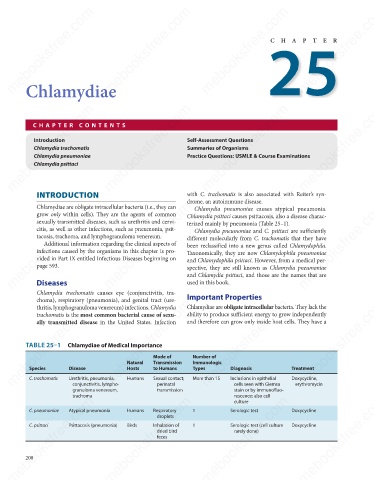
TABLE 25–1 Chlamydiae of Medical Importance
Mode of
Number of
Immunologic
Transmission
Natural
Disease
Species
More than 15
Inclusions in epithelial
Doxycycline,
Humans
Sexual contact;
C. trachomatis
Urethritis, pneumonia,
cells seen with Giemsa
erythromycin
conjunctivitis, lympho-
perinatal
granuloma venereum, Hosts to Humans Types Diagnosis Treatment
transmission
stain or by immunofluo-
rescence; also cell
trachoma
mebooksfree.com
mebooksfree.com mebooksfree.com mebooksfree.com 1 mebooksfree.com Doxycycline mebooksfree.com
culture
Atypical pneumonia
Doxycycline
Respiratory
C. pneumoniae
Serologic test
1
Humans
droplets
C. psittaci
Birds
Inhalation of
Serologic test (cell culture
Psittacosis (pneumonia)
dried bird
rarely done)
feces
208
mebooksfree.com mebooksfree.com mebooksfree.com mebooksfree.com mebooksfree.com mebooksfree.com

