Page 38 - Review of Medical Microbiology and Immunology ( PDFDrive )
P. 38
mebooksfree.com
                                                                                                            mebooksfree.com
                                            mebooksfree.com
 mebooksfree.com
            mebooksfree.com
                                            mebooksfree.com
                                                                            mebooksfree.com
 mebooksfree.com  mebooksfree.com     Important Organisms 1         Less Important Organisms 2  CHAPTER 6  Normal Flora  27                mebooksfree.com
                                                                                                                                           mebooksfree.com
                                                                                                            mebooksfree.com
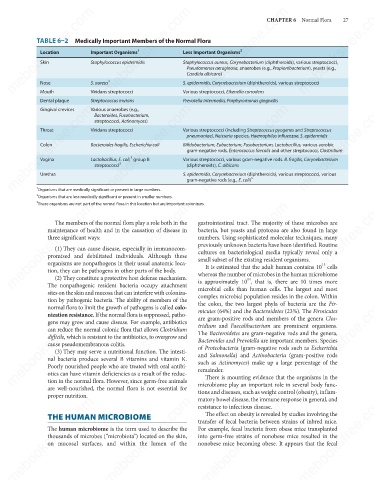
                    TABLE 6–2  Medically Important Members of the Normal Flora
                     Location

                                                                    Staphylococcus aureus, Corynebacterium (diphtheroids), various streptococci,
                     Skin
                                      Staphylococcus epidermidis
                                                                     Pseudomonas aeruginosa, anaerobes (e.g., Propionibacterium), yeasts (e.g.,
                                                                     Candida albicans)
                     Nose
                                      Viridans streptococci
                                                                    Various streptococci, Eikenella corrodens
                     Mouth
                                                                    Prevotella intermedia, Porphyromonas gingivalis
                                      Streptococcus mutans
                     Dental plaque    S. aureus 3                   S. epidermidis, Corynebacterium (diphtheroids), various streptococci
                                                                                                            mebooksfree.com
                                                                            mebooksfree.com
                                            mebooksfree.com
 mebooksfree.com  mebooksfree.com     Viridans streptococci 3       Various streptococci (including Streptococcus pyogenes and Streptococcus    mebooksfree.com
                                                                     
                     Gingival crevices
                                      Various anaerobes (e.g.,
                                       Bacteroides, Fusobacterium,
                                       streptococci, Actinomyces)
                     Throat
                                                                     pneumoniae), Neisseria species, Haemophilus influenzae, S. epidermidis
                                      Bacteroides fragilis, Escherichia coli
                     Colon
                                                                    Bifidobacterium, Eubacterium, Fusobacterium, Lactobacillus, various aerobic
                                                                     gram-negative rods, Enterococcus faecalis and other streptococci, Clostridium
                                                                    Various streptococci, various gram-negative rods. B. fragilis, Corynebacterium
                     Vagina
                                      Lactobacillus, E. coli,  group B
                                               3
                                       streptococci
                                                                     (diphtheroids), C. albicans
                                       
                     Urethra
                                                                                          3
                                                                     gram-negative rods (e.g., E. coli)
                    2 1 3 Organisms that are medically significant or present in large numbers.  S. epidermidis, Corynebacterium (diphtheroids), various streptococci, various
                     Organisms that are less medically significant or present in smaller numbers.
                                                                            mebooksfree.com
 mebooksfree.com  mebooksfree.com           mebooksfree.com              gastrointestinal tract. The majority of these microbes are        mebooksfree.com
                                                                                                            mebooksfree.com
                     These organisms are not part of the normal flora in this location but are important colonizers.
                          The members of the normal flora play a role both in the
                        maintenance of health and in the causation of disease in
                                                                         bacteria, but yeasts and protozoa are also found in large
                                                                         numbers. Using sophisticated molecular techniques, many
                        three significant ways:
                                                                         previously unknown bacteria have been identified. Routine
                          (1) They can cause disease, especially in immunocom-
                                                                         cultures on bacteriological media typically reveal only a
                        promised and debilitated individuals. Although these
                                                                         small subset of the existing resident organisms.
                        organisms are nonpathogens in their usual anatomic loca-
                                                                                                                 13
                                                                           It is estimated that the adult human contains 10  cells
                        tion, they can be pathogens in other parts of the body.
                          (2) They constitute a protective host defense mechanism.
                                                                                         14
                                                                         is approximately 10 , that is, there are 10 times more
                        The  nonpathogenic  resident  bacteria  occupy  attachment
                                                                         microbial cells than human cells. The largest and most
                        sites on the skin and mucosa that can interfere with coloniza-  whereas the number of microbes in the human microbiome
                                                                         complex microbial population resides in the colon. Within
                        tion by pathogenic bacteria. The ability of members of the
                                                                            mebooksfree.com
                                                                                                            mebooksfree.com
 mebooksfree.com  mebooksfree.com           mebooksfree.com              are gram-positive rods and members of the genera Clos-            mebooksfree.com
                                                                         the colon, the two largest phyla of bacteria are the  Fir-
                        normal flora to limit the growth of pathogens is called colo-
                                                                         micutes (64%) and the Bacteroidetes (23%). The Firmicutes
                        nization resistance. If the normal flora is suppressed, patho-
                        gens may grow and cause disease. For example, antibiotics
                                                                         tridium and  Faecalibacterium are prominent organisms.
                        can reduce the normal colonic flora that allows Clostridium
                                                                         The Bacteroidetes are gram-negative rods and the genera,
                        difficile, which is resistant to the antibiotics, to overgrow and
                                                                         Bacteroides and Prevotella are important members. Species
                        cause pseudomembranous colitis.
                                                                         of Proteobacteria (gram-negative rods such as Escherichia
                          (3) They may serve a nutritional function. The intesti-
                                                                         and  Salmonella)  and  Actinobacteria  (gram-positive  rods
                        nal bacteria produce several B vitamins and vitamin K.
                                                                         such as  Actinomyces) make up a large percentage of the
                        Poorly nourished people who are treated with oral antibi-
                                                                         remainder.
                        otics can have vitamin deficiencies as a result of the reduc-
                                                                           There is mounting evidence that the organisms in the
                        tion in the normal flora. However, since germ-free animals
                                                                         microbiome play an important role in several body func-
                        are well-nourished, the normal flora is not essential for
                                                                         tions and diseases, such as weight control (obesity), inflam-
                        proper nutrition.
                                                                                                            mebooksfree.com
 mebooksfree.com  mebooksfree.com           mebooksfree.com              matory bowel disease, the immune response in general, and         mebooksfree.com
                                                                            mebooksfree.com
                                                                         resistance to infectious disease.
                                                                           The effect on obesity is revealed by studies involving the
                        THE HUMAN MICROBIOME
                                                                         transfer of fecal bacteria between strains of inbred mice.
                                                                         For example, fecal bacteria from obese mice transplanted
                        The human microbiome is the term used to describe the
                        thousands of microbes (“microbiota”) located on the skin,
                                                                         into germ-free strains of nonobese mice resulted in the
                        on mucosal surfaces, and within the lumen of the
                                                                         nonobese mice becoming obese. It appears that the fecal
 mebooksfree.com  mebooksfree.com           mebooksfree.com                 mebooksfree.com                 mebooksfree.com                mebooksfree.com
   33   34   35   36   37   38   39   40   41   42   43