


Page 255 - Textbook of Pathology, 6th Edition
P. 255
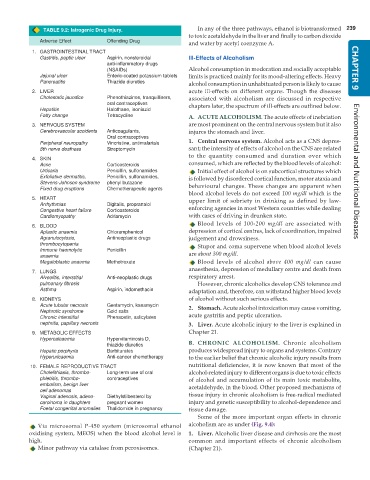
TABLE 9.2: Iatrogenic Drug Injury. In any of the three pathways, ethanol is biotransformed 239
to toxic acetaldehyde in the liver and finally to carbon dioxide
Adverse Effect Offending Drug
and water by acetyl coenzyme A.
1. GASTROINTESTINAL TRACT
Gastritis, peptic ulcer Aspirin, nonsteroidal Ill-Effects of Alcoholism
anti-inflammatory drugs
(NSAIDs) Alcohol consumption in moderation and socially acceptable CHAPTER 9
Jejunal ulcer Enteric-coated potassium tablets limits is practiced mainly for its mood-altering effects. Heavy
Pancreatitis Thiazide diuretics alcohol consumption in unhabituated person is likely to cause
2. LIVER acute ill-effects on different organs. Though the diseases
Cholestatic jaundice Phenothiazines, tranquillisers, associated with alcoholism are discussed in respective
oral contraceptives chapters later, the spectrum of ill-effects are outlined below.
Hepatitis Halothane, isoniazid
Fatty change Tetracycline A. ACUTE ALCOHOLISM. The acute effects of inebriation
3. NERVOUS SYSTEM are most prominent on the central nervous system but it also
Cerebrovascular accidents Anticoagulants, injures the stomach and liver.
Oral contraceptives
Peripheral neuropathy Vincristine, antimalarials 1. Central nervous system. Alcohol acts as a CNS depres-
8th nerve deafness Streptomycin sant; the intensity of effects of alcohol on the CNS are related
to the quantity consumed and duration over which
4. SKIN
Acne Corticosteroids consumed, which are reflected by the blood levels of alcohol:
Urticaria Penicillin, sulfonamides Initial effect of alcohol is on subcortical structures which Environmental and Nutritional Diseases
Exfoliative dermatitis, Penicillin, sulfonamides, is followed by disordered cortical function, motor ataxia and
Stevens-Johnson syndrome phenyl butazone behavioural changes. These changes are apparent when
Fixed drug eruptions Chemotherapeutic agents
blood alcohol levels do not exceed 100 mg/dl which is the
5. HEART upper limit of sobriety in drinking as defined by law-
Arrhythmias Digitalis, propranalol enforcing agencies in most Western countries while dealing
Congestive heart failure Corticosteroids
Cardiomyopathy Adriamycin with cases of driving in drunken state.
Blood levels of 100-200 mg/dl are associated with
6. BLOOD
Aplastic anaemia Chloramphenicol depression of cortical centres, lack of coordination, impaired
Agranulocytosis, Antineoplastic drugs judgement and drowsiness.
thrombocytopenia Stupor and coma supervene when blood alcohol levels
Immune haemolytic Penicillin
anaemia are about 300 mg/dl.
Megaloblastic anaemia Methotrexate Blood levels of alcohol above 400 mg/dl can cause
anaesthesia, depression of medullary centre and death from
7. LUNGS
Alveolitis, interstitial Anti-neoplastic drugs respiratory arrest.
pulmonary fibrosis However, chronic alcoholics develop CNS tolerance and
Asthma Aspirin, indomethacin adaptation and, therefore, can withstand higher blood levels
8. KIDNEYS of alcohol without such serious effects.
Acute tubular necrosis Gentamycin, kanamycin 2. Stomach. Acute alcohol intoxication may cause vomiting,
Nephrotic syndrome Gold salts acute gastritis and peptic ulceration.
Chronic interstitial Phenacetin, salicylates
nephritis, papillary necrosis 3. Liver. Acute alcoholic injury to the liver is explained in
9. METABOLIC EFFECTS Chapter 21.
Hypercalcaemia Hypervitaminosis D, B. CHRONIC ALCOHOLISM. Chronic alcoholism
thiazide diuretics
Hepatic porphyria Barbiturates produces widespread injury to organs and systems. Contrary
Hyperuricaemia Anti-cancer chemotherapy to the earlier belief that chronic alcoholic injury results from
nutritional deficiencies, it is now known that most of the
10. FEMALE REPRODUCTIVE TRACT
Cholelithiasis, thrombo- Long-term use of oral alcohol-related injury to different organs is due to toxic effects
phlebitis, thrombo- contraceptives of alcohol and accumulation of its main toxic metabolite,
embolism, benign liver acetaldehyde, in the blood. Other proposed mechanisms of
cell adenomas tissue injury in chronic alcoholism is free-radical mediated
Vaginal adenosis, adeno- Diethylstilbesterol by
carcinoma in daughters pregnant women injury and genetic susceptibility to alcohol-dependence and
Foetal congenital anomalies Thalidomide in pregnancy tissue damage.
Some of the more important organ effects in chronic
Via microsomal P-450 system (microsomal ethanol alcoholism are as under (Fig. 9.4):
oxidising system, MEOS) when the blood alcohol level is 1. Liver. Alcoholic liver disease and cirrhosis are the most
high. common and important effects of chronic alcoholism
Minor pathway via catalase from peroxisomes. (Chapter 21).

