


Page 202 - 9780077418427.pdf
P. 202
/Users/user-f465/Desktop
          tiL12214_ch07_177-202.indd Page 179  9/1/10  9:43 PM user-f465
          tiL12214_ch07_177-202.indd Page 179  9/1/10  9:43 PM user-f465                                                /Users/user-f465/Desktop


                                                                                  10 4
                                                                                         Long-wave
                                                                                  10 5   radio waves
                                                                                  10 6   Short-wave
                                                                                  10 7   radio waves
                                                                                  10 8   Microwaves
                                                                                  10 9   (TV, radar, etc.)
                                                                                  10 10  “ Millimeter
                                                                                Frequency, Hz  10 12   waves”   Red       4.3 x 10 14
                                                                                    11
                                                                                  10
                                                                                  10
                                                                                         Infrared light
                                                                                    13
                                                                                                                Orange
                                                                                  10
                                                                                                                Green
                                                                                  10 14  VISIBLE LIGHT          Yellow
                                                                                    15
                                                                                  10 16  Ultraviolet light      Blue
                                                                                  10 17                         Violet    7.5 x 10 14
                                                                                  10 18  X rays
                                                                                  10 19
                                                                                  10 20  Gamma rays
                                                                                  10 21
                                                                               FIGURE 7.3  The electromagnetic spectrum. All electromag-
                                                                               netic waves have the same fundamental character and the same
                                                                               speed in a vacuum, but many aspects of their behavior depend on
                                                                               their frequency.


                                                                                  At room temperature the radiation given off from an object
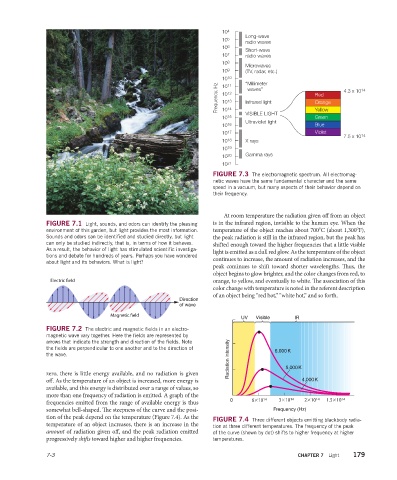
                       FIGURE 7.1  Light, sounds, and odors can identify the pleasing   is in the infrared region, invisible to the human eye. When the
                        environment of this garden, but light provides the most information.   temperature of the object reaches about 700°C (about 1,300°F),
                        Sounds and odors can be identified and studied directly, but light   the peak radiation is still in the infrared region, but the peak has
                        can only be studied indirectly, that is, in terms of how it behaves.   shifted enough toward the higher frequencies that a little visible

                        As a result, the behavior of light has stimulated scientific investiga-  light is emitted as a dull red glow. As the temperature of the object
                        tions and debate for hundreds of years. Perhaps you have wondered
                                                                               continues to increase, the amount of radiation increases, and the
                        about light and its behaviors. What is light?

                                                                               peak continues to shift toward shorter wavelengths. Th us,  the
                                                                               object begins to glow brighter, and the color changes from red, to

                                                                               orange, to yellow, and eventually to white. The association of this
                                                                               color change with temperature is noted in the referent description
                                                                               of an object being “red hot,” “white hot,” and so forth.
                                                                    Direction
                                                                    of wave
                                                                                        UV   Visible      IR
                       FIGURE 7.2  The electric and magnetic fields in an electro-
                        magnetic wave vary together. Here the fields are represented by
                        arrows that indicate the strength and direction of the fields. Note
                                                                                    Radiation intensity
                        the fields are perpendicular to one another and to the direction of        6,000K
                        the wave.

                       zero, there is little energy available, and no radiation is given               5,000K

                       off. As the temperature of an object is increased, more energy is                    4,000K
                       available, and this energy is distributed over a range of values, so
                       more than one frequency of radiation is emitted. A graph of the
                       frequencies emitted from the range of available energy is thus   0
                       somewhat bell-shaped. The steepness of the curve and the posi-              Frequency (Hz)

                       tion of the peak depend on the temperature (Figure 7.4). As the
                                                                               FIGURE 7.4  Three different objects emitting blackbody radia-
                       temperature of an object increases, there is an increase in the   tion at three different temperatures. The frequency of the peak

                       amount of radiation given off, and the peak  radiation emitted   of the curve (shown by dot) shifts to higher frequency at higher
                       progressively shift s toward higher and higher frequencies.  temperatures.
                        7-3                                                                                CHAPTER 7  Light   179

