


Page 622 - 9780077418427.pdf
P. 622
/Volume/201/MHDQ233/tat78194_disk1of1/0073378194/tat78194_pagefiles
          tiL12214_ch24_597-622.indd Page 599  9/23/10  11:08 AM user-f465
          tiL12214_ch24_597-622.indd Page 599  9/23/10  11:08 AM user-f465             /Volume/201/MHDQ233/tat78194_disk1of1/0073378194/tat78194_pagefile


                                                                                       Ocean water (salty)
                                                                                       97.6%


                                                                                                          Freshwater
                                                                                                          2.4%


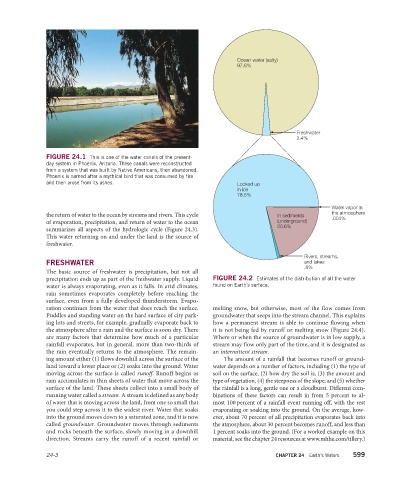
                       FIGURE 24.1  This is one of the water canals of the present-
                       day system in Phoenix, Arizona. These canals were reconstructed
                       from a system that was built by Native Americans, then abandoned.
                       Phoenix is named after a mythical bird that was consumed by fire
                       and then arose from its ashes.                                  Locked up
                                                                                       in ice
                                                                                       78.5%

                                                                                                                      Water vapor in
                       the return of water to the ocean by streams and rivers. This cycle           In sediments      the atmosphere
                                                                                                                      .004%
                       of evaporation, precipitation, and return of water to the ocean              (underground)
                                                                                                    20.6%
                       summarizes all aspects of the hydrologic cycle ( Figure 24.3).
                       This water returning on and under the land is the source of
                       freshwater.

                                                                                                             Rivers, streams,
                       FRESHWATER                                                                            and lakes
                                                                                                             .8%
                       The basic source of freshwater is precipitation, but not all
                       precipitation ends up as part of the freshwater supply. Liquid   FIGURE 24.2  Estimates of the distribution of all the water
                       water is always evaporating, even as it falls. In arid climates,   found on Earth’s surface.
                       rain sometimes evaporates completely before reaching the
                       surface, even from a fully developed thunderstorm. Evapo-
                       ration continues from the water that does reach the surface.   melting snow, but otherwise, most of the flow comes from
                       Puddles and standing water on the hard surface of city park-  groundwater that seeps into the stream channel. This explains
                       ing lots and streets, for example, gradually evaporate back to   how a permanent stream is able to continue flowing when
                       the atmosphere after a rain and the surface is soon dry. There   it is not being fed by runoff or melting snow (Figure 24.4).
                       are many factors that determine how much of a particular   Where or when the source of groundwater is in low supply, a
                       rainfall evaporates, but in general, more than two-thirds of   stream may flow only part of the time, and it is designated as
                       the rain eventually returns to the atmosphere. The remain-  an intermittent stream.
                       ing amount either (1) flows downhill across the surface of the   The amount of a rainfall that becomes runoff or ground-
                       land toward a lower place or (2) soaks into the ground. Water   water depends on a number of factors, including (1) the type of
                       moving across the surface is called runoff. Runoff begins as   soil on the surface, (2) how dry the soil is, (3) the amount and
                       rain accumulates in thin sheets of water that move across the   type of vegetation, (4) the steepness of the slope, and (5) whether
                       surface of the land. These sheets collect into a small body of   the rainfall is a long, gentle one or a cloudburst. Different com-
                       running water called a stream. A stream is defined as any body   binations of these factors can result in from 5 percent to al-
                       of water that is moving across the land, from one so small that   most 100 percent of a  rainfall event running off, with the rest
                       you could step across it to the widest river. Water that soaks   evaporating or soaking into the ground. On the average, how-
                       into the ground moves down to a saturated zone, and it is now   ever, about 70 percent of all precipitation evaporates back into
                       called groundwater. Groundwater moves through sediments   the atmosphere, about 30 percent  becomes runoff, and less than
                       and rocks beneath the surface, slowly moving in a downhill   1 percent soaks into the ground. (For a worked example on this
                       direction. Streams carry the runoff of a recent rainfall or   material, see the chapter 24 resources at www.mhhe.com/tillery.)

                       24-3                                                                        CHAPTER 24  Earth’s Waters   599

