


Page 71 - alligood 8th edition_Neat
P. 71
52 UNIT I Evolution of Nursing Theories
Lentz, & Barnard, 2012). Barnard’s work is a theory of
nursing.
Environment Evelyn Adam
Resources
Inanimate Conceptual Model for Nursing
Animate
Evelyn Adam is a Canadian nurse who started publish-
Caregiver ing in the mid-1970s. Her work focuses on the devel-
Physical opment of models and theories on the concept of nurs-
health
Mental health ing (1983, 1987, 1999). She uses a model that she
Coping Inter- learned from Dorothy Johnson. In her book, To Be a
Educational action
level Nurse (1980), she applies Virginia Henderson’s defini-
tion of nursing to Johnson’s model and identifies the
Child assumptions, beliefs, and values, as well as major units.
Temperament
Regulation In the latter category, Adam includes the goal of the
profession, the beneficiary of the professional service,
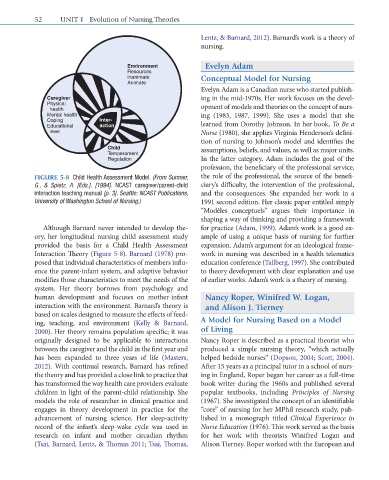
FIGURE 5-8 ChildHealthAssessmentModel.(From Sumner, the role of the professional, the source of the benefi-
G., & Spietz, A. [Eds.]. [1994]. NCAST caregiver/parent-child ciary’s difficulty, the intervention of the professional,
interactionteachingmanual[p. 3]. Seattle: NCAST Publications, and the consequences. She expanded her work in a
University of Washington School of Nursing.) 1991 second edition. Her classic paper entitled simply
“Modèles conceptuels” argues their importance in
shaping a way of thinking and providing a framework
Although Barnard never intended to develop the- for practice (Adam, 1999). Adam’s work is a good ex-
ory, her longitudinal nursing child assessment study ample of using a unique basis of nursing for further
provided the basis for a Child Health Assessment expansion. Adam’s argument for an ideological frame-
Interaction Theory (Figure 5-8). Barnard (1978) pro- work in nursing was described in a health telematics
posed that individual characteristics of members influ- education conference (Tallberg, 1997). She contributed
ence the parent-infant system, and adaptive behavior to theory development with clear explanation and use
modifies those characteristics to meet the needs of the of earlier works. Adam’s work is a theory of nursing.
system. Her theory borrows from psychology and
human development and focuses on mother-infant Nancy Roper, Winifred W. Logan,
interaction with the environment. Barnard’s theory is and Alison J. Tierney
based on scales designed to measure the effects of feed-
ing, teaching, and environment (Kelly & Barnard, A Model for Nursing Based on a Model
2000). Her theory remains population specific; it was of Living
originally designed to be applicable to interactions Nancy Roper is described as a practical theorist who
between the caregiver and the child in the first year and produced a simple nursing theory, “which actually
has been expanded to three years of life (Masters, helped bedside nurses” (Dopson, 2004; Scott, 2004).
2012). With continual research, Barnard has refined After 15 years as a principal tutor in a school of nurs-
the theory and has provided a close link to practice that ing in England, Roper began her career as a full-time
has transformed the way health care providers evaluate book writer during the 1960s and published several
children in light of the parent-child relationship. She popular textbooks, including Principles of Nursing
models the role of researcher in clinical practice and (1967). She investigated the concept of an identifiable
engages in theory development in practice for the “core” of nursing for her MPhil research study, pub-
advancement of nursing science. Her sleep-activity lished in a monograph titled Clinical Experience in
record of the infant’s sleep-wake cycle was used in Nurse Education (1976). This work served as the basis
research on infant and mother circadian rhythm for her work with theorists Winifred Logan and
(Tsai, Barnard, Lentz, & Thomas 2011; Tsai, Thomas, Alison Tierney. Roper worked with the European and

