


Page 28 - Drug Discovery and Development: Prospects and Challenges
P. 28
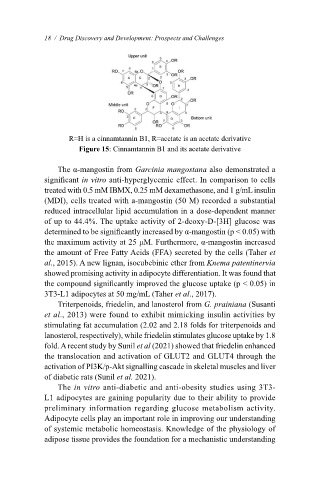
Figure 14: Mature adipocyte stained with oil red O
           The effects of several phytochemical compounds have been studied on 3T3-L1 adipocytes,
      such as cinnamtannin B1, which is a type of proanthocyanidin from Cinnamomum zeylanicum (Figure
      15). Cinnamtannin B1 showed an improved glucose uptake in 3T3-L1 preadipocytes. In our study, we
      have concluded that the sweet agent cinnamtannin B1 in cinnamon mimics insulin by attaching to the
      β-subunit of the receptor in the cell membrane, followed by autophosphorylating the tyrosine residues
      of the β-subunit. Subsequently, the phosphoinositide 3-kinases (PI3K), glucose transporter 4 (GLUT4)
      translocation, and glucose absorption were activated. Based on the response of the cinnamtannin B1,
      it was concluded that  the phosphorylation of  the  insulin receptor    (IR  )β-subunit is an important
      molecular target for the treatment of diabetes (Taher et al., 2004, 2006, 2007).
           Fascinatingly, our finding had attracted the attention of the national newspaper at that time with
      an article “Sweet hope for diabetics” (Abdullah, 2006). The study was supported by a clinical trial on
      aqueous cinnamon extract in which 120 mg (low dose) and 360 mg (high dose) mg was given to
      patients with type 2 diabetes daily for three months. The results showed that the HbA1c and fasting
      plasma glucose levels significantly  decreased  (reduction of 1.62 mmol/L vs. 0.22 mmol/L in the
      placebo group) (Lu et al., 2012). Based on a systematic review and meta-analysis studies involving
      1025 participants, the supplementation of cinnamon was found to decrease serum triglycerides, total
             18  /  Drug Discovery and Development: Prospects and Challenges
      cholesterol, and low-density lipoprotein cholesterol (Jamali et al., 2020).

                    R=H is a cinnamtannin B1, R=acetate is an acetate derivative
                      Figure 15: Cinnamtannin B1 and its acetate derivative
                                                                           22
                 The α-mangostin from Garcinia mangostana also demonstrated a
             significant in vitro anti-hyperglycemic effect. In comparison to cells
             treated with 0.5 mM IBMX, 0.25 mM dexamethasone, and 1 g/mL insulin
             (MDI), cells treated with a-mangostin (50 M) recorded a substantial
             reduced intracellular lipid accumulation in a dose-dependent manner
             of up to 44.4%. The uptake activity of 2-deoxy-D-[3H] glucose was
             determined to be significantly increased by α-mangostin (p < 0.05) with
             the maximum activity at 25 μM. Furthermore, α-mangostin increased
             the amount of Free Fatty Acids (FFA) secreted by the cells (Taher et
             al., 2015). A new lignan, isocubebinic ether from Knema patentinervia
             showed promising activity in adipocyte differentiation. It was found that
             the compound significantly improved the glucose uptake (p < 0.05) in
             3T3-L1 adipocytes at 50 mg/mL (Taher et al., 2017).
                 Triterpenoids, friedelin, and lanosterol from G. prainiana (Susanti
             et al., 2013) were found to exhibit mimicking insulin activities by
             stimulating fat accumulation (2.02 and 2.18 folds for triterpenoids and
             lanosterol, respectively), while friedelin stimulates glucose uptake by 1.8
             fold. A recent study by Sunil et al (2021) showed that friedelin enhanced
             the translocation and activation of GLUT2 and GLUT4 through the
             activation of PI3K/p-Akt signalling cascade in skeletal muscles and liver
             of diabetic rats (Sunil et al. 2021).
                 The in vitro anti-diabetic and anti-obesity studies using 3T3-
             L1 adipocytes are gaining popularity due to their ability to provide
             preliminary information regarding glucose metabolism activity.
             Adipocyte cells play an important role in improving our understanding
             of systemic metabolic homeostasis. Knowledge of the physiology of
             adipose tissue provides the foundation for a mechanistic understanding

