


Page 57 - Human Environment Interface (4)
P. 57
Epigenetics of the Placenta

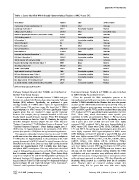
Table 1. Genes Identified Within Broadly Hypomethylated Regions of MBC Versus CVS.

Gene Names                                              Symbol        Type                     Active Location

Chromosome 18 open reading frame 18                     C18ORF18      Other                    Unknown
Caudal type homeobox 2                                  CDX2*         Transcription regulator  Nucleus
Collagen, type IV, alpha 2                              COL4A2        Other                    Extracellular Space
Deleted in lymphocytic leukemia 2 (non-protein coding)  DLEU2         Other                    Unknown
GATA binding protein 6                                  GATA6*        Transcription regulator  Nucleus
GS homeobox 1                                           GSX1          Transcription regulator  Nucleus
Neurocanthocytosis                                      NA            Other                    Unknown
Neurocanthocytosis                                      NA            Other                    Unknown
One cut homeobox 2                                      ONECUT2*      Transcription regulator  Nucleus
Protocadherin 17                                        PCDH17        Other                    Unknown
Pancreatic and duodenal homeobox 1                      PDX1          Transcription regulator  Nucleus
POU class 4 homeobox 1                                  POU4F1        Transcription regulator  Nucleus
RAB20, member RAS oncogene family                       RAB20         Enzyme                   Cytoplasm
Receptor-interacting serine-threonine kinase 4          RIPK4         Kinase                   Nucleus
Ring finger protein 219                                 RNF219        Other                    Unknown
Sal-like 3 (Drosophila)                                 SALL3*        Other                    Nucleus
Single-minded homolog 2 (Drosophila)                    SIM2          Transcription regulator  Nucleus
SRY (sex determining region Y)-box 1                    SOX1*         Transcription regulator  Nucleus
SRY (sex determining region Y)-box 21                   SOX21         Transcription regulator  Nucleus
Zinc finger protein 161 homolog (mouse)                 ZFP161        Other                    Nucleus
Zic family member 2 (odd-paired homolog, Drosophila)    ZIC2*         Transcription regulator  Nucleus

doi:10.1371/journal.pone.0014723.t001

Pathway Analysis Reveals that T-DMRs are Enriched for                 Functional Groups Enriched in T-DMRs are also Enriched

Distinct Functional Groups                                            in Differentially Transcribed Genes
   To further explore the relationship between T-DMRs and gene           Given the potential for DNA methylation patterns to be

function we analyzed the Illumina data using Ingenuity Pathways       intimately associated with gene expression, we sought to determine
Analysis (IPA) software. Specifically, we performed a gene            whether T-DMRs identified in the Illumina data were also present
ontology analysis of T-DMRs where CpGs are hypomethylated             as tissue specific differentially transcribed genes (TDTs). Thus, we
in MBC versus CVS and vice versa. We found that T-DMRs                analyzed Affymetrix gene expression microarray data to identify
hypomethylated in MBC versus CVS were significantly biased            CVS- and MBC-specific TDTs and then analyzed these data using
towards genes that are involved in tissue specific leukocyte          IPA. A sub-set of TDTs was validated using quantitative real time
function. For example, the top networks identified in IPA were        PCR. These data, which demonstrate tissue specific gene
heavily biased towards immune function. These IPA-designated          expression in CVS, are presented in Figure 7. We found very
enriched networks are listed in Table S1. Similarly, the top IPA-     little overlap between T-DMRs and TDTs. Specifically, we found
identified biological functions (Figure 6A and Table S2) were         only 6 genes (of a total of 207) that were both more highly
‘‘Antigen Presentation’’, ‘‘Cell Mediated Immune Response’’ and       expressed AND contained CpGs that were hypomethylated in
‘‘Humoral Immune Response’’. These findings suggest that T-           MBC versus CVS. These were CD48, CD52, CMTM2, CST7,
DMRs that are hypomethylated in the promoters of the MBC              LYZ and NFE2. No overlap was found between genes that were
genome (compared to CVS) have strong functional significance.         more highly expressed AND hypermethylated in MBC versus
                                                                      CVS. Similarly, we found 14 genes (of a total of 643) that were
   This apparent relationship between tissue function and T-DMR       both more highly expressed AND hypomethylated in CVS versus
profile was not so clear when we performed the same analysis on       MBC. These were ANGPT2, CDH1, COL3A1, CRIM1, CSH2,
T-DMRs that are hypomethylated in the promoters of the CVS            ENPEP, GCM1, H19, INSL4, KRT8, LGALS14, PGM3,
genome (compared to MBC). It should be noted, however, that we        SLC16A4 and STS. No overlap was found between genes that
identified more than three times as many high scoring networks        were more highly expressed AND hypermethylated in CVS versus
amongst the hypomethylated CVS T-DMRs than their hypo-                MBC. The fact that such minimal overlap was seen between data
methylated MBC counterparts. This may reflect both the broad          sets was not the result of minimal overlap between the DNA
range of biological functions performed in/by CVS and the fact        methylation and gene expression array platforms, which contain
that it contains multiple distinct cell types. These factors likely   11,337 common genes. It may, however, be a consequence of our
conspire to complicate the task of identifying distinct pathways and  rather stringent approach to selecting TDTs (see Materials and
biological functions. IPA-designated enriched networks for these      Methods), which resulted in a relatively short list of candidate
data are listed in Table S3. High scoring IPA-designated biological   genes. However, when we compared pathway analysis data
functions (Figure 6B and Table S4) include ‘‘Gene Expression’’,       obtained using IPA for genes that were both more highly
‘‘Cancer’’ and Organismal Development’’.

PLoS ONE | www.plosone.org                                            9 February 2011 | Volume 6 | Issue 2 | e14723

