


Page 80 - Basic Principles of Textile Coloration
P. 80
HO OH + OCN                                 CH3      REFERENCES 69
     Polyether or polyester                       C
                                                  CH3    NCO
                                                       Diisocyanate

OCN    CH3       NHCOO               OCONH                        CH3    NCO
       C                                                          C
       CH3                                                        CH3

                                                       Urethane link

                                  NH2CH2CH2NH2

NHCOO       CH3                   U                       Urethane link
OCONH       C
            CH3                                   CH3
                                                  C NHCOO
                                                  CH3

U NHCONHCH2CH2NHCONH
                     (Urea link)

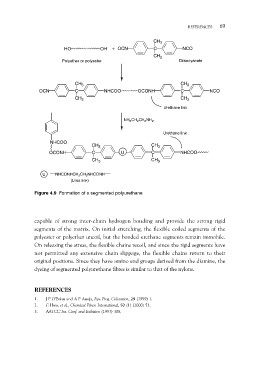
Figure 4.9 Formation of a segmented polyurethane

capable of strong inter-chain hydrogen bonding and provide the strong rigid
segments of the matrix. On initial stretching, the flexible coiled segments of the
polyester or polyether uncoil, but the bonded urethane segments remain immobile.
On releasing the stress, the flexible chains recoil, and since the rigid segments have
not permitted any extensive chain slippage, the flexible chains return to their
original positions. Since they have amino end groups derived from the diamine, the
dyeing of segmented polyurethane fibres is similar to that of the nylons.

REFERENCES

1. J P O’Brian and A P Aneja, Rev. Prog. Coloration, 29 (1999) 1.
2. C Hwo, et al., Chemical Fibers International, 50 (1) (2000) 53.
3. AATCC Int. Conf. and Exibition (1993) 308.

