


Page 332 - Clinical Application of Mechanical Ventilation
P. 332
298    Chapter 10


                                   A                                            B
                                                                                                   5 cm


                                                                                              Constant  Current
                                                                                              Current   Sensing


                                                                                                                © Cengage Learning 2014
                                                                                                   5 cm


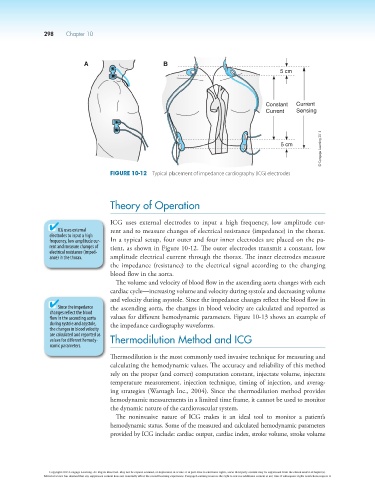
                                            Figure 10-12  Typical placement of impedance cardiography (ICG) electrodes


                                            Theory of Operation


                                            ICG  uses  external  electrodes  to  input  a  high  frequency,  low  amplitude  cur-
                          ICG uses external   rent and to measure changes of electrical resistance (impedance) in the thorax.
                        electrodes to input a high
                        frequency, low amplitude cur-  In a typical setup, four outer and four inner electrodes are placed on the pa-
                        rent and measure changes of   tient, as shown in Figure 10-12. The outer electrodes transmit a constant, low
                        electrical resistance (imped-
                        ance) in the thorax.  amplitude electrical current through the thorax. The inner electrodes measure
                                            the  impedance  (resistance)  to  the  electrical  signal  according  to  the  changing
                                            blood flow in the aorta.
                                             The volume and velocity of blood flow in the ascending aorta changes with each
                                            cardiac cycle—increasing volume and velocity during systole and decreasing volume
                                            and velocity during asystole. Since the impedance changes reflect the blood flow in
                           Since the impedance   the ascending aorta, the changes in blood velocity are calculated and reported as
                        changes reflect the blood
                        flow in the ascending aorta   values for different hemodynamic parameters. Figure 10-13 shows an example of
                        during systole and asystole,   the impedance cardiography waveforms.
                        the changes in blood velocity
                        are calculated and reported as
                        values for different hemody-  Thermodilution Method and ICG
                        namic parameters.
                                            Thermodilution is the most commonly used invasive technique for measuring and
                                            calculating the hemodynamic values. The accuracy and reliability of this method
                                            rely on the proper (and correct) computation constant, injectate volume, injectate
                                            temperature measurement, injection technique, timing of injection, and averag-
                                            ing strategies (Wantagh Inc., 2004). Since the thermodilution method provides
                                            hemodynamic measurements in a limited time frame, it cannot be used to monitor
                                            the dynamic nature of the cardiovascular system.
                                             The  noninvasive  nature  of  ICG  makes  it  an  ideal  tool  to  monitor  a  patient’s
                                            hemodynamic status. Some of the measured and calculated hemodynamic parameters
                                            provided by ICG include: cardiac output, cardiac index, stroke volume, stroke volume


                        Copyright 2013 Cengage Learning. All Rights Reserved. May not be copied, scanned, or duplicated, in whole or in part. Due to electronic rights, some third party content may be suppressed from the eBook and/or eChapter(s).
                      Editorial review has deemed that any suppressed content does not materially affect the overall learning experience. Cengage Learning reserves the right to remove additional content at any time if subsequent rights restrictions require it.

