


Page 1690 - Hematology_ Basic Principles and Practice ( PDFDrive )
P. 1690
1508   Part VIII  Comprehensive Care of Patients with Hematologic Malignancies


                                                   Comprehensive treatment
                                                      summary prepared
                                                     potential health risks
                                                         identified


                                                     Pre-clinic conference
                                                    screening and follow-up
                                                   recommendations prepared
                                                    by multidisciplinary team


                             Clinical interventions    Multidisciplinary      Patient education
                                as indicated          clinical evaluation       as indicated


                                                      Visit summary with
                              Specialty referrals    diagnostic results and      Diagnostic
                                as indicated          recommendations           evaluations
                                                     prepared and mailed        as indicated
                                                     to patient and primary
                                                      healthcare provider

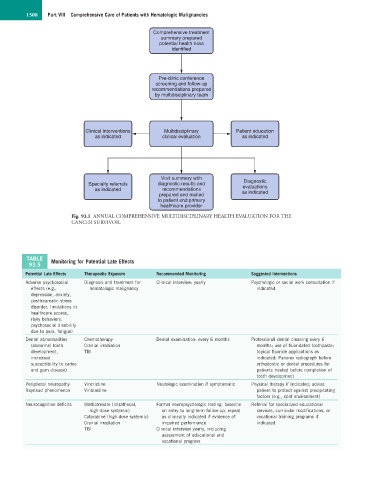
                        Fig. 93.1  ANNUAL COMPREHENSIVE MULTIDISCIPLINARY HEALTH EVALUATION FOR THE
                        CANCER SURVIVOR.


          TABLE   Monitoring for Potential Late Effects
          93.5
         Potential Late Effects  Therapeutic Exposure  Recommended Monitoring      Suggested Interventions
         Adverse psychosocial   Diagnosis and treatment for   Clinical interview: yearly  Psychologic or social work consultation if
           effects (e.g.,     hematologic malignancy                                 indicated
           depression, anxiety,
           posttraumatic stress
           disorder, limitations in
           healthcare access,
           risky behaviors,
           psychosocial disability
           due to pain, fatigue)
         Dental abnormalities   Chemotherapy        Dental examination: every 6 months  Professional dental cleaning every 6
           (abnormal tooth   Cranial irradiation                                     months; use of fluoridated toothpaste;
           development,      TBI                                                     topical fluoride applications as
           increased                                                                 indicated; Panorex radiograph before
           susceptibility to caries                                                  orthodontic or dental procedures for
           and gum disease)                                                          patients treated before completion of
                                                                                     tooth development
         Peripheral neuropathy  Vincristine         Neurologic examination if symptomatic  Physical therapy if indicated; advise
         Raynaud phenomenon  Vinblastine                                             patient to protect against precipitating
                                                                                     factors (e.g., cold environment)
         Neurocognitive deficits  Methotrexate (intrathecal,   Formal neuropsychologic testing: baseline   Referral for specialized educational
                              high-dose systemic)     on entry to long-term follow-up; repeat   services, curricular modifications, or
                             Cytarabine (high-dose systemic)  as clinically indicated if evidence of   vocational training programs if
                             Cranial irradiation      impaired performance           indicated
                             TBI                    Clinical interview yearly, including
                                                      assessment of educational and
                                                      vocational progress

