


Page 1776 - Hematology_ Basic Principles and Practice ( PDFDrive )
P. 1776
1580   Part IX  Cell-Based Therapies


                                   NK product                 Host                Target

                                                          Immune system
                                                                 Tonsils
                                                                 Lymphatic vessels
                                                                 Thymus
                                                                  Lymph nodes
                                                                  Spleen
                                                                   Bone marrow

                            Adult NK Cells           Lympho/Myelo Depletion  Tumor/ Transformed
                            Autologous               Cytokine Sinks          Cells
                            Allogeneic/Haploidentical  Expansion Space       Infected Cells
                            UCB/Placenta/ES/iPS
                            Stem Cells
                            Cell Lines (NK−92)                               ↑ Activating Ligands
                            Processing               T Regulatory Cell Depletion  ↓ Inhibitory Ligands
                               −
                            CD3  alone               Fludarabine/Cytoxan
                               −
                            CD3 /CD56 +              TBI                     TBI/Radiation
                               −
                            CD3 /CD19 −              Cyclosporine            Chemotherapy
                                                     Steroids                Bortezomib, HDAC−I
                                                     anti−CD25               Antibody Targeting
                                                                             (ADCC)
                            Ex Vivo Activation       DC Activation
                            None                     TLR agonists            In Vivo Manipulation
                            IL−2 or IL−15 or IL−12/18  DC Vaccines           IL−12/IL−15
                            Tumor lysates                                    anti−KIR, anti−NKG2A
                            Lymphoid or K562 feeders
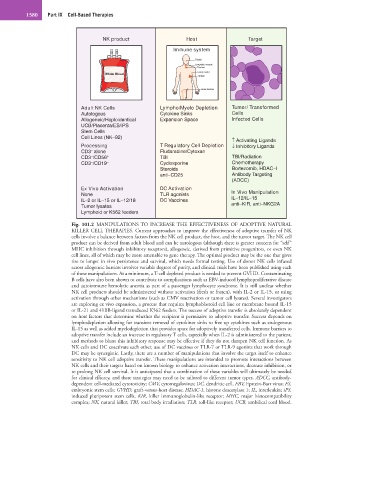
                        Fig.  101.2  MANIPULATIONS TO  INCREASE THE  EFFECTIVENESS  OF  ADOPTIVE  NATURAL
                        KILLER CELL THERAPIES. Current approaches to improve the effectiveness of adoptive transfer of NK
                        cells involve a balance between factors from the NK cell product, the host, and the tumor target. The NK cell
                        product can be derived from adult blood and can be autologous (although there is greater concern for “self”
                        MHC inhibition through inhibitory receptors), allogeneic, derived from primitive progenitors, or even NK
                        cell lines, all of which may be more amenable to gene therapy. The optimal product may be the one that gives
                        rise to longer in vivo persistence and survival, which needs formal testing. Use of donor NK cells infused
                        across allogeneic barriers involves variable degrees of purity, and clinical trials have been published using each
                        of these manipulations. At a minimum, a T-cell depleted product is needed to prevent GVHD. Contaminating
                        B cells have also been shown to contribute to complications such as EBV-induced lymphoproliferative disease
                        and autoimmune hemolytic anemia as part of a passenger lymphocyte syndrome. It is still unclear whether
                        NK cell products should be administered without activation (fresh or frozen), with IL-2 or IL-15, or using
                        activation through other mechanisms (such as CMV reactivation or tumor cell lysates). Several investigators
                        are exploring ex vivo expansion, a process that requires lymphoblastoid cell line or membrane bound IL-15
                        or IL-21 and 41BB-ligand transduced K562 feeders. The success of adoptive transfer is absolutely dependent
                        on host factors that determine whether the recipient is permissive to adoptive transfer. Success depends on
                        lymphodepletion allowing for transient removal of cytokines sinks to free up cytokines such as endogenous
                        IL-15 as well as added myelodepletion that provides space for adoptively transferred cells. Immune barriers to
                        adoptive transfer include an increase in regulatory T cells, especially when IL-2 is administered to the patient,
                        and methods to blunt this inhibitory response may be effective if they do not dampen NK cell function. As
                        NK cells and DC coactivate each other, use of DC vaccines or TLR-7 or TLR-9 agonists that work through
                        DC may be synergistic. Lastly, there are a number of manipulations that involve the target itself to enhance
                        sensitivity to NK cell adoptive transfer. These manipulations are intended to promote interactions between
                        NK cells and their targets based on known biology to enhance activation interactions, decrease inhibition, or
                        to prolong NK cell survival. It is anticipated that a combination of these variables will ultimately be needed
                        for clinical efficacy, and these strategies may need to be tailored to different tumor types. ADCC, antibody-
                        dependent cell-mediated cytotoxicity; CMV, cytomegalovirus; DC, dendritic cell, EBV, Epstein-Barr virus; ES,
                        embryonic stem cells; GVHD, graft-versus-host disease; HDAC-1, histone deacetylase 1; IL, interleukin; iPS,
                        induced pluripotent stem cells, KIR, killer immunoglobulin-like receptor; MHC, major histocompatibility
                        complex; NK, natural killer; TBI, total body irradiation; TLR, toll-like receptor; UCB, umbilical cord blood.

