


Page 850 - Hematology_ Basic Principles and Practice ( PDFDrive )
P. 850
Chapter 52  Histiocytic Disorders  733


             TABLE   Hemophagocytic Lymphohistiocytosis-Associated Gene   defects in SH2D1A or SAP. This disorder is a complex one character-
              52.5   Mutations                                    ized  by  lymphoproliferation,  hypogammaglobulinemia,  excess  risk
                                                                  of lymphoma, and development of HLH. It appears to share some
             Gene             Location          Disease           of  the  pathophysiology  with  classic  familial  HLH,  although  other
             PRF1             10q21-22          FHL2              abnormalities (of B cells and other cells) make this disorder distinc-
                                                                  tive. The second X-linked cause of HLH, sometimes called “XLP2”
             UNC13D           17q25             FHL3
                                                                  (although this is disputed), are abnormalities of a gene/protein called
             STX11            6q24              FHL4              baculoviral inhibitor of apoptosis protein repeat-containing protein 4
             RAB27A           15q21             Griscelli syndrome  (BIRC4)/X-linked inhibitor of apoptosis protein (XIAP). The appar-
                                                                  ently unique pathophysiology of HLH caused by XIAP deficiency
             STXBP2           19p13             FHL5
                                                                  is  not  understood.  Other  immunodeficiency  syndromes  caused  by
             Unknown          9q21.3-22         FHL1              defects in lysosomal trafficking have been linked to life-threatening
             SH2D1A           Xq24-26           XLP1              episodes of HLH. These include Chediak-Higashi syndrome, Gris-
             XIAP             Xq25              XLP2/X-linked HLH  celli syndrome, and Hermansky-Pudlak syndrome, type II.
                                                                    Taken  together,  the  nine  genetic  disorders  described  above  still
             FHL, Familial hemophagocytic lymphohistiocytosis; HLH, hemophagocytic   account for fewer than half of the diagnosed cases of HLH in children,
             lymphohistiocytosis; XLP, X-linked lymphoproliferative syndrome.
                                                                  including  many  familial  cases  still  awaiting  molecular  definition.
                                                                  Until recently, it was widely believed that symptoms of HLH trig-
                                                                  gered  by  genetic  causes  arose  during  infancy  and  early  childhood.
                                                                  With the more widespread availability of genetic testing, it is apparent
                         Target cell
                                         Apoptosis                that the first significant episode of HLH can occur throughout life
                                                                  from prenatal presentations through the seventh decade of life. Dis-
                              Granzyme B
                           Perforin                               tinctions  between  primary  (genetically  determined)  and  secondary
                                         Cascade of
                                          caspases                (acquired) forms of HLH become increasingly blurred together as
                                                                  new  genetic  causes  are  identified  and  patients  who  develop  HLH
              Effector cell
             (CTL or NK cell)                                     beyond  early  childhood  or  in  the  contexts  of  EBV  infection  or
                                                   Syntaxin 11  t-SNARE  autoimmune  disease  are  being  found  to  share  some  of  the  same
                                                    Munc18-2
                                            v-SNARE               genetic etiologies.
                                                         Munc13-4  Clinical Manifestations
                               Rab27a  Fusion
                                            Priming
                                                                  The classic presentation of HLH consists of prolonged, hectic fevers
                                                    Docking
                                                                  (usually present for 1–2 weeks before diagnosis), hepatosplenomegaly,
                                                                  and cytopenias. Neurologic symptoms are common and distinctive
                         Cytolytic                                features  of  these  patients;  these  include  symptoms  of  irritability,
                         granules                                 ataxia,  hypotonia  or  hypertonia,  evidence  of  increased  intracranial
                                                                  pressure, meningismus, depressed mental status, cranial nerve palsies,
                                                                  and seizures. Standard diagnostic criteria have been defined by the
                                                                  Histiocyte Society for the conduct of the now closed HLH2004 trial
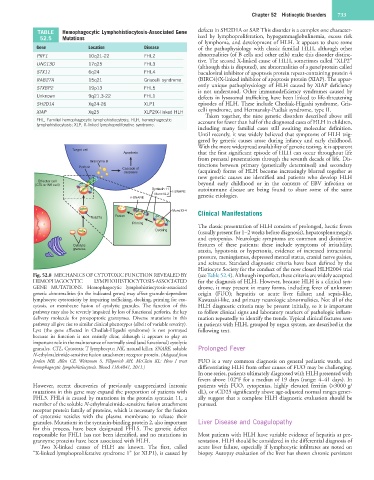
            Fig. 52.8  MECHANICS OF CYTOTOXIC FUNCTION REVEALED BY   (see Table 52.4). Although imperfect, these criteria are widely accepted
            HEMOPHAGOCYTIC      LYMPHOHISTIOCYTOSIS-ASSOCIATED    for the diagnosis of HLH. However, because HLH is a clinical syn-
            GENE  MUTATIONS.  Hemophagocytic  lymphohistiocytosis-associated   drome, it may present in many forms, including fever of unknown
            genetic abnormalities (in the indicated genes) may affect granule-dependent   origin  (FUO);  hepatitis  or  acute  liver  failure;  and  sepsis-like,
            lymphocyte cytotoxicity by impairing trafficking, docking, priming for exo-  Kawasaki-like, and primary neurologic abnormalities. Not all of the
            cytosis,  or  membrane  fusion  of  cytolytic  granules.  The  function  of  this   HLH diagnostic criteria may be present initially, so it is important
            pathway may also be severely impaired by loss of functional perforin, the key   to follow clinical signs and laboratory markers of pathologic inflam-
            delivery  molecule  for  proapoptotic  granzymes.  Diverse  mutations  in  this   mation repeatedly to identify the trends. Typical clinical features seen
            pathway all give rise to similar clinical phenotypes (albeit of variable severity).   in patients with HLH, grouped by organ system, are described in the
            Lyst  (the  gene  affected  in  Chediak-Higashi  syndrome)  is  not  portrayed   following text.
            because  its  function  is  not  entirely  clear,  although  it  appears  to  play  an
            important role in the maintenance of normally sized (and functional) cytolytic
            granules. CTL, Cytotoxic T lymphocyte; NK, natural killer, SNARE, soluble   Prolonged Fever
            N-ethylmaleimide-sensitive fusion attachment receptor protein. (Adapted from
            Jordan  MB,  Allen  CE,  Weitzman  S,  Filipovich  AH,  McClain  KL:  How  I  treat   FUO is a very common diagnosis on general pediatric wards, and
            hemophagocytic lymphohistiocytosis. Blood 118:4041, 2011.)  differentiating HLH from other causes of FUO may be challenging.
                                                                  In one series, patients ultimately diagnosed with HLH presented with
                                                                  fevers above 102°F for a median of 19 days (range: 4–41 days). In
            However,  recent  discoveries  of  previously  unappreciated  intronic   patients  with  FUO,  cytopenias,  highly  elevated  ferritin  (>3000 g/
            mutations in this gene may expand the proportion of patients with   dL), or sCD25 significantly above age-adjusted normal ranges gener-
            FHL3. FHL4 is caused by mutations in the protein syntaxin 11, a   ally suggest that a complete HLH diagnostic evaluation should be
            member of the soluble N-ethylmaleimide-sensitive fusion attachment   pursued.
            receptor protein family of proteins, which is necessary for the fusion
            of  cytotoxic  vesicles  with  the  plasma  membrane  to  release  their
            granules. Mutations in the syntaxin-binding protein 2, also important   Liver Disease and Coagulopathy
            for  this  process,  have  been  designated  FHL5.  The  genetic  defect
            responsible for FHL1 has not been identified, and no mutations in   Most patients with HLH have variable evidence of hepatitis at pre-
            granzyme proteins have been associated with HLH.      sentation. HLH should be considered in the differential diagnosis of
              Two  X-linked  causes  of  HLH  are  known.  The  first,  called   acute liver failure, especially if lymphocytic infiltrates are noted on
            “X-linked lymphoproliferative syndrome 1” (or XLP1), is caused by   biopsy. Autopsy evaluation of the liver has shown chronic persistent

