


Page 1709 - Williams Hematology ( PDFDrive )
P. 1709
1684           Part XI:  Malignant Lymphoid Diseases                                                                              Chapter 103:  Cutaneous T-Cell Lymphoma (Mycosis Fungoides and Sézary Syndrome)                1685


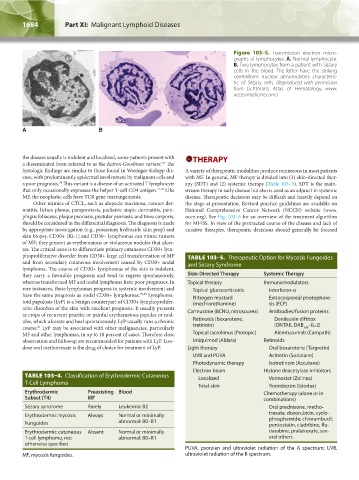
                                                                                      Figure 103–5.  Transmission electron micro-
                                                                                      graphs of lymphocytes. A. Normal lymphocyte.
                                                                                      B. Two lymphocytes from a patient with Sézary
                                                                                      cells in the blood. The latter have the striking
                                                                                      cerebriform nuclear abnormalities characteris-
                                                                                      tic of Sézary cells.  (Reproduced  with  permission
                                                                                      from  Lichtman’s Atlas of Hematology, www.
                                                                                      accessmedicine.com.)


               A                         B


               the disease usually is indolent and localized, some patients present with   THERAPY
                                                              76
               a disseminated form referred to as the Ketron-Goodman variant.  The
               histologic findings are similar to those found in Woringer-Kolopp dis-  A variety of therapeutic modalities produce remissions in most patients
               ease, with predominantly epidermal involvement by malignant cells and   with MF. In general, MF therapy is divided into (1) skin-directed ther-
               a poor prognosis.  This variant is a disease of an activated T lymphocyte   apy (SDT) and (2) systemic therapy (Table 103–5). SDT is the main-
                            76
               that only occasionally expresses the helper T-cell CD4 antigen. 77,78  Like   stream therapy in early disease but also is used as an adjunct in systemic
               MF, the neoplastic cells have TCR gene rearrangements.  disease. Therapeutic decisions may be difficult and heavily depend on
                   Other mimics of CTCL, such as alopecia mucinosa, contact der-  the stage at presentation. Revised practice guidelines are available on
               matitis, lichen planus, parapsoriasis, pediatric atopic dermatitis, pem-  National Comprehensive Cancer Network (NCCN) website (www.
               phigus foliaceus, plaque psoriasis, pustular psoriasis, and tinea corporis,   nccn.org). See Fig. 103–6 for an overview of the treatment algorithm
               should be considered in the differential diagnosis. The diagnosis is made   for MF/SS. In view of the protracted course of the disease and lack of
               by appropriate investigation (e.g., potassium hydroxide skin prep) and   curative therapies, therapeutic decisions should generally be focused
               skin biopsy. CD30+ (Ki-1) and CD30− lymphomas can mimic tumors
               of MF; they present as erythematous or violaceous nodules that ulcer-
               ate. The critical issue is to differentiate primary cutaneous CD30+ lym-
               phoproliferative disorder from CD30+ large cell transformation of MF   TABLE 103–5.  Therapeutic Option for Mycosis Fungoides
               and from secondary cutaneous involvement caused by CD30+ nodal   and Sézary Syndrome
               lymphoma. The course of CD30+ lymphomas of the skin is indolent,
               they carry a favorable prognosis and tend to regress spontaneously,   Skin-Directed Therapy  Systemic Therapy
               whereas transformed MF and nodal lymphoma have poor prognoses. In   Topical therapy  Immunomodulators
               rare instances, these lymphomas progress to systemic involvement and     Topical glucocorticoids    Interferon-α
               have the same prognosis as nodal CD30+ lymphomas. 79,80  Lymphoma-     Nitrogen mustard      Extracorporeal photophore-
               toid papulosis (LyP) is a benign counterpart of CD30+ lymphoprolifer-  (mechlorethamine)  sis (ECP)
               ative disorders of the skin with excellent prognosis. It usually presents     Carmustine (BCNU, nitrosourea)   Antibodies/fusion proteins
               as crops of recurrent pruritic or painful erythematous papules or nod-
               ules, which ulcerate and heal spontaneously. LyP usually runs a chronic      Retinoids (bexarotene,      Denileukin diftitox
                     81
               course.  LyP may be associated with other malignancies, particularly   tretinoin)    (ONTAK, DAB –IL-2)
                                                                                                              389
               MF and other lymphomas, in up to 10 percent of cases. Therefore close     Topical tacrolimus (Protopic)     Alemtuzumab (Campath)
               observation and followup are recommended for patients with LyP. Low-    Imiquimod (Aldara)  Retinoids
               dose oral methotrexate is the drug of choice for treatment of LyP.  Light therapy    Oral bexarotene (Targretin)
                                                                         UVB and PUVA             Acitretin (Soriatane)
                                                                         Photodynamic therapy     Isotretinoin (Accutane)
                                                                         Electron beam          Histone deacetylase inhibitors
                TABLE 103–4.  Classification of Erythrodermic Cutaneous      Localized            Vorinostat (Zolinza)
                T-Cell Lymphoma                                            Total-skin             Romidepsin (Istodax)
                Erythrodermic        Preexisting  Blood                                         Chemotherapy (alone or in
                Subset (T4)          MF                                                         combinations)
                Sézary syndrome      Rarely     Leukemia: B2                                       Oral prednisone, metho-
                Erythrodermic mycosis  Always   Normal or minimally                               trexate, doxorubicin, cyclo-
                                                                                                  phosphamide; chlorambucil;
                Fungoides                       abnormal: B0–B1                                   pentostatin, cladribine, flu-
                Erythrodermic cutaneous  Absent  Normal or minimally                              darabine, pralatrexate, sev-
                T-cell lymphoma, not            abnormal: B0–B1                                   eral others
                otherwise specified
                                                                      PUVA, psoralen and ultraviolet radiation of the A spectrum; UVB,
               MF, mycosis fungoides.                                 ultraviolet radiation of the B spectrum.


          Kaushansky_chapter 103_p1679-1692.indd   1684                                                                 9/21/15   12:51 PM

