


Page 690 - Clinical Immunology_ Principles and Practice ( PDFDrive )
P. 690
CHaPTEr 48  Drug Hypersensitivity             663


                                                   TAXANES HYPERSENSITIVITY
                                    Taxus baccata                           Solvents and excipients
                                                                  Taxane moiety
                                                                    Paclitaxel                Solvent
                                                                    Docetaxel               Cremophor EL
                                                                    Cabazitaxel             Polysorbate 80

                                                                                 IgG


                                                                                                C3a
                                                                                                C5a
                                                                               IgE
                                                                      Direct action


                                                              Mediators
                                                               LTC4
                                                               PGD2
                                                              Histamine
                                                              Tryptase
                                                                               Mast cell/basophil
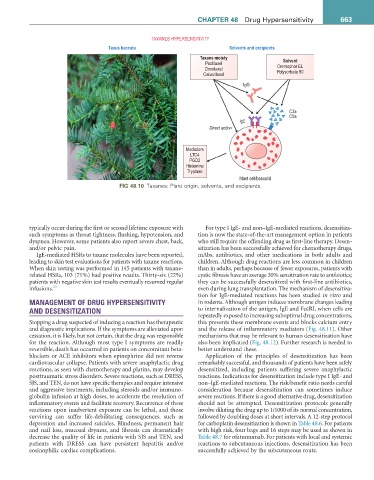
                                        FiG 48.10  Taxanes: Plant origin, solvents, and excipients.


           typically occur during the first or second lifetime exposure with   For type I IgE- and non–IgE-mediated reactions, desensitiza-
           such symptoms as throat tightness, flushing, hypotension, and   tion is now the state-of-the-art management option in patients
           dyspnea. However, some patients also report severe chest, back,   who still require the offending drug as first-line therapy. Desen-
           and/or pelvic pain.                                    sitization has been successfully achieved for chemotherapy drugs,
             IgE-mediated HSRs to taxane molecules have been reported,   mAbs, antibiotics, and other medications in both adults and
           leading to skin test evaluations for patients with taxane reactions.   children. Although drug reactions are less common in children
           When skin testing was performed in 145 patients with taxane-  than in adults, perhaps because of fewer exposures, patients with
           related HSRs, 103 (71%) had positive results. Thirty-six (22%)   cystic fibrosis have an average 30% sensitization rate to antibiotics;
           patients with negative skin test results eventually resumed regular   they can be successfully desensitized with first-line antibiotics,
           infusions. 53                                          even during lung transplantation. The mechanism of desensitiza-
                                                                  tion for IgE-mediated reactions has been studied in vitro and
           MANAGEMENT OF DRUG HYPERSENSITIVITY                    in rodents. Although antigen induces membrane changes leading
           AND DESENSITIZATION                                    to internalization of the antigen, IgE and FcεRI, when cells are
                                                                  repeatedly exposed to increasing suboptimal drug concentrations,
           Stopping a drug suspected of inducing a reaction has therapeutic   this prevents these membrane events and blocks calcium entry
           and diagnostic implications. If the symptoms are alleviated upon   and the release of inflammatory mediators (Fig. 48.11). Other
           cessation, it is likely, but not certain, that the drug was responsible   mechanisms that may be relevant to human desensitization have
           for the reaction. Although most type I symptoms are readily   also been implicated (Fig. 48.12). Further research is needed to
           reversible, death has occurred in patients on concomitant beta-  better understand these.
           blockers or ACE inhibitors when epinephrine did not reverse   Application of the principles of desensitization has been
           cardiovascular collapse. Patients with severe anaphylactic drug   remarkably successful, and thousands of patients have been safely
           reactions, as seen with chemotherapy and platins, may develop   desensitized, including patients suffering severe anaphylactic
           posttraumatic stress disorders. Severe reactions, such as DRESS,   reactions. Indications for desensitization include type I IgE- and
           SJS, and TEN, do not have specific therapies and require intensive   non–IgE-mediated reactions. The risk/benefit ratio needs careful
           and aggressive treatments, including steroids and/or immuno-  consideration because desensitization can sometimes induce
           globulin infusion at high doses, to accelerate the resolution of   severe reactions. If there is a good alternative drug, desensitization
           inflammatory events and facilitate recovery. Recurrence of these   should  not  be attempted. Desensitization  protocols  generally
           reactions upon inadvertent exposure can be lethal, and those   involve diluting the drug up to 1/1000 of its normal concentration,
           surviving can suffer life-debilitating consequences, such as   followed by doubling doses at short intervals. A 12-step protocol
           depression and increased suicides. Blindness, permanent hair   for carboplatin desensitization is shown in Table 48.6. For patients
           and nail loss, mucosal dryness, and fibrosis can dramatically   with high risk, four bags and 16 steps may be used as shown in
           decrease the quality of life in patients with SJS and TEN, and   Table 48.7 for ofatumumab. For patients with local and systemic
           patients with DRESS can have persistent hepatitis and/or   reactions to subcutaneous injections, desensitization has been
           eosinophilic cardiac complications.                    successfully achieved by the subcutaneous route.

