


Page 1545 - Hall et al (2015) Principles of Critical Care-McGraw-Hill
P. 1545
1064     PART 10: The Surgical Patient


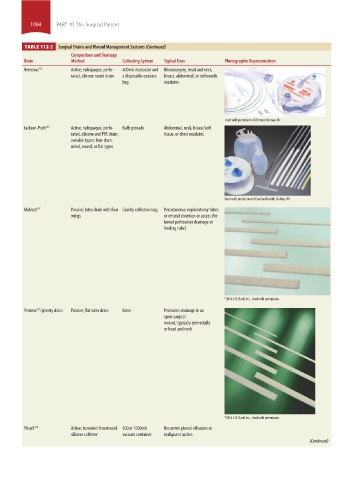
                   TABLE 112-2    Surgical Drains and Wound Management Systems (Continued)
                                  Composition and Drainage
                  Drain           Method            Collecting System  Typical Uses   Photographic Representation
                  Hemovac 122     Active; radiopaque, perfo-  400 mL evacuator and  Neurosurgery, head and neck,
                                  rated, silicone round drain  a disposable exudate   breast, abdominal, or orthopedic
                                                    bag           exudates


                                                                                       Used with permission of Zimmer, Warsaw, IN.
                  Jackson-Pratt 123  Active; radiopaque, perfo-  Bulb grenade  Abdominal, neck, breast/soft
                                  rated, silicone and PVC drain;    tissue, or chest exudates
                                  variable types; four-chan-
                                  neled, round, or flat types


                                                                                      Used with permission of Cardinal Health, Dublin, OH.
                  Malecot 117     Passive; latex drain with four  Gravity collection bag  Percutaneous nephrostomy tubes
                                  wings                           or enteral diversion or access (for
                                                                  bowel perforation drainage or
                                                                  feeding tube)


                                                                                      ®2014 C.R. Bard, Inc., Used with permission.
                      117
                  Penrose /gravity drain  Passive; flat latex drain  None  Promotes drainage in an
                                                                  open surgical
                                                                  wound;  typically perirectally
                                                                  or head and neck


                                                                                      ®2014 C.R. Bard, Inc., Used with permission.
                  PleurX 124      Active; tunneled fenestrated  500 or 1000 mL   Recurrent pleural effusions or
                                  silicone catheter  vacuum container  malignant ascites
                                                                                                                   (Continued)


            section10.indd   1064                                                                                      1/20/2015   9:19:40 AM

