


Page 235 - Textbook of Pathology, 6th Edition
P. 235
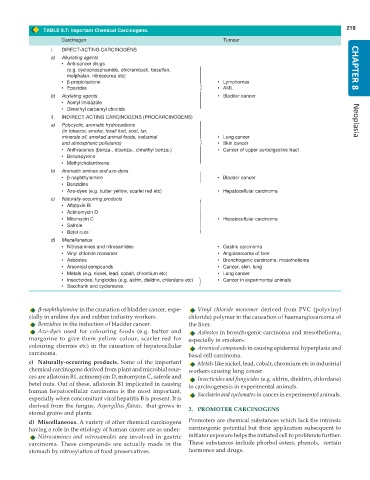
TABLE 8.7: Important Chemical Carcinogens. 219
Carcinogen Tumour
I. DIRECT-ACTING CARCINOGENS
a) Alkylating agents
• Anti-cancer drugs
(e.g. cyclophosphamide, chlorambucil, busulfan, CHAPTER 8
melphalan, nitrosourea etc)
• β-propiolactone } • Lymphomas
• Epoxides • AML
b) Acylating agents • Bladder cancer
• Acetyl imidazole
• Dimethyl carbamyl chloride
II. INDIRECT-ACTING CARCINOGENS (PROCARCINOGENS)
a) Polycyclic, aromatic hydrocarbons Neoplasia
(in tobacco, smoke, fossil fuel, soot, tar, }
minerals oil, smoked animal foods, industrial • Lung cancer
and atmospheric pollutants) • Skin cancer
• Anthracenes (benza-, dibenza-, dimethyl benza-) • Cancer of upper aerodigestive tract
• Benzapyrene
• Methylcholanthrene
b) Aromatic amines and azo-dyes
• β-naphthylamine } • Bladder cancer
• Benzidine
• Azo-dyes (e.g. butter yellow, scarlet red etc) • Hepatocellular carcinoma
c) Naturally-occurring products
• Aflatoxin Bl
• Actinomycin D }
• Mitomycin C • Hepatocellular carcinoma
• Safrole
• Betel nuts
d) Miscellaneous
• Nitrosamines and nitrosamides • Gastric carcinoma
• Vinyl chloride monomer • Angiosarcoma of liver
• Asbestos • Bronchogenic carcinoma, mesothelioma
• Arsenical compounds • Cancer, skin, lung
• Metals (e.g. nickel, lead, cobalt, chromium etc) • Lung cancer
• Insecticides, fungicides (e.g. aldrin, dieldrin, chlordane etc) } • Cancer in experimental animals
• Saccharin and cyclomates
β-naphthylamine in the causation of bladder cancer, espe- Vinyl chloride monomer derived from PVC (polyvinyl
cially in aniline dye and rubber industry workers. chloride) polymer in the causation of haemangiosarcoma of
Benzidine in the induction of bladder cancer. the liver.
Azo-dyes used for colouring foods (e.g. butter and Asbestos in bronchogenic carcinoma and mesothelioma,
margarine to give them yellow colour, scarlet red for especially in smokers.
colouring cherries etc) in the causation of hepatocellular Arsenical compounds in causing epidermal hyperplasia and
carcinoma. basal cell carcinoma.
c) Naturally-occurring products. Some of the important Metals like nickel, lead, cobalt, chromium etc in industrial
chemical carcinogens derived from plant and microbial sour- workers causing lung cancer.
ces are aflatoxin B1, actinomycin D, mitomycin C, safrole and Insecticides and fungicides (e.g. aldrin, dieldrin, chlordane)
betel nuts. Out of these, aflatoxin B1 implicated in causing in carcinogenesis in experimental animals.
human hepatocellular carcinoma is the most important, Saccharin and cyclomates in cancer in experimental animals.
especially when concomitant viral hepatitis B is present. It is
derived from the fungus, Aspergillus flavus, that grows in 2. PROMOTER CARCINOGENS
stored grains and plants.
d) Miscellaneous. A variety of other chemical carcinogens Promoters are chemical substances which lack the intrinsic
having a role in the etiology of human cancer are as under: carcinogenic potential but their application subsequent to
Nitrosamines and nitrosamides are involved in gastric initiator exposure helps the initiated cell to proliferate further.
carcinoma. These compounds are actually made in the These substances include phorbol esters, phenols, certain
stomach by nitrosylation of food preservatives. hormones and drugs.

