


Page 90 - Psychology of Wounds and Wound Care in Clinical Practice ( PDFDrive )
P. 90
64   Chapter 3.  Stress


                              Potential stressor


                             Primary appraisal: Is
                               this stressful?


                                         Yes –potentially harmful
               No -harmless

                                          Secondary appraisal:
                 No stress     Yes
                                        Can I cope with the stress?
                                            Unable to cope


                                               Stress


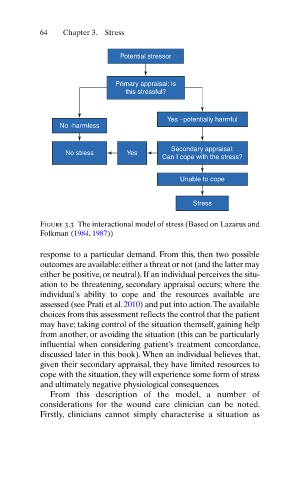
             Figure 3.3    The interactional model of stress (Based on Lazarus and
           Folkman (  1984 ,  1987 ))

           response to a particular demand. From this, then two possible
           outcomes are available: either a threat or not (and the latter may
           either be positive, or neutral). If an individual perceives the situ-
           ation to be threatening, secondary appraisal occurs; where the
           individual’s ability to cope and the resources available are
           assessed (see Prati et al.   2010 ) and put into action. The available
           choices from this assessment reflects the control that the patient
           may have; taking control of the situation themself, gaining help
           from another, or avoiding the situation (this can be particularly
           influential when considering patient’s treatment concordance,
           discussed later in this book). When an individual believes that,
           given their secondary appraisal, they have limited resources to
           cope with the situation, they will experience some form of stress
           and ultimately negative physiological consequences.
               From this description of the model, a number of
             considerations for the wound care clinician can be noted.
           Firstly, clinicians cannot simply characterise a situation as

