


Page 1336 - Williams Hematology ( PDFDrive )
P. 1336
1310  Part X:  Malignant Myeloid Diseases                          Chapter 85:  Essential Thrombocythemia            1311


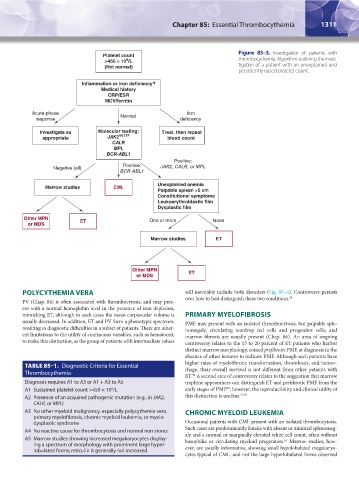
                                                                                          Figure 85–3.  Investigation of patients with
                                             Platelet count
                                                     9
                                             >450 ë 10 /L                                 thrombocythemia. Algorithm outlining the inves-
                                             (Hct normal)                                 tigation of a patient with an unexplained and
                                                                                          persistently raised platelet count.
                                      Inflammation or iron deficiency?
                                            Medical history
                                               CRP/ESR
                                              MCV/ferritin
                     Acute-phase                   Normal                Iron
                      response                                         deficiency

                        Investigate as     Molecular testing:    Treat, then repeat
                         appropriate          JAK2 V617F          blood count
                                                CALR
                                                MPL
                                              BCR-ABL1
                                                                     Positive:
                            Negative (all)          Positive:   JAK2, CALR, or MPL
                                                   BCR-ABL1
                                                               Unexplained anemia
                         Marrow studies         CML
                                                               Palpable spleen >5 cm
                                                               Constitutional symptoms
                                                               Leukoerythroblastic film
                                                               Dysplastic film
                  Other MPN                                 One or more           None
                    or MDS           ET


                                                             Marrow studies        ET


                                                       Other MPN          ET
                                                        or MDS


                  POLYCYTHEMIA VERA                                     will inevitably include both disorders (Fig. 85–4). Controversy persists
                                                                        over how to best distinguish these two conditions. 58
                  PV (Chap. 84) is often associated with thrombocytosis, and may pres-
                  ent with a normal hemoglobin level in the presence of iron depletion,
                  mimicking ET, although in such cases the mean corpuscular volume is   PRIMARY MYELOFIBROSIS
                  usually decreased. In addition, ET and PV form a phenotypic spectrum,   PMF may present with an isolated thrombocytosis, but palpable sple-
                  resulting in diagnostic difficulties in a subset of patients. There are inher-  nomegaly, circulating teardrop red cells and progenitor cells, and
                  ent limitations to the utility of continuous variables, such as hematocrit,   marrow fibrosis are usually present (Chap. 86). An area of ongoing
                  to make this distinction, as the group of patients with intermediate values   controversy relates to the 15 to 20 percent of ET patients who harbor
                                                                        distinct marrow morphology, coined prefibrotic PMF, at diagnosis in the
                                                                        absence of other features to indicate PMF. Although such patients have
                                                                        higher rates of myelofibrotic transformation, thrombosis, and hemor-
                   TABLE 85–1.  Diagnostic Criteria for Essential       rhage, their overall survival is not different from other patients with
                   Thrombocythemia
                                                                        ET.  A second area of controversy relates to the suggestion that marrow
                                                                           59
                   Diagnosis requires A1 to A3 or A1 + A3 to A5         trephine appearances can distinguish ET and prefibrotic PMF from the
                                                                                      60
                   A1   Sustained platelet count >450 × 10 /L           early stages of PMF ; however, the reproducibility and clinical utility of
                                                9
                   A2   Presence of an acquired pathogenic mutation (e.g., in JAK2,   this distinction is unclear. 41,58
                      CALR, or MPL)
                   A3   No other myeloid malignancy, especially polycythemia vera,   CHRONIC MYELOID LEUKEMIA
                      primary myelofibrosis, chronic myeloid leukemia, or myelo-
                      dysplastic syndrome                               Occasional patients with CML present with an isolated thrombocytosis.
                   A4   No reactive cause for thrombocytosis and normal iron stores  Such cases are predominantly female with absent or minimal splenomeg-
                   A5   Marrow studies showing increased megakaryocytes display-  aly and a normal or marginally elevated white cell count, often without
                                                                                                          61
                                                                        basophilia or circulating myeloid progenitors.  Marrow studies, how-
                      ing a spectrum of morphology with prominent large hyper-
                      lobulated forms; reticulin is generally not increased  ever, are usually informative, showing small hypolobulated megakaryo-
                                                                        cytes typical of CML, and not the large hyperlobulated forms observed


          Kaushansky_chapter 85_p1307-1318.indd   1311                                                                  9/21/15   11:08 AM

