


Page 344 - Clinical Immunology_ Principles and Practice ( PDFDrive )
P. 344
324          Part two  Host Defense Mechanisms and Inflammation


         TABLE 22.3  Genotype–Phenotype Correlations in X-Linked Chronic Granulomatous
         Disease (CGD)
                                  X91 0                           X91 −                    X91 +
          gp91 phox  protein levels  Undetectable                 Normal to low            Normal
          Residual superoxide production  Undetectable            Undetectable             Low
          Cytochrome b 558  spectrum  Absent                      Low                      Low or normal
          Type of mutations in CYBB  Deletions, insertions, splice site mutations,   Missense mutation, especially   Missense mutations, especially
                                   missense mutations, nonsense mutations  involving amino acids 310–587  involving amino acids 1–309


                                                O 2         O -
                                                             2
                                                                  Chemoattractant

                                              e -
                          p22 phox    gp91 phox  p22 phox  gp91 pho                  Extracellular
                                 FAD                FAD
                               HEME               HEME                                     PLC
                                 HEME   Activation  P  HEME  Respiratory   α  γ    α   γ
                                               P        rac  burst           β    GTP  β
                                               P  p47 phox                              PIP 2
                                                P P  p67 phox
                                                     p40 phox
                               Cytochrome b 558                       Ca ++             DAG
                                                NADPH     NADP +      Ca ++  Calciosome  +
                               Cytosolic factors                      Ca ++              IP 3
                                         rac
                             p47 phox
                                      p67 phox             Chemotaxis
                              p40 phox                     Degranulation
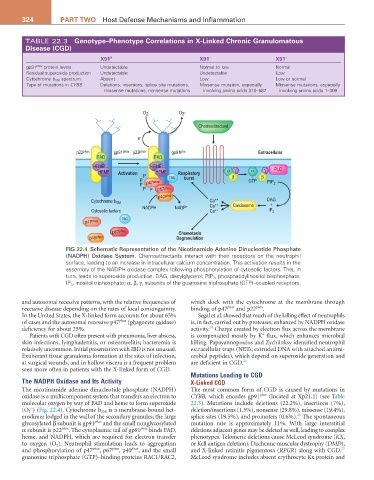
                       FIG 22.4  Schematic Representation of the Nicotinamide Adenine Dinucleotide Phosphate
                       (NADPH) Oxidase System. Chemoattractants interact with their receptors on the neutrophil
                       surface, leading to an increase in intracellular calcium concentration. This activation results in the
                       assembly of the NADPH oxidase complex following phosphorylation of cytosolic factors. This, in
                       turn, leads to superoxide production. DAG, diacylglycerol; PIP 2 , phosphatidylinositol bisphosphate;
                       IP 3 , inositol triphosphate; α, β, γ, subunits of the guanosine triphosphate (GTP)–coupled receptors.


        and autosomal recessive patterns, with the relative frequencies of   which  dock  with  the  cytochrome  at  the  membrane  through
        recessive disease depending on the rates of local consanguinity.   binding of p47 phox  and p22 phox .
        In the United States, the X-linked form accounts for about 65%   Segal et al. showed that much of the killing effect of neutrophils
        of cases and the autosomal recessive p47 phox  (phagocyte oxidase)   is, in fact, carried out by proteases, enhanced by NADPH oxidase
                                                                      24
        deficiency for about 25%.                              activity.  Charge created by electron flux across the membrane
                                                                                       +
           Patients with CGD often present with pneumonia, liver abscess,   is compensated mostly by K  flux, which enhances microbial
        skin infections, lymphadenitis, or osteomyelitis; bacteremia is   killing. Papayannopoulos and Zychlinksy identified neutrophil
        relatively uncommon. Initial presentation with IBD is not unusual.   extracellular traps (NETs; extruded DNA with attached antimi-
        Exuberant tissue granuloma formation at the sites of infection,   crobial peptides), which depend on superoxide generation and
        at surgical wounds, and in hollow viscera is a frequent problem   are deficient in CGD. 25
        seen more often in patients with the X-linked form of CGD.
                                                               Mutations Leading to CGD
        The NADPH Oxidase and Its Activity                     X-Linked CGD
        The nicotinamide adenine dinucleotide phosphate (NADPH)   The most common form of CGD is caused by mutations in
        oxidase is a multicomponent system that transfers an electron to   CYBB, which encodes gp91 phox  (located at Xp21.1) (see Table
        molecular oxygen by way of FAD and heme to form superoxide   22.3). Mutations include deletions (22.2%), insertions (7%),
           −
        (O 2 ) (Fig. 22.4). Cytochrome b 558  is a membrane-bound het-  deletion/insertions (1.5%), nonsense (29.8%), missense (19.4%),
                                                                                                  26
        erodimer lodged in the wall of the secondary granules; the large   splice sites (19.5%), and promoters (0.6%).  The spontaneous
        glycosylated β subunit is gp91 phox  and the small nonglycosylated   mutation rate is approximately 11%.  With large interstitial
        α subunit is p22 phox . The cytoplasmic tail of gp91 phox  binds FAD,   deletions adjacent genes may be deleted as well, leading to complex
        heme,  and  NADPH,  which  are  required  for  electron  transfer   phenotypes. Telomeric deletions cause McLeod syndrome (KX,
        to  oxygen  (O 2).  Neutrophil  stimulation  leads  to  aggregation   or Kell antigen deletion), Duchenne muscular dystrophy (DMD),
                                                                                                                 27
        and phosphorylation of p47 phox , p67 phox , p40 phox , and the small   and X-linked retinitis pigmentosa (RPGR) along with CGD.
        guanosine triphosphate (GTP)–binding proteins RAC1/RAC2,   McLeod syndrome includes absent erythrocyte Kx protein and

