


Page 598 - Clinical Immunology_ Principles and Practice ( PDFDrive )
P. 598
576          ParT FIvE  Allergic Diseases


        Treatment of ABPA aims to suppress the inflammatory response   the lungs. Expansion of Th2 cells and local and systemic release
        to the fungus and to control bronchospasm with glucocorticoid   of IL-4 and IL-5 are also frequently seen. The clonal expansion
        therapy, the duration of which may be shortened by concomitant   of Th2 cells in the absence of known antigen exposures, and the
        use of oral antifungal agents, such as itraconazole. 15  association of idiopathic hypereosinophilic syndrome (IHES)
                                                               with a variety of chromosomal aberrations, strongly support
        Acute Eosinophilic Pneumonia                           the concept that IHES is a myeloproliferative disorder involving
        Acute eosinophilic pneumonia (AEP) is an acute, often debilitating   Th2 cells, although aberrant secretion of IL-5 by both solid and
        eosinophilic inflammatory syndrome that exclusively involves   liquid tumors can produce very similar syndromes. Many organs
        the lungs and is marked by pulmonary infiltrates, dyspnea   can be affected, resulting in dysfunction or failure of the
        progressing to frank respiratory failure, and fever. The diagnosis   gastrointestinal (GI) tract, skeletal muscles (leading potentially
        is dependent on eosinophils exceeding 25% of all inflammatory   to respiratory failure), endomyocardial fibrosis, myocarditis, and
        cells within the bronchoalveolar lavage (BAL) fluid. Increasing   congestive heart failure. Pulmonary involvement manifests as
        evidence suggests an association between AEP and respiratory   obstructive airway disease, pulmonary edema, or pulmonary
        fungal infections and recent-onset cigarette smoking. 16,17  AEP   emboli caused by a hypercoagulable state. In addition to hype-
        has also been reported following allogeneic hematopoietic stem   reosinophilia, patients with IHES may have evidence of polyclonal
        cell transplantation (HSCT) in the setting of graft-versus-host   hypergammaglobulinemia. The diagnosis is based on the discovery
                     18
        disease (GvHD).  Prompt recognition of the disease and initiation   of  elevated  peripheral  blood  eosinophilia  in  the  setting  of  a
        of treatment with glucocorticoids usually results in rapid radio-  multisystem disorder, with evidence of aberrant Th2 responses
        graphic and clinical improvement.                      or elevated IL-5 secretion and defined genetic mutations. The
                                                               most consistently effective therapy for IHES involves tyrosine
        Intrinsic Eosinophilic Syndromes                       kinase inhibition, using agents such as imatinib mesylate. 20
        Chronic Eosinophilic Pneumonia
        This disorder presents similarly to AEP, but in a more chronic   Churg-Strauss Syndrome
        manner (greater than 6 weeks duration). Chronic eosinophilic   Churg-Strauss syndrome (CSS), also termed eosinophilic granu-
        pneumonia (CEP) can occur in isolation and/or in association   lomatosis with polyangiitis (EGPA), is a necrotizing vasculitis of
        with polyarteritis nodosa, rheumatoid arthritis, scleroderma,   medium and small caliber vessels (Chapter 58), which is character-
        ulcerative colitis, breast carcinoma, and histiocytic lymphoma.   ized by airway obstruction and eosinophilia. The disease has an
        Most patients have evidence of asthma and atopy. Like AEP, CEP   autoimmune nature, given the presence of circulating anti-
        can present with striking eosinophilic inflammation of the lung   myeloperoxidase and antineutrophil cytoplasmic antibodies
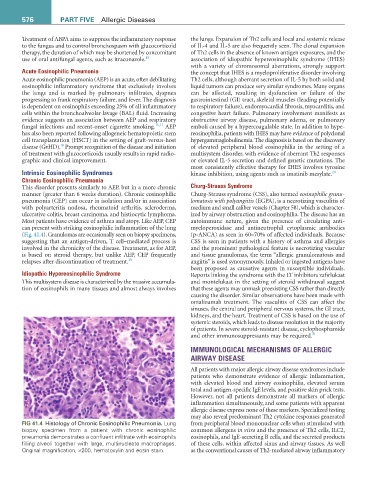
        (Fig. 41.4). Granulomas are occasionally seen on biopsy specimens,   (p-ANCA) as seen in 60–70% of affected individuals. Because
        suggesting that an antigen-driven, T cell–mediated process is   CSS is seen in patients with a history of asthma and allergies
        involved in the chronicity of the disease. Treatment, as for AEP,   and the prominent pathological feature is necrotizing vascular
        is based on steroid therapy, but unlike  AEP, CEP frequently   and tissue granulomas, the term “allergic granulomatosis and
        relapses after discontinuation of treatment. 19        angiitis” is used synonymously. Inhaled or ingested antigens have
                                                               been proposed as causative agents in susceptible individuals.
        Idiopathic Hypereosinophilic Syndrome                  Reports linking the syndrome with the LT inhibitors zafirlukast
        This multisystem disease is characterized by the massive accumula-  and montelukast in the setting of steroid withdrawal suggest
        tion of eosinophils in many tissues and almost always involves   that these agents may unmask preexisting CSS rather than directly
                                                               causing the disorder. Similar observations have been made with
                                                               omalizumab treatment. The vasculitis of CSS can affect the
                                                               sinuses, the central and peripheral nervous systems, the GI tract,
                                                               kidneys, and the heart. Treatment of CSS is based on the use of
                                                               systemic steroids, which leads to disease resolution in the majority
                                                               of patients. In severe steroid-resistant disease, cyclophosphamide
                                                               and other immunosuppressants may be required. 21
                                                               IMMUNOLOGICAL MECHANISMS OF ALLERGIC
                                                               AIRWAY DISEASE

                                                               All patients with major allergic airway disease syndromes include
                                                               patients who demonstrate evidence of allergic inflammation,
                                                               with elevated blood and airway eosinophilia, elevated serum
                                                               total and antigen-specific IgE levels, and positive skin prick tests.
                                                               However, not all patients demonstrate all markers of allergic
                                                               inflammation simultaneously, and some patients with apparent
                                                               allergic disease express none of these markers. Specialized testing
                                                               may also reveal predominant Th2 cytokine responses generated
        FIG 41.4  Histology of Chronic Eosinophilic Pneumonia. Lung   from peripheral blood mononuclear cells when stimulated with
        biopsy specimen from a patient with chronic eosinophilic   common allergens in vitro and the presence of Th2 cells, ILC2,
        pneumonia demonstrates a confluent infiltrate with eosinophils   eosinophils, and IgE-secreting B cells, and the secreted products
        filling alveoli together with large, multinucleate macrophages.   of these cells, within affected sinus and airway tissues. As well
        Original magnification, ×200, hematoxylin and eosin stain.   as the conventional causes of Th2-mediated airway inflammatory

