


Page 1373 - Hall et al (2015) Principles of Critical Care-McGraw-Hill
P. 1373
946     PART 8: Renal and Metabolic Disorders


                   TABLE 99-2    Causes of Hypernatremia
                  Increased CEFW a             Sweat and Insensible Losses  Water Loss into Cells  Increased Intake of Sodium  Central Impairment of Thirst
                  Central diabetes insipidus   Fever             Severe exercise  Infusions of hypertonic sodium bicarbonate Reset osmostat
                  Nephrogenic diabetes insipidus  Tachypnea      Seizures      Infusions of hypertonic saline  Elderly patients
                  Hypercalcemia                Burns                           Hypertonic dialysate
                  Hypokalemia                  Exercise                        Overdose of salt tablets
                  Recovery from acute tubular necrosis
                  Postobstructive diuresis
                  X-linked recessive
                  Lithium
                  Demeclocycline
                  Osmotic diuresis
                  Hyperglycemia
                  Mannitol
                  Urea (catabolic state, high-protein tube feedings)
                  Diarrhea (osmotic)
                  Lactulose
                  Sorbitol
                  Malabsorption
                 a Note: Patients with increased electrolyte-free water losses that are able to increase water intake will maintain eunatremia. These conditions increase the demand for water, but if that demand is met they will not
                 cause hypernatremia.

                                                                       Specific therapy should be employed to reduce ongoing water losses,
                               V iv  × (Na  + K ) − V  × (Na  + K ) −  V × Na  such as correcting hypercalcemia-induced diuresis or administering
                           Na =      iv  iv  u  u  u       s
                                          TBW + V                      desmopressin (DDAVP) to patients with CDI. Beyond this, correcting
                                                                       hypernatremia requires giving hypotonic fluid either enterally or paren-
                           Na =  0.4 × (1000 + 0) − 0.4 × 140          terally. The enteral route is preferred, as it allows the use of electrolyte-
                                     42 + 0.4
                                                                       free water rather than hypotonic or dextrose-containing fluids. Though
                           Na = 8.1                                    the optimum speed of correction has not been rigorously determined,
                                                                       studies on infants and children showed no seizures when sodium was
                                                                                                       9
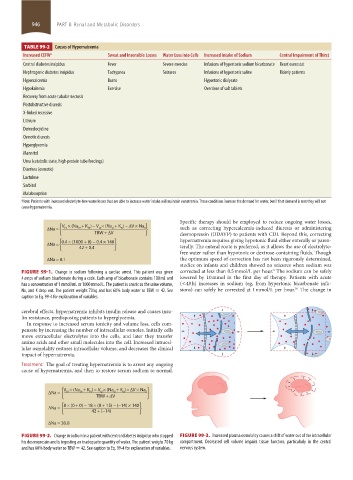
                 FIGURE 99-1.  Change in sodium following a cardiac arrest. This patient was given   corrected at less than 0.5 mmol/L per hour.  The sodium can be safely
                 4 amps of sodium bicarbonate during a code. Each amp of bicarbonate contains 100 mL and   lowered by 10 mmol in the first day of therapy. Patients with acute
                 has a concentration of 1 mmol/mL or 1000 mmol/L. The patient is anuric so the urine volume,   (<48 h) increases in sodium (eg, from hypertonic bicarbonate infu-
                                                                                                              10
                 Na, and K drop out. The patient weighs 70 kg and has 60% body water so TBW = 42. See   sions)  can  safely  be  corrected  at  1 mmol/L  per  hour.   The  change  in
                 caption to Eq. 99-4 for explanation of variables.
                 cerebral effects, hypernatremia inhibits insulin release and causes insu-
                 lin resistance, predisposing patients to hyperglycemia.
                   In response to increased serum tonicity and volume loss, cells com-
                 pensate by increasing the number of intracellular osmoles. Initially cells
                 move extracellular electrolytes into the cells, and later they transfer
                 amino acids and other small molecules into the cell. Increased intracel-
                 lular osmolality restores intracellular volume, and decreases the clinical
                 impact of hypernatremia.
                 Treatment:  The goal of treating hypernatremia is to arrest any ongoing
                 cause of hypernatremia, and then to restore serum sodium to normal.


                                V  × (Na  + K ) − V  × (Na  + K ) − V × Na
                           Na =  iv  iv  iv  u   u  u      s
                                           TBW + V
                           Na =  8 × (0 + 0) − 18 × (8 + 15) − (−14) × 140
                                         42 + (−14)
                           Na = 30.8

                 FIGURE 99-2.  Change in sodium in a patient with central diabetes insipidus who stopped   FIGURE 99-3.  Increased plasma osmolality causes a shift of water out of the intracellular
                 his desmopressin and is ingesting an inadequate quantity of water. The patient weighs 70 kg   compartment.  Decreased  cell  volume  impairs  tissue  function,  particularly  in  the  central
                 and has 60% body water so TBW = 42. See caption to Eq. 99-4 for explanation of variables.  nervous system.


            section08.indd   946                                                                                       1/14/2015   8:28:09 AM

