


Page 410 - Textbook of Pathology, 6th Edition
P. 410
394
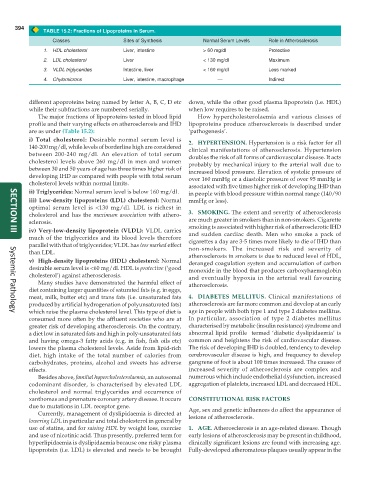
TABLE 15.2: Fractions of Lipoproteins in Serum.
Classes Sites of Synthesis Normal Serum Levels Role in Atherosclerosis
1. HDL cholesterol Liver, intestine > 60 mg/dl Protective
2. LDL cholesterol Liver < 130 mg/dl Maximum
3. VLDL triglycerides Intestine, liver < 160 mg/dl Less marked
4. Chylomicrons Liver, intestine, macrophage — Indirect
different apoproteins being named by letter A, B, C, D etc down, while the other good plasma lipoprotein (i.e. HDL)
while their subfractions are numbered serially. when low requires to be raised.
The major fractions of lipoproteins tested in blood lipid How hypercholesterolaemia and various classes of
profile and their varying effects on atherosclerosis and IHD lipoproteins produce atherosclerosis is described under
are as under (Table 15.2): ‘pathogenesis’.
i) Total cholesterol: Desirable normal serum level is 2. HYPERTENSION. Hypertension is a risk factor for all
140-200 mg/dl, while levels of borderline high are considered clinical manifestations of atherosclerosis. Hypertension
between 200-240 mg/dl. An elevation of total serum doubles the risk of all forms of cardiovascular disease. It acts
cholesterol levels above 260 mg/dl in men and women probably by mechanical injury to the arterial wall due to
between 30 and 50 years of age has three times higher risk of increased blood pressure. Elevation of systolic pressure of
developing IHD as compared with people with total serum over 160 mmHg or a diastolic pressure of over 95 mmHg is
cholesterol levels within normal limits. associated with five times higher risk of developing IHD than
ii) Triglycerides: Normal serum level is below 160 mg/dl. in people with blood pressure within normal range (140/90
iii) Low-density lipoproteins (LDL) cholesterol: Normal mmHg or less).
optimal serum level is <130 mg/dl. LDL is richest in
cholesterol and has the maximum association with athero- 3. SMOKING. The extent and severity of atherosclerosis
sclerosis. are much greater in smokers than in non-smokers. Cigarette
iv) Very-low-density lipoprotein (VLDL): VLDL carries smoking is associated with higher risk of atherosclerotic IHD
and sudden cardiac death. Men who smoke a pack of
SECTION III
much of the triglycerides and its blood levels therefore cigarettes a day are 3-5 times more likely to die of IHD than
parallel with that of triglycerides; VLDL has less marked effect non-smokers. The increased risk and severity of
than LDL. atherosclerosis in smokers is due to reduced level of HDL,
v) High-density lipoproteins (HDL) cholesterol: Normal deranged coagulation system and accumulation of carbon
desirable serum level is <60 mg/dl. HDL is protective (‘good monoxide in the blood that produces carboxyhaemoglobin
cholesterol’) against atherosclerosis. and eventually hypoxia in the arterial wall favouring
Many studies have demonstrated the harmful effect of atherosclerosis.
diet containing larger quantities of saturated fats (e.g. in eggs,
meat, milk, butter etc) and trans fats (i.e. unsaturated fats 4. DIABETES MELLITUS. Clinical manifestations of
produced by artificial hydrogenation of polyunsaturated fats) atherosclerosis are far more common and develop at an early
which raise the plasma cholesterol level. This type of diet is age in people with both type 1 and type 2 diabetes mellitus.
Systemic Pathology
consumed more often by the affluent societies who are at In particular, association of type 2 diabetes mellitus
greater risk of developing atherosclerosis. On the contrary, characterised by metabolic (insulin resistance) syndrome and
a diet low in saturated fats and high in poly-unsaturated fats abnormal lipid profile termed ‘diabetic dyslipidaemia’ is
and having omega-3 fatty acids (e.g. in fish, fish oils etc) common and heightens the risk of cardiovascular disease.
lowers the plasma cholesterol levels. Aside from lipid-rich The risk of developing IHD is doubled, tendency to develop
diet, high intake of the total number of calories from cerebrovascular disease is high, and frequency to develop
carbohydrates, proteins, alcohol and sweets has adverse gangrene of foot is about 100 times increased. The causes of
effects. increased severity of atherosclerosis are complex and
Besides above, familial hypercholesterolaemia, an autosomal numerous which include endothelial dysfunction, increased
codominant disorder, is characterised by elevated LDL aggregation of platelets, increased LDL and decreased HDL.
cholesterol and normal triglycerides and occurrence of
xanthomas and premature coronary artery disease. It occurs CONSTITUTIONAL RISK FACTORS
due to mutations in LDL receptor gene. Age, sex and genetic influences do affect the appearance of
Currently, management of dyslipidaemia is directed at
lowering LDL in particular and total cholesterol in general by lesions of atherosclerosis.
use of statins, and for raising HDL by weight loss, exercise 1. AGE. Atherosclerosis is an age-related disease. Though
and use of nicotinic acid. Thus presently, preferred term for early lesions of atherosclerosis may be present in childhood,
hyperlipidaemia is dyslipidaemia because one risky plasma clinically significant lesions are found with increasing age.
lipoprotein (i.e. LDL) is elevated and needs to be brought Fully-developed atheromatous plaques usually appear in the

