


Page 650 - Textbook of Pathology, 6th Edition
P. 650
634


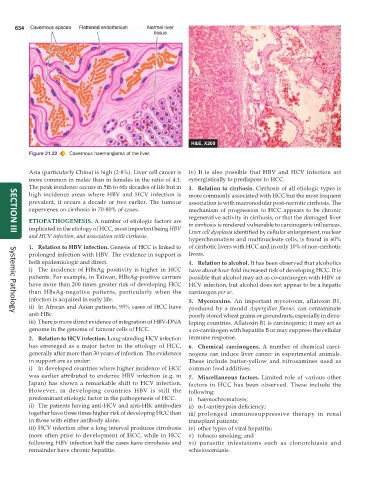
           Figure 21.32  Cavernous haemangioma of the liver.


           Asia (particularly China) is high (2-8%). Liver cell cancer is  iv) It is also possible that HBV and HCV infection act
           more common in males than in females in the ratio of 4:1.  synergistically to predispose to HCC.
           The peak incidence occurs in 5th to 6th decades of life but in  3. Relation to cirrhosis. Cirrhosis of all etiologic types is
           high incidence areas where HBV and HCV infection is  more commonly associated with HCC but the most frequent
           prevalent, it occurs a decade or two earlier. The tumour  association is with macronodular post-necrotic cirrhosis. The
           supervenes on cirrhosis in 70-80% of cases.         mechanism of progression to HCC appears to be chronic
                                                               regenerative activity in cirrhosis, or that the damaged liver
           ETIOPATHOGENESIS. A number of etiologic factors are  in cirrhosis is rendered vulnerable to carcinogenic influences.
           implicated in the etiology of HCC, most important being HBV
                                                               Liver cell dysplasia identified by cellular enlargement, nuclear
     SECTION III
           and HCV infection, and association with cirrhosis.
                                                               hyperchromatism and multinucleate cells, is found in 60%
           1. Relation to HBV infection. Genesis of HCC is linked to  of cirrhotic livers with HCC and in only 10% of non-cirrhotic
           prolonged infection with HBV. The evidence in support is  livers.
           both epidemiologic and direct.                      4. Relation to alcohol. It has been observed that alcoholics
           i) The incidence of HBsAg positivity is higher in HCC  have about four-fold increased risk of developing HCC. It is
           patients. For example, in Taiwan, HBsAg-positive carriers  possible that alcohol may act as co-carcinogen with HBV or
           have more than 200 times greater risk of developing HCC  HCV infection, but alcohol does not appear to be a hepatic
           than HBsAg-negative patients, particularly when the  carcinogen per se.
           infection is acquired in early life.                5. Mycotoxins. An important mycotoxin, aflatoxin B1,
           ii) In African and Asian patients, 95% cases of HCC have  produced by a mould  Aspergillus flavus, can contaminate
           anti-HBc.                                           poorly stored wheat grains or groundnuts, especially in deve-
     Systemic Pathology
           iii) There is more direct evidence of integration of HBV-DNA  loping countries. Aflatoxin B1 is carcinogenic; it may act as
           genome in the genome of tumour cells of HCC.        a co-carcinogen with hepatitis B or may suppress the cellular
           2. Relation to HCV infection. Long-standing HCV infection  immune response.
           has emereged as a major factor in the etiology of HCC,  6. Chemical carcinogens. A number of chemical carci-
           generally after more than 30 years of infection. The evidences  nogens can induce liver cancer in experimental animals.
           in support are as under:                            These include butter-yellow and nitrosamines used as
           i) In developed countries where higher incidence of HCC  common food additives.
           was earlier attributed to endemic HBV infection (e.g. in  7. Miscellaneous factors. Limited role of various other
           Japan) has shown a remarkable shift to HCV infection.  factors in HCC has been observed. These include the
           However, in developing countries HBV is still the   following:
           predominant etiologic factor in the pathogenesis of HCC.  i) haemochromatosis;
           ii) The patients having anti-HCV and anti-HBc antibodies  ii) α-1-antitrypsin deficiency;
           together have three times higher risk of developing HCC than  iii) prolonged immunosuppressive therapy in renal
           in those with either antibody alone.                transplant patients;
           iii) HCV infection after a long interval produces cirrohosis  iv) other types of viral hepatitis;
           more often prior to development of HCC, while in HCC  v) tobacco smoking; and
           following HBV infection half the cases have cirrohosis and  vi) parasitic infestations such as clonorchiasis and
           remainder have chronic hepatitis.                   schistosomiasis.

