


Page 554 - APPLIED PROCESS DESIGN FOR CHEMICAL AND PETROCHEMICAL PLANTS, Volume 1, 3rd Edition
P. 554
520 Applied Process Design for Chemical and Petrochemical Plants
Maximum Pressure During Venting .,.
l I I I I .,, 1>
.,. .,,
- Pstat=0.1 bar ga / ... ·�
' I 11111 /
I/
", Pred• bar ga »: ....-'.'.: � �,,
-, 0.25=..; --. I � � /0
0"
0.50� I".
<, 1.00 '\ �" .,, /'Z-
1.50�
<, 2.00 � � >< "'iJ'. �;-.,
.,
,.,,.,,
"' 'i.../ Pmax = 9 bar ga .... /_.,, ..,.,.... �;.,, �;
... � ><'-
,,
--
"' ).;: --- ,--- -- - ----- r > , ..... .,..,, .... /� '-'l'
�
.,.
.,.,..
" I;
I r-, / I/ L _...,.. I
I <, // � :;:., I
: �, � v T
I ' � I
i t-, I
10 0.1 0.01 1 10 100 1000
----Vent Area, m 2 Vessel Volume, m 3-------
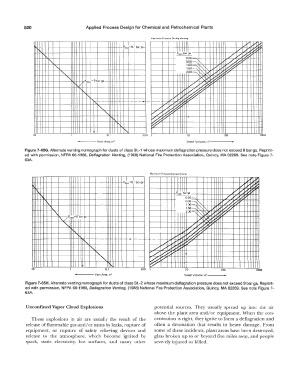
Figure 7-65G. Alternate venting nomograph for dusts of class St.-1 whose maximum deflagration pressure does not exceed 9 bar ga. Reprint-
ed with permission, NFPA 68-1988, Def/agration Venting, (1988) National Fire Protection Association, Quincy, MA 02269. See note Figure 7-
63A.
MaKimum Pre1sure Duriny Venting
I I ,,. �
Psto.t =0.1 bar ga v ... "" ....
� P,ed, bar ga / v ,,,,,,. ....
" ' 0.25� t-, .. '// :0
r: /1/ � .....
0.50-----,
"
1.00-
�--
' " - - f---- 2.00 , �" l"s I, ; i..." /..0
1.50-----,
,;;,.
'\
.,,,..
IVPmax•9 barga - r---..� -,- "' .... s>
I/ � >"'
<, - -: � i.:;);' ---
- ' ,,. .. r>: � ......
' :� - --- -,- - --- ----- - -- -- v ,; � v
y_µI'"
, ..... ,;
..... ,.,,
I r-, .. �/.. �,.,, �"' I
... ,.,, ,;
/ ......
/
f I -, � t
I <, � /"' I
�, s-: I
+ I
10 0.1 0.01 1 10 100 1000
----Vent Area, m 2 Vessel Volume, m 1----
Figure 7-65H. Alternate venting nomograph for dusts of class St.-2 whose maximum deflagration pressure does not exceed 9 bar ga. Reprint-
ed with permission, NFPA 68-1988, Def/agration Venting, (1988) National Fire Protection Association, Quincy, MA 02269. See note Figure 7-
63A.
Unconfined Vapor Cloud Explosions potential sources. They usually spread up into the air
above the plant area and/or equipment. When the con-
These explosions in air are usually the result of the centration is right, they ignite to form a deflagration and
release of flammable gas and/or mists by leaks, rupture of often a detonation that results in heavy damage. From
equipment, or rupture of safety relieving devices and some of these incidents, plant areas have been destroyed,
release to the atmosphere, which become ignited by glass broken up to or beyond five miles away, and people
spark, static electricity, hot surfaces, and many other severely injured or killed.

