


Page 366 - Hall et al (2015) Principles of Critical Care-McGraw-Hill
P. 366
236     PART 3: Cardiovascular Disorders


                                                                       increased, and although Q ˙ t usually increases further with intravenous
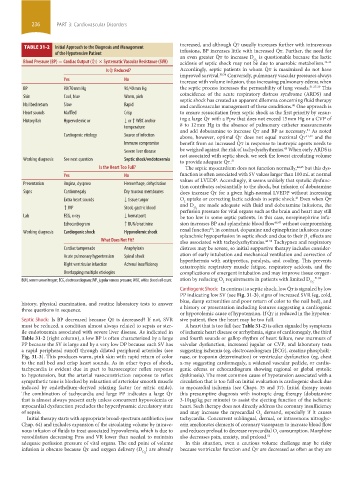
                   TABLE 31-2     Initial Approach to the Diagnosis and Management
                             of the Hypotensive Patient                infusions, BP increases little with increased Q ˙ t. Further, the need for
                                                                       an even greater Q ˙ t to increase D  is questionable because the lactic
                                         ˙
                  Blood Pressure (BP) = Cardiac Output (Qt) × Systematic Vascular Resistance (SVR)  acidosis of septic shock may not be due to anaerobic metabolism. 32-34
                                                                                                O 2
                                               ˙
                                              Is Qt Reduced?           Accordingly, septic patients in whom Q ˙ t is maximized do not have
                                                                       improved survival. 35,36  Conversely, pulmonary vascular pressures always
                                Yes                 No                 increase with volume infusion, thus increasing pulmonary edema when
                  BP            90/70 mm Hg         90/40 mm Hg        the septic process increases the permeability of lung vessels. 31,37-39  This
                                                                       coincidence of the acute respiratory distress syndrome (ARDS) and
                  Skin          Cool, blue          Warm, pink
                                                                       septic shock has created an apparent dilemma concerning fluid therapy
                  Nail bed return  Slow             Rapid              and cardiovascular management of these conditions.  One approach is
                                                                                                             40
                  Heart sounds  Muffled             Crisp              to ensure resuscitation from septic shock as the first priority by ensur-
                                                                       ing a large Q ˙ t with a Ppw that does not exceed 15 mm Hg or a CVP of
                  History/lab   Hypervolemic or     ↓ or ↑ WBC and/or
                                                    temperature        8 to  12 mm Hg in the absence  of pulmonary catheter  measurements
                                                                       and add dobutamine to increase Q ˙ t and BP as necessary.  As noted
                                                                                                                  31
                                Cardiogenic etiology  Source of infection  above,  however,  optimal  Q ˙ t  does  not  equal  maximal  Q ˙ t 41,42   and  the
                                                    Immune compromise  benefit from an increased Q ˙ t in response to inotropic agents needs to
                                                                                                           43
                                                    Severe liver disease  be weighed against the risk of tachydysrhythmias.  When early ARDS is
                                                                       not associated with septic shock, we seek the lowest circulating volume
                  Working diagnosis  See next question  Septic shock/endotoxemia
                                                                       to provide adequate Q ˙ t. 31
                                            Is the Heart Too Full?       The septic myocardium does not function normally, 44,45  but this dys-
                                Yes                 No                 function is often associated with SV values larger than 100 mL at normal
                                                                       values of LVEDP. Accordingly, it seems unlikely that systolic dysfunc-
                  Presentation  Angina, dyspnea     Hemorrhage, dehydration
                                                                       tion contributes substantially to the shock, but infusion of dobutamine
                  Signs         Cardiomegaly        Dry mucous membranes  does increase Q ˙ t for a given high-normal LVEDP without increasing
                                                                                                               41
                                Extra heart sounds  ↓ tissue turgor    O  uptake or correcting lactic acidosis in septic shock.  Even when Q ˙ t
                                                                         2
                                                                       and D  are made adequate with fluid and dobutamine infusions, the
                                ↑ JVP               Stool, gastric blood    O 2
                                                                       perfusion pressure for vital organs such as the brain and heart may still
                  Lab           ECG, x-ray          ↓ hematocrit       be too low in some septic patients. In this case, norepinephrine infu-
                                Echocardiogram      ↑ BUN/creatinine   sion increases BP and splanchnic blood flow 46,47  without compromising
                                                                       renal function ; in contrast, dopamine and epinephrine infusions cause
                                                                                 48
                  Working diagnosis  Cardiogenic shock  Hypovolemic shock
                                                                       splanchnic hypoperfusion in septic shock and due to their β  effects are
                                                                                                                   1
                                            What Does Not Fit?         also associated with tachydysrhythmias. 46-50  Tachypnea and respiratory
                                Cardiac tamponade   Anaphylaxis        distress may be severe, so initial supportive therapy includes consider-
                                Acute pulmonary hypertension  Spinal shock  ation of early intubation and mechanical ventilation and correction of
                                                                       hyperthermia with antipyretics, paralysis, and cooling. This prevents
                                Right ventricular infarction  Adrenal insufficiency  catastrophic  respiratory  muscle  fatigue,  respiratory  acidosis,  and  the
                                Overlapping multiple etiologies        complications of emergent intubation and may improve tissue oxygen-
                 BUN, serum urea nitrogen; ECG, electrocardiogram; JVP, jugular venous pressure; WBC, white blood cell count.  ation by reducing O  requirements in patients with limited D . 51,52
                                                                                      2
                                                                                                                    O 2
                                                                       Cardiogenic Shock:  In contrast to septic shock, low Q ˙ t is signaled by low
                                                                       PP indicating low SV (see Fig. 31-3), signs of increased SVR (eg, cold,
                 history, physical examination,  and routine laboratory tests to answer   blue, damp extremities and poor return of color to the nail bed), and
                 three questions in sequence.                          a history or presentation including features suggesting a cardiogenic
                                                                       or hypovolemic cause of hypotension. If Q ˙ t is reduced in the hypoten-
                 Septic Shock:  Is BP decreased because Q ˙ t is decreased? If not, SVR   sive patient, then the heart may be too full.
                 must be reduced, a condition almost always related to sepsis or ster-  A heart that is too full (see Table 31-2) is often signaled by symptoms
                 ile endotoxemia associated with severe liver disease. As indicated in   of ischemic heart disease or arrhythmia, signs of cardiomegaly, the third
                 Table 31-2 (right column), a low BP is often characterized by a large   and fourth sounds or gallop rhythm of heart failure, new murmurs of
                 PP because the SV is large and by a very low DP because each SV has   valvular  dysfunction,  increased  jugular  or  CVP,  and  laboratory  tests
                 a rapid peripheral runoff through dilated peripheral arterioles (see   suggesting ischemia (eg, electrocardiogram [ECG], creatine phosphoki-
                 Fig. 31-3). This produces warm, pink skin with rapid return of color   nase, or troponin determination) or ventricular dysfunction (eg, chest
                 to the nail bed and crisp heart sounds. As in other types of shock,   x-ray suggesting cardiomegaly, a widened vascular pedicle, or cardio-
                 tachycardia is evident due in part to baroreceptor reflex response   genic edema or echocardiogram showing regional or global systolic
                 to hypotension, but the arterial vasoconstriction response to reflex   dyskinesia). The most common cause of hypotension associated with a
                 sympathetic tone is blocked by relaxation of arteriolar smooth muscle   circulation that is too full on initial evaluation is cardiogenic shock due
                 induced by endothelium-derived relaxing factor (or nitric oxide).   to myocardial ischemia (see Chaps.  35 and  37). Initial therapy treats
                 The combination of tachycardia and large PP indicates a large Q ˙ t   this presumptive diagnosis with inotropic drug therapy (dobutamine
                 that is almost always present early unless concurrent hypovolemia or   3-10 µg/kg per minute) to assist the ejecting function of the ischemic
                 myocardial dysfunction precludes the hyperdynamic circulatory state   heart. Such therapy does not directly address the coronary insufficiency
                 of sepsis.                                            and may increase the myocardial O  demand, especially if it causes
                                                                                                   2
                   Initial therapy starts with appropriate broad-spectrum antibiotics (see   tachycardia. Concurrent sublingual, dermal, or intravenous nitroglyc-
                 Chap. 64) and includes expansion of the circulating volume by intrave-  erin ameliorates elements of coronary vasospasm to increase blood flow
                 nous infusion of fluids to treat associated hypovolemia, which is due to   and reduces preload to decrease myocardial O  consumption. Morphine
                                                                                                        2
                 venodilation decreasing Pms and VR lower than needed to maintain   also decreases pain, anxiety, and preload. 53
                 adequate perfusion pressure of vital organs. The end point of volume   In this situation, even a cautious volume challenge may be risky
                 infusion is obscure because Q ˙ t and oxygen delivery (D ) are already   because ventricular function and Q ˙ t are decreased as often as they are
                                                          O 2


            section03.indd   236                                                                                       1/23/2015   2:06:43 PM

