


Page 209 - The Netter Collection of Medical Illustrations - Integumentary System_ Volume 4 ( PDFDrive )
P. 209
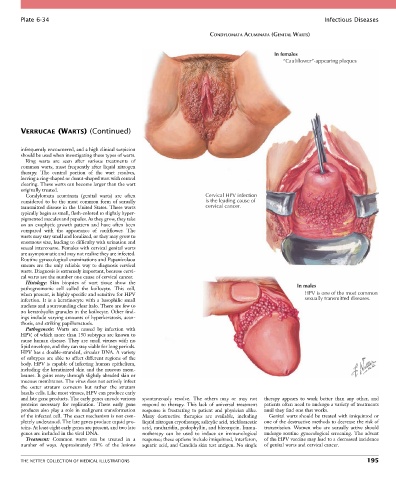
Plate 6-34                                                                                               Infectious Diseases

                                                                         CONDYLOMATA ACUMINATA (GENITAL WARTS)


                                                                                                In females
                                                                                                   “Cauliflower”-appearing plaques


        VERRUCAE (WARTS) (Continued)


        infrequently encountered, and a high clinical suspicion
        should be used when investigating these types of warts.
          Ring  warts  are  seen  after  various  treatments  of
        common  warts,  most  frequently  after  liquid  nitrogen
        therapy.  The  central  portion  of  the  wart  resolves,
        leaving a ring-shaped or donut-shaped wart with central
        clearing. These warts can become larger than the wart
        originally treated.
          Condylomata  acuminata  (genital  warts)  are  often          Cervical HPV infection
        considered  to  be  the  most  common  form  of  sexually       is the leading cause of
        transmitted disease in the United States. These warts           cervical cancer.
        typically begin as small, flesh-colored to slightly hyper-
        pigmented macules and papules. As they grow, they take
        on  an  exophytic  growth  pattern  and  have  often  been
        compared  with  the  appearance  of  cauliflower.  The
        warts may stay small and localized, or they may grow to
        enormous size, leading to difficulty with urination and
        sexual intercourse. Females with cervical genital warts
        are asymptomatic and may not realize they are infected.
        Routine gynecological examinations and Papanicolaou
        smears are the only reliable way to diagnosis cervical
        warts. Diagnosis is extremely important, because cervi-
        cal warts are the number one cause of cervical cancer.
          Histology:  Skin  biopsies  of  wart  tissue  show  the
        pathognomonic  cell  called  the  koilocyte.  This  cell,                                       In males
        when present, is highly specific and sensitive for HPV                                            HPV is one of the most common
        infection.  It  is  a  keratinocyte  with  a  basophilic  small                                   sexually transmitted diseases.
        nucleus and a surrounding clear halo. There are few to
        no keratohyalin granules in the koilocyte. Other find-
        ings include varying amounts of hyperkeratosis, acan-
        thosis, and striking papillomatosis.
          Pathogenesis:  Warts  are  caused  by  infection  with
        HPV, of which more than 150 subtypes are known to
        cause  human  disease.  They  are  small  viruses  with  no
        lipid envelope, and they can stay viable for long periods.
        HPV has a double-stranded, circular DNA. A variety
        of subtypes are able to affect different regions of the
        body. HPV is capable of infecting human epithelium,
        including  the  keratinized  skin  and  the  mucous  mem-
        branes. It gains entry through slightly abraded skin or
        mucous membranes. The virus does not actively infect
        the  outer  stratum  corneum  but  rather  the  stratum
        basalis cells. Like most viruses, HPV can produce early
        and late gene products. The early genes encode various   spontaneously  resolve.  The  others  may  or  may  not   therapy  appears  to  work  better  than  any  other,  and
        proteins  necessary  for  replication.  These  early  gene   respond  to  therapy.  This  lack  of  universal  treatment   patients often need to undergo a variety of treatments
        products also play a role in malignant transformation   response  is  frustrating  to  patient  and  physician  alike.   until they find one that works.
        of the infected cell. The exact mechanism is not com-  Many  destructive  therapies  are  available,  including   Genital warts should be treated with imiquimod or
        pletely understood. The late genes produce capsid pro-  liquid nitrogen cryotherapy, salicylic acid, trichloracetic   one of the destructive methods to decrease the risk of
        teins. At least eight early genes are present, and two late   acid, cantharidin, podophyllin, and bleomycin. Immu-  transmission.  Women  who  are  sexually  active  should
        genes are included in the viral DNA.      notherapy  can  be  used  to  induce  an  immunological   undergo routine gynecological screening. The advent
          Treatment:  Common  warts  can  be  treated  in  a   response; these options include imiquimod, interferon,   of the HPV vaccine may lead to a decreased incidence
        number  of  ways.  Approximately  50%  of  the  lesions   squaric acid, and Candida skin test antigen. No single   of genital warts and cervical cancer.


        THE NETTER COLLECTION OF MEDICAL ILLUSTRATIONS                                                                          195

