


Page 225 - The Netter Collection of Medical Illustrations - Integumentary System_ Volume 4 ( PDFDrive )
P. 225
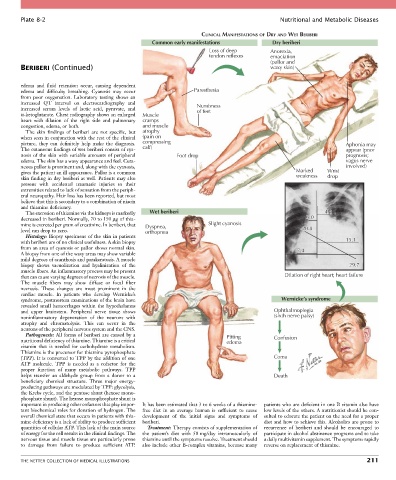
Plate 8-2                                                                                 Nutritional and Metabolic Diseases

                                                                       CLINICAL MANIFESTATIONS OF DRY AND WET BERIBERI
                                                      Common early manifestations              Dry beriberi
                                                                         Loss of deep         Anorexia,
                                                                         tendon reflexes      emaciation
                                                                                              (pallor and
        BERIBERI (Continued)                                                                  waxy skin)


        edema  and  fluid  retention  occur,  causing  dependent
        edema  and  difficulty  breathing.  Cyanosis  may  occur    Paresthesia
        from  poor  oxygenation.  Laboratory  testing  shows  an
        increased  QT  interval  on  electrocardiography  and        Numbness
        increased  serum  levels  of  lactic  acid,  pyruvate,  and   of feet
        α-ketoglutarate. Chest radiography shows an enlarged   Muscle
        heart  with  dilation  of  the  right  side  and  pulmonary   cramps
        congestion, edema, or both.               and muscle
          The  skin  findings  of  beriberi  are  not  specific,  but   atrophy
        when seen in conjunction with the rest of the clinical   (pain on
        picture,  they  can  definitely  help  make  the  diagnosis.   compressing                                      Aphonia may
        The cutaneous findings of wet beriberi consist of cya-  calf)                                                   appear (poor
        nosis  of  the  skin  with  variable  amounts  of  peripheral   Foot drop                                       prognosis;
        edema. The skin has a waxy appearance and feel. Cuta-                                                           vagus nerve
        neous pallor is prominent and, along with the cyanosis,                                                         involved)
        gives the patient an ill appearance. Pallor is a common                                        Marked     Wrist
        skin finding in dry beriberi as well. Patients may also                                        weakness   drop
        present  with  accidental  traumatic  injuries  to  their
        extremities related to lack of sensation from the periph-
        eral neuropathy. Hair loss has been reported, but most
        believe that this is secondary to a combination of niacin
        and thiamine deficiency.
          The excretion of thiamine via the kidneys is markedly   Wet beriberi                                   4.8
        decreased in beriberi. Normally, 70 to 150 µg of thia-                                             3.0
        mine is excreted per gram of creatinine. In beriberi, that   Dyspnea,  Slight cyanosis
        level can drop to zero.                    orthopnea                                             20.8
          Histology: Biopsy specimens of the skin in patients
        with beriberi are of no clinical usefulness. A skin biopsy                                                      15.1
        from an area of cyanosis or pallor shows normal skin.                                           7.4
        A biopsy from one of the waxy areas may show variable
        mild degrees of acanthosis and parakeratosis. A muscle
        biopsy  shows  vacuolization  and  hyalinization  of  the                                                         29.7
        muscle fibers. An inflammatory process may be present
        that can cause varying degrees of necrosis of the muscle.                                  Dilation of right heart; heart failure
        The  muscle  fibers  may  show  diffuse  or  focal  fiber
        necrosis.  These  changes  are  most  prominent  in  the
        cardiac  muscle.  In  patients  who  develop  Wernicke’s
        syndrome, postmortem examinations of the brain have                                       Wernicke’s syndrome
        revealed  small  hemorrhages  within  the  hypothalamus
        and  upper  brainstem.  Peripheral  nerve  tissue  shows                                Ophthalmoplegia
        noninflammatory  degeneration  of  the  neurons  with                                   (sixth nerve palsy)
        atrophy  and  chromatolysis.  This  can  occur  in  the
        neurons of the peripheral nervous system and the CNS.
          Pathogenesis: All forms of beriberi are caused by a                  Pitting
        nutritional deficiency of thiamine. Thiamine is a critical             edema            Confusion
        vitamin  that  is  needed  for  carbohydrate  metabolism.
        Thiamine is the precursor for thiamine pyrophosphate
        (TPP). It is converted to TPP by the addition of one                                    Coma
        ATP  molecule.  TPP  is  needed  as  a  cofactor  for  the
        proper  function  of  many  metabolic  pathways.  TPP
        helps  transfer  an  aldehyde  group  from  a  donor  to  a                             Death
        beneficiary  chemical  structure.  Three  major  energy-
        producing pathways are modulated by TPP: glycolysis,
        the Krebs cycle, and the pentose shunt (hexose mono-
        phosphate shunt). The hexose monophosphate shunt is
        important in producing other cofactors that play impor-  It has been estimated that 3 to 6 weeks of a thiamine-  patients who are deficient in one B vitamin also have
        tant biochemical roles for donation of hydrogen. The   free  diet  in  an  average  human  is  sufficient  to  cause   low levels of the others. A nutritionist should be con-
        overall chemical state that occurs in patients with thia-  development  of  the  initial  signs  and  symptoms  of   sulted to educate the patient on the need for a proper
        mine deficiency is a lack of ability to produce sufficient   beriberi.              diet and how to achieve this. Alcoholics are prone to
        quantities of cellular ATP. This lack of the main source   Treatment: Therapy consists of supplementation of   recurrence  of  beriberi  and  should  be  encouraged  to
        of energy for the cell results in the clinical findings. The   the  patient’s  diet  with  50 mg/day  intramuscularly  of   participate in alcohol abstinence programs and to take
        nervous tissue and muscle tissue are particularly prone   thiamine until the symptoms resolve. Treatment should   a daily multivitamin supplement. The symptoms rapidly
        to  damage  from  failure  to  produce  sufficient  ATP.     also include other B-complex vitamins, because many   reverse on replacement of thiamine.


        THE NETTER COLLECTION OF MEDICAL ILLUSTRATIONS                                                                          211

