


Page 1829 - Hall et al (2015) Principles of Critical Care-McGraw-Hill
P. 1829
1298     PART 11: Special Problems in Critical Care


                                                                       of cleavage. Pathologic findings are outlined in Table 129-11. Biopsies
                                                                       at the border of a blister and normal skin should also be sent for routine
                                                                       processing. Cultures from blisters are negative because of the toxin-
                                                                       mediated nature of the disease.
                                                                         Treatment of SSSS requires appropriate antibiotics and careful moni-
                                                                       toring of fluids and electrolytes. An antibiotic with activity against
                                                                       β-lactamase–producing  S aureus is recommended. Topical antibiotics
                                                                       are not necessary. Adjunctive measures include the application of bland
                                                                       lubricants for the patient’s comfort. Healing occurs in 7 to 10 days.
                                                                           ■  PSEUDOMONAS BACTEREMIA

                                                                       Several skin manifestations of  Pseudomonas bacteremia have been
                                                                       described, and fall into four general categories.  The first is ecthyma
                                                                                                          108
                                                                       gangrenosum (Fig. 129-28), which is characterized by a localized, ery-
                                                                       thematous, tender plaque or bulla that subsequently develops central
                                                                       necrosis, leaving a gangrenous eschar with an erythematous annular
                                                                       border. The lesions can occur anywhere but are usually found in the
                                                                       anogenital region, buttocks, or axilla.  Ecthyma gangrenosum occurs
                                                                                                   109
                                                                       in approximately 5% of patients with Pseudomonas bacteremia and has
                                                                       been described in association with localized  Pseudomonas infection
                                                                       without bacteremia. The second category includes vesicles or bullae that
                                                                       can occur anywhere and may occur singly or in clusters. These lesions
                                                                       frequently become hemorrhagic and take on the appearance of ecthyma
                                                                       gangrenosum lesions when ruptured. The third category is cellulitis with
                                                                       a sharply demarcated border, unlike cellulitis caused by staphylococ-
                                                                       cal or streptococcal infection, which tends to have ill-defined borders.
                                                                       The fourth category of lesions comprises small pink, round plaques or
                                                                       subcutaneous nodules that are concentrated on the trunk and proximal
                                                                       extremities. The nodules are considered a form of nodular cellulitis and,
                                                                       when incised and drained, grow  Pseudomonas aeruginosa in culture.
                                                                       Pseudomonas aeruginosa bacteremia carries a high mortality rate and
                                                                       appropriate antimicrobial treatment should be initiated early.
                                                                           ■  MENINGOCOCCEMIA


                                                                       Acute infection with the gram-negative diplococcus Neisseria meningiti-
                                                                       dis is associated with characteristic cutaneous findings, which may aid
                                                                       in the early diagnosis of this rapidly fatal disease. Cutaneous findings
                                                                       are present in more than 70% of meningococcemia cases. Characteristic
                                                                       findings include petechiae, ecchymoses, and palpable purpura. Petechiae
                                                                       may have a smudged appearance and tend to be concentrated on the
                                                                       trunk, proximal extremities, and mucosal surfaces (Fig. 129-29). The
                                                                       number of petechiae correlates with the degree of thrombocytopenia
                                                                       and is indistinguishable from other causes of petechiae, such as diffuse


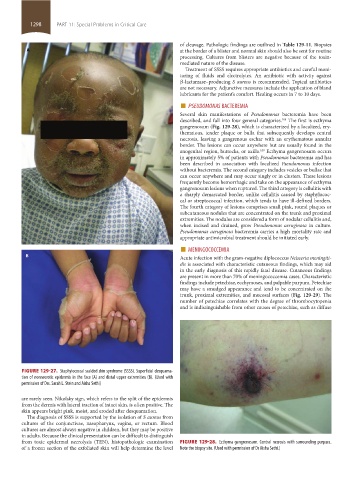
                 FIGURE 129-27.  Staphylococcal scalded skin syndrome (SSSS). Superficial desquama-
                 tion of nonnecrotic epidermis in the face (A) and distal upper extremities (B). (Used with
                 permission of Drs. Sarah L. Stein and Aisha Sethi)

                 are rarely seen. Nikolsky sign, which refers to the split of the epidermis
                 from the dermis with lateral traction of intact skin, is often positive. The
                 skin appears bright pink, moist, and eroded after desquamation.
                   The diagnosis of SSSS is supported by the isolation of S aureus from
                 cultures of the conjunctivae, nasopharynx, vagina, or rectum. Blood
                 cultures are almost always negative in children, but they may be positive
                 in adults. Because the clinical presentation can be difficult to distinguish
                 from toxic epidermal necrolysis (TEN), histopathologic examination   FIGURE 129-28.  Ecthyma gangrenosum. Central necrosis with surrounding purpura.
                 of a frozen section of the exfoliated skin will help determine the level    Note the biopsy site. (Used with permission of Dr Aisha Sethi.)


            section11.indd   1298                                                                                      1/19/2015   10:55:27 AM

