


Page 52 - Review of Medical Microbiology and Immunology ( PDFDrive )
P. 52
mebooksfree.com
mebooksfree.com
mebooksfree.com
mebooksfree.com
mebooksfree.com
mebooksfree.com
mebooksfree.com
mebooksfree.com
mebooksfree.com mebooksfree.com Exotoxin synthesized as a single polypeptide (molecular weight 41 mebooksfree.com
mebooksfree.com
CHAPTER 7 Pathogenesis
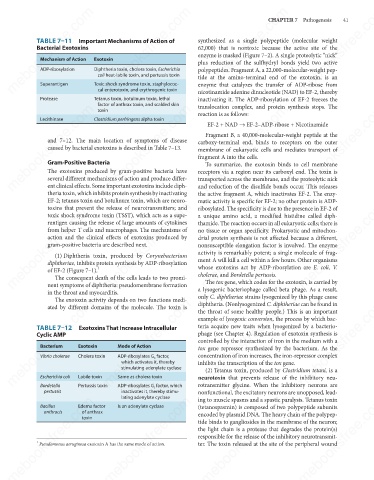
TABLE 7–11 Important Mechanisms of Action of
62,000) that is nontoxic because the active site of the
Bacterial Exotoxins
enzyme is masked (Figure 7–2). A single proteolytic “nick”
Mechanism of Action
plus reduction of the sulfhydryl bonds yield two active
polypeptides. Fragment A, a 22,000-molecular-weight pep-
Diphtheria toxin, cholera toxin, Escherichia
ADP-ribosylation
coli heat-labile toxin, and pertussis toxin
enzyme that catalyzes the transfer of ADP-ribose from
Superantigen
cal enterotoxin, and erythrogenic toxin
nicotinamide adenine dinucleotide (NAD) to EF-2, thereby
inactivating it. The ADP-ribosylation of EF-2 freezes the
Protease Toxic shock syndrome toxin, staphylococ- tide at the amino-terminal end of the exotoxin, is an
Tetanus toxin, botulinum toxin, lethal
factor of anthrax toxin, and scalded skin
mebooksfree.com
mebooksfree.com mebooksfree.com mebooksfree.com carboxy-terminal end, binds to receptors on the outer mebooksfree.com
translocation complex, and protein synthesis stops. The
mebooksfree.com
toxin
reaction is as follows:
Clostridium perfringens alpha toxin
Lecithinase
EF-2 + NAD → EF-2–ADP-ribose + Nicotinamide
Fragment B, a 40,000-molecular-weight peptide at the
and 7–12. The main location of symptoms of disease
caused by bacterial exotoxins is described in Table 7–13.
membrane of eukaryotic cells and mediates transport of
fragment A into the cells.
Gram-Positive Bacteria
To summarize, the exotoxin binds to cell membrane
The exotoxins produced by gram-positive bacteria have
receptors via a region near its carboxyl end. The toxin is
several different mechanisms of action and produce differ-
ent clinical effects. Some important exotoxins include diph-
and reduction of the disulfide bonds occur. This releases
theria toxin, which inhibits protein synthesis by inactivating
the active fragment A, which inactivates EF-2. The enzy-
EF-2; tetanus toxin and botulinum toxin, which are neuro- transported across the membrane, and the proteolytic nick
matic activity is specific for EF-2; no other protein is ADP-
mebooksfree.com mebooksfree.com 1 mebooksfree.com no tissue or organ specificity. Prokaryotic and mitochon- mebooksfree.com
mebooksfree.com
mebooksfree.com
toxins that prevent the release of neurotransmitters; and
ribosylated. The specificity is due to the presence in EF-2 of
toxic shock syndrome toxin (TSST), which acts as a supe-
a unique amino acid, a modified histidine called diph-
rantigen causing the release of large amounts of cytokines
thamide. The reaction occurs in all eukaryotic cells; there is
from helper T cells and macrophages. The mechanisms of
action and the clinical effects of exotoxins produced by
drial protein synthesis is not affected because a different,
gram-positive bacteria are described next.
nonsusceptible elongation factor is involved. The enzyme
activity is remarkably potent; a single molecule of frag-
(1) Diphtheria toxin, produced by Corynebacterium
ment A will kill a cell within a few hours. Other organisms
diphtheriae, inhibits protein synthesis by ADP-ribosylation
whose exotoxins act by ADP-ribosylation are E. coli, V.
of EF-2 (Figure 7–1).
The consequent death of the cells leads to two promi-
The tox gene, which codes for the exotoxin, is carried by
nent symptoms of diphtheria: pseudomembrane formation
a lysogenic bacteriophage called beta phage. As a result,
in the throat and myocarditis. cholerae, and Bordetella pertussis.
only C. diphtheriae strains lysogenized by this phage cause
The exotoxin activity depends on two functions medi-
mebooksfree.com
mebooksfree.com
mebooksfree.com mebooksfree.com Mode of Action example of lysogenic conversion, the process by which bac- mebooksfree.com
Pertussis toxinmebooksfree.com
diphtheria. (Nonlysogenized C. diphtheriae can be found in
ated by different domains of the molecule. The toxin is
the throat of some healthy people.) This is an important
teria acquire new traits when lysogenized by a bacterio-
TABLE 7–12 Exotoxins That Increase Intracellular
phage (see Chapter 4). Regulation of exotoxin synthesis is
Cyclic AMP
controlled by the interaction of iron in the medium with a
Bacterium
Exotoxin
tox gene repressor synthesized by the bacterium. As the
concentration of iron increases, the iron-repressor complex
ADP-ribosylates G s factor,
Cholera toxin
Vibrio cholerae
inhibits the transcription of the tox gene.
which activates it, thereby
stimulating adenylate cyclase
(2) Tetanus toxin, produced by Clostridium tetani, is a
Escherichia coli
rotransmitter glycine. When the inhibitory neurons are
ADP-ribosylates G i factor, which
Bordetella
nonfunctional, the excitatory neurons are unopposed, lead-
pertussis Labile toxin Same as cholera toxin neurotoxin that prevents release of the inhibitory neu-
inactivates it, thereby stimu-
lating adenylate cyclase
mebooksfree.com mebooksfree.com mebooksfree.com tide binds to gangliosides in the membrane of the neuron; mebooksfree.com
mebooksfree.com
mebooksfree.com
ing to muscle spasms and a spastic paralysis. Tetanus toxin
Edema factor
Bacillus
Is an adenylate cyclase
(tetanospasmin) is composed of two polypeptide subunits
anthracis
of anthrax
encoded by plasmid DNA. The heavy chain of the polypep-
toxin
the light chain is a protease that degrades the protein(s)
responsible for the release of the inhibitory neurotransmit-
ter. The toxin released at the site of the peripheral wound
1
Pseudomonas aeruginosa exotoxin A has the same mode of action.
mebooksfree.com mebooksfree.com mebooksfree.com mebooksfree.com mebooksfree.com mebooksfree.com

