


Page 313 - Textbook of Pathology, 6th Edition
P. 313
297
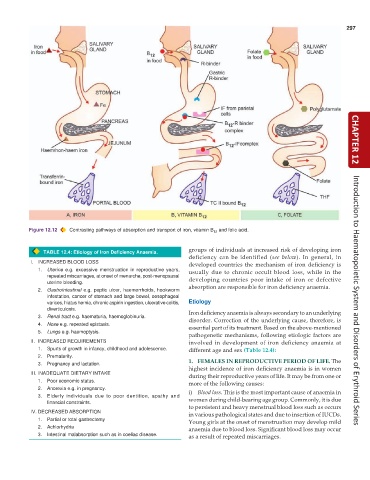
Figure 12.12 Contrasting pathways of absorption and transport of iron, vitamin B and folic acid. CHAPTER 12
12
groups of individuals at increased risk of developing iron
TABLE 12.4: Etiology of Iron Deficiency Anaemia.
deficiency can be identified (see below). In general, in
I. INCREASED BLOOD LOSS developed countries the mechanism of iron deficiency is
1. Uterine e.g. excessive menstruation in reproductive years, usually due to chronic occult blood loss, while in the
repeated miscarriages, at onset of menarche, post-menopausal developing countries poor intake of iron or defective
uterine bleeding.
absorption are responsible for iron deficiency anaemia.
2. Gastrointestinal e.g. peptic ulcer, haemorrhoids, hookworm
infestation, cancer of stomach and large bowel, oesophageal
varices, hiatus hernia, chronic aspirin ingestion, ulcerative colitis, Etiology Introduction to Haematopoietic System and Disorders of Erythroid Series
diverticulosis. Iron deficiency anaemia is always secondary to an underlying
3. Renal tract e.g. haematuria, haemoglobinuria. disorder. Correction of the underlying cause, therefore, is
4. Nose e.g. repeated epistaxis. essential part of its treatment. Based on the above-mentioned
5. Lungs e.g. haemoptysis.
pathogenetic mechanisms, following etiologic factors are
II. INCREASED REQUIREMENTS involved in development of iron deficiency anaemia at
1. Spurts of growth in infancy, childhood and adolescence. different age and sex (Table 12.4):
2. Prematurity.
3. Pregnancy and lactation. 1. FEMALES IN REPRODUCTIVE PERIOD OF LIFE. The
highest incidence of iron deficiency anaemia is in women
III. INADEQUATE DIETARY INTAKE
during their reproductive years of life. It may be from one or
1. Poor economic status. more of the following causes:
2. Anorexia e.g. in pregnancy.
i) Blood loss. This is the most important cause of anaemia in
3. Elderly individuals due to poor dentition, apathy and women during child-bearing age group. Commonly, it is due
financial constraints.
to persistent and heavy menstrual blood loss such as occurs
IV. DECREASED ABSORPTION in various pathological states and due to insertion of IUCDs.
1. Partial or total gastrectomy Young girls at the onset of menstruation may develop mild
2. Achlorhydria anaemia due to blood loss. Significant blood loss may occur
3. Intestinal malabsorption such as in coeliac disease. as a result of repeated miscarriages.

