


Page 461 - Textbook of Pathology, 6th Edition
P. 461
Microscopically, the vegetations in NBTE are composed ETIOLOGY. All cases of BE are caused by infection with 445
of fibrin along with entangled RBCs, WBCs and platelets. microorganisms in patients having certain predisposing
Vegetations in NBTE are sterile, bland and do not cause factors.
tissue destruction. The underlying valve shows swollen A. Infective agents. About 90% cases of BE are caused by
collagen, fibrinoid change and capillary proliferation but streptococci and staphylococci.
does not show any inflammatory infiltrate. In ABE, the most common causative organisms are viru-
lent strains of staphylococci, chiefly Staphylococcus aureus.
Embolic phenomenon is seen in many cases of NBTE and
results in infarcts in the brain, lungs, spleen and kidneys. Others are pneumococci, gonococci, β-streptococci and
enterococci.
The bland vegetations of NBTE on infection may produce
bacterial endocarditis. In SABE, the commonest causative organisms are the
streptococci with low virulence, predominantly Streptococcus
INFECTIVE (BACTERIAL) ENDOCARDITIS viridans, which forms part of normal flora of the mouth and
pharynx. Other less common etiologic agents include other
DEFINITION. Infective or bacterial endocarditis (IE or BE) strains of streptococci and staphylococci (e.g. Streptococcus
is serious infection of the valvular and mural endocardium bovis which is the normal inhabitant of gastrointestinal tract,
caused by different forms of microorganisms and is Streptococcus pneumoniae, and Staphylococcus epidermidis which
characterised by typical infected and friable vegetations. A is a commensal of the skin), gram-negative enteric bacilli (e.g.
few specific forms of IE are named by the microbial etiologic E. coli, Klebsiella, Pseudomonas and Salmonella), pneumococci,
agent causing them e.g. tubercle bacilli, fungi etc. Depending gonococci and Haemophilus influenzae.
upon the severity of infection, BE is subdivided into 2 clinical
forms: B. Predisposing factors. There are 3 main factors which
predispose to the development of both forms of BE:
1. Acute bacterial endocarditis (ABE) is fulminant and 1. Conditions initiating transient bacteraemia, septicaemia
destructive acute infection of the endocardium by highly and pyaemia.
virulent bacteria in a previously normal heart and almost
invariably runs a rapidly fatal course in a period of 2-6 weeks. 2. Underlying heart disease.
3. Impaired host defenses. CHAPTER 16
2. Subacute bacterial endocarditis (SABE) or endocarditis
lenta (lenta = slow) is caused by less virulent bacteria in a 1. Bacteraemia, septicaemia and pyaemia: Bacteria gain entrance
previously diseased heart and has a gradual downhill course to the bloodstream causing transient and clinically silent
in a period of 6 weeks to a few months and sometimes years. bacteraemia in a variety of day-to-day procedures as well as
Although classification of bacterial endocarditis into acute from other sources of infection. Some of the common
and subacute forms has been largely discarded because the examples are:
clinical course is altered by antibiotic treatment, still a few i) Periodontal infections such as trauma from vigorous The Heart
important distinguishing features are worth describing brushing of teeth, hard chewing, tooth extraction and other
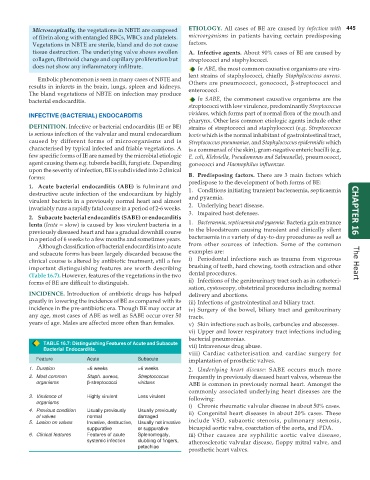
(Table 16.7). However, features of the vegetations in the two dental procedures.
forms of BE are difficult to distinguish. ii) Infections of the genitourinary tract such as in catheteri-
sation, cystoscopy, obstetrical procedures including normal
INCIDENCE. Introduction of antibiotic drugs has helped delivery and abortions.
greatly in lowering the incidence of BE as compared with its iii) Infections of gastrointestinal and biliary tract.
incidence in the pre-antibiotic era. Though BE may occur at iv) Surgery of the bowel, biliary tract and genitourinary
any age, most cases of ABE as well as SABE occur over 50 tracts.
years of age. Males are affected more often than females. v) Skin infections such as boils, carbuncles and abscesses.
vi) Upper and lower respiratory tract infections including
bacterial pneumonias.
TABLE 16.7: Distinguishing Features of Acute and Subacute vii) Intravenous drug abuse.
Bacterial Endocarditis.
viii) Cardiac catheterisation and cardiac surgery for
Feature Acute Subacute implantation of prosthetic valves.
1. Duration <6 weeks >6 weeks 2. Underlying heart disease: SABE occurs much more
2. Most common Staph. aureus, Streptococcus frequently in previously diseased heart valves, whereas the
organisms β-streptococci viridans ABE is common in previously normal heart. Amongst the
commonly associated underlying heart diseases are the
3. Virulence of Highly virulent Less virulent following:
organisms i) Chronic rheumatic valvular disease in about 50% cases.
4. Previous condition Usually previously Usually previously ii) Congenital heart diseases in about 20% cases. These
of valves normal damaged
5. Lesion on valves Invasive, destructive, Usually not invasive include VSD, subaortic stenosis, pulmonary stenosis,
suppurative or suppurative bicuspid aortic valve, coarctation of the aorta, and PDA.
6. Clinical features Features of acute Splenomegaly, iii) Other causes are syphilitic aortic valve disease,
systemic infection clubbing of fingers, atherosclerotic valvular disease, floppy mitral valve, and
petechiae
prosthetic heart valves.

