


Page 712 - Textbook of Pathology, 6th Edition
P. 712
696


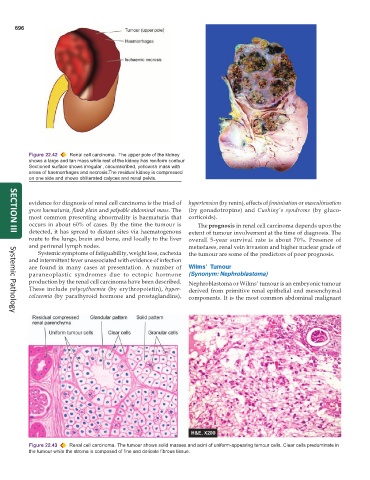
           Figure 22.42  Renal cell carcinoma.  The upper pole of the kidney
           shows a large and tan mass while rest of the kidney has reniform contour
                                                             .
           Sectioned surface shows irregular , circumscribed, yellowish mass with
           areas of haemorrhages and necrosis. The residual kidney is compressed
           on one side and shows obliterated calyces and renal pelvis.


           evidence for diagnosis of renal cell carcinoma is the triad of  hypertension (by renin), effects of feminisation or masculinisation
           gross haematuria, flank plain and palpable abdominal mass. The  (by gonadotropins) and  Cushing’s syndrome (by gluco-
           most common presenting abnormality is haematuria that  corticoids).
           occurs in about 60% of cases. By the time the tumour is  The prognosis in renal cell carcinoma depends upon the
           detected, it has spread to distant sites via haematogenous  extent of tumour involvement at the time of diagnosis. The
     SECTION III
           route to the lungs, brain and bone, and locally to the liver  overall 5-year survival rate is about 70%. Presence of
           and perirenal lymph nodes.                          metastases, renal vein invasion and higher nuclear grade of
              Systemic symptoms of fatiguability, weight loss, cachexia  the tumour are some of the predictors of poor prognosis.
           and intermittent fever unassociated with evidence of infection
           are found in many cases at presentation. A number of  Wilms’  Tumour
           paraneoplastic syndromes due to ectopic hormone     (Synonym: Nephroblastoma)
           production by the renal cell carcinoma have been described.  Nephroblastoma or Wilms’ tumour is an embryonic tumour
           These include  polycythaemia  (by erythropoietin),  hyper-  derived from primitive renal epithelial and mesenchymal
           calcaemia (by parathyroid hormone and prostaglandins),  components. It is the most common abdominal malignant


     Systemic Pathology


           Figure 22.43  Renal cell carcinoma. The tumour shows solid masses and acini of uniform-appearing tumour cells. Clear cells predominate in
           the tumour while the stroma is composed of fine and delicate fibrous tissue.

