


Page 183 - 9780077418427.pdf
P. 183
/Users/user-f465/Desktop
          tiL12214_ch06_139-176.indd Page 160  9/1/10  9:40 PM user-f465
          tiL12214_ch06_139-176.indd Page 160  9/1/10  9:40 PM user-f465                                                /Users/user-f465/Desktop


                                      Bimetallic coil                                                        Carbon granules
                                                                                         Condensations  Metal diaphragm
                                                                                                            Wires
                                              Contacts
                                                           Spring
                    Mercury in
                    glass vial


                                                                          A
                                                                          Electromagnet (shown expanded from air
                                   Small-current  Electromagnet                gap of permanent magnet)
                                   relay circuit
                                                    Heat pump
                                                                                  Paper cone


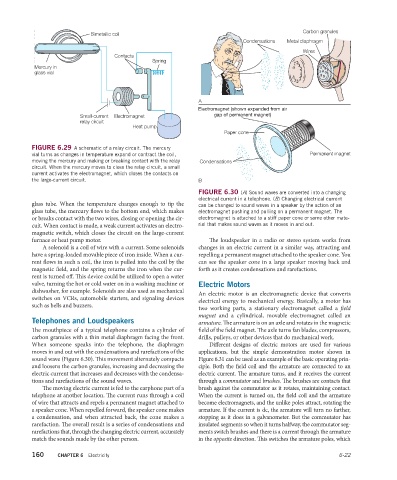
                   FIGURE 6.29  A schematic of a relay circuit. The mercury
                   vial turns as changes in temperature expand or contract the coil,                           Permanent magnet
                   moving the mercury and making or breaking contact with the relay   Condensations
                   circuit. When the mercury moves to close the relay circuit, a small
                   current activates the electromagnet, which closes the contacts on
                   the large-current circuit.                             B

                                                                          FIGURE 6.30 (A) Sound waves are converted into a changing
                                                                          electrical current in a telephone. (B) Changing electrical current
                   glass tube. When the temperature changes enough to tip the   can be changed to sound waves in a speaker by the action of an

                   glass tube, the mercury flows to the bottom end, which makes   electromagnet pushing and pulling on a permanent magnet. The
                   or breaks contact with the two wires, closing or opening the cir-  electromagnet is attached to a stiff paper cone or some other mate-
                   cuit. When contact is made, a weak current activates an electro-  rial that makes sound waves as it moves in and out.
                   magnetic switch, which closes the circuit on the large-current

                   furnace or heat pump motor.                               The loudspeaker in a radio or stereo system works from
                      A solenoid is a coil of wire with a current. Some solenoids   changes in an electric current in a similar way, attracting and
                   have a spring-loaded movable piece of iron inside. When a cur-  repelling a permanent magnet attached to the speaker cone. You
                   rent flows in such a coil, the iron is pulled into the coil by the   can see the speaker cone in a large speaker moving back and


                   magnetic field, and the spring returns the iron when the cur-  forth as it creates condensations and rarefactions.

                   rent is turned off . This device could be utilized to open a water
                   valve, turning the hot or cold water on in a washing machine or   Electric Motors
                   dishwasher, for example. Solenoids are also used as mechanical
                                                                          An electric motor is an electromagnetic device that converts
                   switches on VCRs, automobile starters, and signaling devices
                                                                          electrical energy to mechanical energy. Basically, a motor has
                   such as bells and buzzers.
                                                                          two working parts, a stationary electromagnet called a  fi eld
                                                                          magnet and a cylindrical, movable electromagnet called an
                   Telephones and Loudspeakers                            armature. The armature is on an axle and rotates in the magnetic


                   The mouthpiece of a typical telephone contains a cylinder of   field of the field magnet. The axle turns fan blades, compressors,

                   carbon granules with a thin metal diaphragm facing the front.   drills, pulleys, or other devices that do mechanical work.

                   When someone speaks into the telephone, the diaphragm     Different designs of electric motors are used for various
                   moves in and out with the condensations and rarefactions of the   applications, but the simple demonstration motor shown in
                   sound wave (Figure 6.30). This movement alternately compacts   Figure 6.31 can be used as an example of the basic operating prin-


                   and loosens the carbon granules, increasing and decreasing the   ciple. Both the field coil and the armature are connected to an

                   electric current that increases and decreases with the condensa-  electric current. The armature turns, and it receives the current

                   tions and rarefactions of the sound waves.             through a commutator and brushes. The brushes are contacts that

                      The moving electric current is fed to the earphone part of a   brush against the commutator as it rotates, maintaining contact.

                   telephone at another location. The current runs through a coil   When the current is turned on, the field coil and the armature

                   of wire that attracts and repels a permanent magnet attached to   become electromagnets, and the unlike poles attract, rotating the
                   a speaker cone. When repelled forward, the speaker cone makes   armature. If the current is dc, the armature will turn no farther,
                   a condensation, and when attracted back, the cone makes a   stopping as it does in a galvanometer. But the commutator has

                   rarefaction. The overall result is a series of condensations and   insulated segments so when it turns halfway, the commutator seg-
                   rarefactions that, through the changing electric current, accurately   ments switch brushes and there is a current through the armature
                   match the sounds made by the other person.             in the opposite direction. This switches the armature poles, which

                   160     CHAPTER 6 Electricity                                                                        6-22

