


Page 123 - The Netter Collection of Medical Illustrations - Integumentary System_ Volume 4 ( PDFDrive )
P. 123
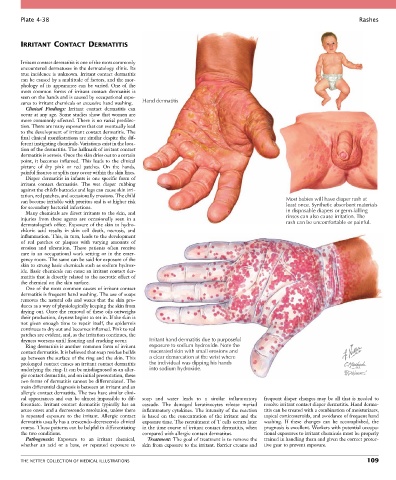
Plate 4-38                                                                                                           Rashes


        IRRITANT CONTACT DERMATITIS


        Irritant contact dermatitis is one of the most commonly
        encountered dermatoses in the dermatology clinic. Its
        true incidence is unknown. Irritant contact dermatitis
        can be caused by a multitude of factors, and the mor-
        phology  of  its  appearance  can  be  varied.  One  of  the
        most  common  forms  of  irritant  contact  dermatitis  is
        seen on the hands and is caused by occupational expo-
        sures to irritant chemicals or excessive hand washing.  Hand dermatitis
          Clinical  Findings:  Irritant  contact  dermatitis  can
        occur at any age. Some studies show that women are
        more commonly affected. There is no racial predilec-
        tion. There are many exposures that can eventually lead
        to the development of irritant contact dermatitis. The
        final clinical manifestations are similar despite the dif-
        ferent instigating chemicals. Variations exist in the loca-
        tion of the dermatitis. The hallmark of irritant contact
        dermatitis is xerosis. Once the skin dries out to a certain
        point,  it  becomes  inflamed.  This  leads  to  the  clinical
        picture  of  dry  pink  or  red  patches.  On  the  hands,
        painful fissures or splits may occur within the skin lines.
          Diaper dermatitis in infants is one specific form of
        irritant  contact  dermatitis.  The  wet  diaper  rubbing
        against the child’s buttocks and legs can cause skin irri-
        tation, red patches, and occasionally erosions. The child
        can become irritable with pruritus and is at higher risk                                    Most babies will have diaper rash at
        for secondary bacterial infections.                                                         least once. Synthetic absorbent materials
          Many chemicals are direct irritants to the skin, and                                      in disposable diapers or germ-killing
        injuries  from  these  agents  are  occasionally  seen  in  a                               rinses can also cause irritation. The
        dermatologist’s office. Exposure of the skin to hydro-                                      rash can be uncomfortable or painful.
        chloric  acid  results  in  skin  cell  death,  necrosis,  and
        inflammation. This, in turn, leads to the development
        of  red  patches  or  plaques  with  varying  amounts  of
        erosion  and  ulceration.  These  patients  often  receive
        care  in  an  occupational  work  setting  or  in  the  emer-
        gency room. The same can be said for exposure of the
        skin to strong basic chemicals such as sodium hydrox-
        ide. Basic chemicals can cause an irritant contact der-
        matitis that is directly related to the necrotic effect of
        the chemical on the skin surface.
          One of the most common causes of irritant contact
        dermatitis is frequent hand washing. The use of soaps
        removes the natural oils and waxes that the skin pro-
        duces as a way of physiologically keeping the skin from
        drying out. Once the removal of these oils outweighs
        their production, dryness begins to set in. If the skin is
        not  given  enough  time  to  repair  itself,  the  epidermis
        continues to dry out and becomes inflamed. Pink to red
        patches are evident, and, as the irritation continues, the
        dryness worsens until fissuring and cracking occur.  Irritant hand dermatitis due to purposeful
          Ring dermatitis is another common form of irritant   exposure to sodium hydroxide. Note the
        contact dermatitis. It is believed that soap residue builds   macerated skin with small erosions and
        up between the surface of the ring and the skin. This   a clear demarcation at the wrist where
        prolonged contact causes an irritant contact dermatitis   the individual was dipping his hands
        underlying the ring. It can be misdiagnosed as an aller-  into sodium hydroxide.
        gic contact dermatitis, and on initial presentation, these
        two forms of dermatitis cannot be differentiated. The
        main differential diagnosis is between an irritant and an
        allergic contact dermatitis. The two have similar clini-
        cal  appearances  and  can  be  almost  impossible  to  dif-  soap  and  water  leads  to  a  similar  inflammatory     frequent  diaper  changes  may  be  all  that  is  needed  to
        ferentiate.  Irritant  contact  dermatitis  typically  has  an   cascade.  The  damaged  keratinocytes  release  myriad     resolve irritant contact diaper dermatitis. Hand derma-
        acute onset and a decrescendo resolution, unless there   inflammatory cytokines. The intensity of the reaction   titis can be treated with a combination of moisturizers,
        is  repeated  exposure  to  the  irritant.  Allergic  contact   is  based  on  the  concentration  of  the  irritant  and  the   topical corticosteroids, and avoidance of frequent hand
        dermatitis usually has a crescendo-decrescendo clinical   exposure time. The recruitment of T cells occurs later   washing.  If  these  changes  can  be  accomplished,  the
        course. These patterns can be helpful in differentiating   in the time course of irritant contact dermatitis, when   prognosis is excellent. Workers with potential occupa-
        the two conditions.                       compared with allergic contact dermatitus.  tional exposures to irritant chemicals must be properly
          Pathogenesis:  Exposure  to  an  irritant  chemical,   Treatment: The goal of treatment is to remove the   trained in handling them and given the correct protec-
        whether  an  acid  or  a  base,  or  repeated  exposure  to     skin from exposure to the irritant. Barrier creams and   tive gear to prevent exposure.


        THE NETTER COLLECTION OF MEDICAL ILLUSTRATIONS                                                                          109

