


Page 84 - The Netter Collection of Medical Illustrations - Integumentary System_ Volume 4 ( PDFDrive )
P. 84
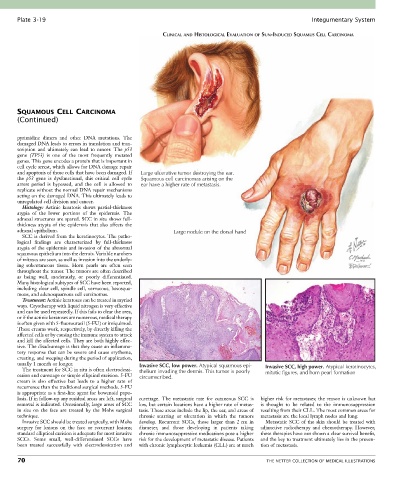
Plate 3-19                                                                                            Integumentary System

                                                         CLINICAL AND HISTOLOGICAL EVALUATION OF SUN-INDUCED SQUAMUS CELL CARCINOMA


       SQUAMOUS CELL CARCINOMA
       (Continued)


       pyrimidine  dimers  and  other  DNA  mutations.  The
       damaged DNA leads to errors in translation and tran-
       scription  and  ultimately  can  lead  to  cancer.  The  p53
       gene  (TP53)  is  one  of  the  most  frequently  mutated
       genes. This gene encodes a protein that is important in
       cell cycle arrest, which allows for DNA damage repair
       and apoptosis of those cells that have been damaged. If   Large ulcerative tumor destroying the ear.
       the  p53  gene  is  dysfunctional,  this  critical  cell  cycle   Squamous cell carcinomas arising on the
       arrest  period  is  bypassed,  and  the  cell  is  allowed  to   ear have a higher rate of metastasis.
       replicate without the normal DNA repair mechanisms
       acting on the damaged DNA. This ultimately leads to
       unregulated cell division and cancer.
         Histology:  Actinic  keratosis  shows  partial-thickness
       atypia  of  the  lower  portions  of  the  epidermis.  The
       adnexal structures are spared. SCC in situ shows full-
       thickness atypia of the epidermis that also affects the
       adnexal epithelium.                                   Large nodule on the dorsal hand
         SCC is derived from the keratinocytes. The patho-
       logical  findings  are  characterized  by  full-thickness
       atypia of the epidermis and invasion of the abnormal
       squamous epithelium into the dermis. Variable numbers
       of mitoses are seen, as well as invasion into the underly-
       ing  subcutaneous  tissue.  Horn  pearls  are  often  seen
       throughout the tumor. The tumors are often described
       as  being  well,  moderately,  or  poorly  differentiated.
       Many histological subtypes of SCC have been reported,
       including clear cell, spindle cell, verrucous, basosqua-
       mous, and adenosquamous cell carcinomas.
         Treatment: Actinic keratoses can be treated in myriad
       ways. Cryotherapy with liquid nitrogen is very effective
       and can be used repeatedly. If this fails to clear the area,
       or if the actinic keratoses are numerous, medical therapy
       is often given with 5-fluorouracil (5-FU) or imiquimod.
       These creams work, respectively, by directly killing the
       affected cells or by causing the immune system to attack
       and kill the affected cells. They are both highly effec-
       tive. The disadvantage is that they cause an inflamma-
       tory response that can be severe and cause erythema,
       crusting, and weeping during the period of application,
       usually 1 month or longer.                Invasive SCC, low power. Atypical squamous epi-  Invasive SCC, high power. Atypical keratinocytes,
         The treatment for SCC in situ is often electrodessi-  thelium invading the dermis. This tumor is poorly
       cation and curettage or simple elliptical excision. 5-FU   circumscribed.             mitotic figures, and horn pearl formation
       cream  is  also  effective  but  leads  to  a  higher  rate  of
       recurrence than the traditional surgical methods. 5-FU
       is appropriate as a first-line agent for bowenoid papu-
       losis. If in follow-up any residual areas are left, surgical   curettage.  The  metastatic  rate  for  cutaneous  SCC  is   higher risk for metastases; the reason is unknown but
       removal is indicated. Occasionally, large areas of SCC   low, but certain locations have a higher rate of metas-  is  thought  to  be  related  to  the  immunosuppression
       in  situ  on  the  face  are  treated  by  the  Mohs  surgical   tasis. These areas include the lip, the ear, and areas of   resulting from their CLL. The most common areas for
       technique.                                chronic  scarring  or  ulceration  in  which  the  tumors   metastasis are the local lymph nodes and lung.
         Invasive SCC should be treated surgically, with Mohs   develop.  Recurrent  SCCs,  those  larger  than  2 cm  in   Metastatic SCC of the skin should be treated with
       surgery  for  lesions  on  the  face  or  recurrent  lesions;   diameter,  and  those  developing  in  patients  taking   adjunctive  radiotherapy  and  chemotherapy.  However,
       standard elliptical excision is adequate for most invasive   chronic immunosuppressive medications pose a higher   these therapies have not shown a clear survival benefit,
       SCCs.  Some  small,  well-differentiated  SCCs  have     risk for the development of metastatic disease. Patients   and the key to treatment ultimately lies in the preven-
       been  treated  successfully  with  electrodessication  and   with chronic lymphocytic leukemia (CLL) are at much   tion of metastasis.

       70                                                                                    THE NETTER COLLECTION OF MEDICAL ILLUSTRATIONS

