


Page 2145 - Williams Hematology ( PDFDrive )
P. 2145
2120           Part XII:  Hemostasis and Thrombosis                                                                                                                       Chapter 123:  Hemophilia A and Hemophilia B            2121


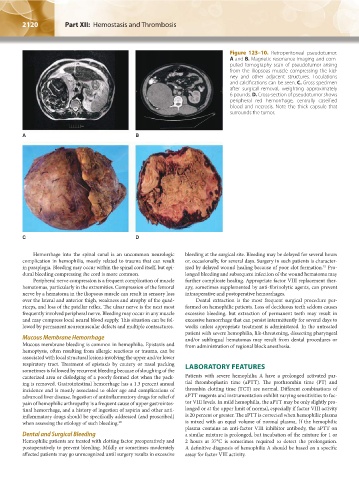
                                                                                     Figure 123–10.  Retroperitoneal pseudotumor.
                                                                                     A and B. Magnetic resonance imaging and com-
                                                                                     puted tomography scan of pseudotumor arising
                                                                                     from the iliopsoas muscle compressing the kid-
                                                                                     ney  and  other  adjacent  structures.  Loculations
                                                                                     and calcifications can be seen. C. Gross specimen
                                                                                     after surgical removal, weighting approximately
                                                                                     6 pounds. D. Cross-section of pseudotumor shows
                                                                                     peripheral red hemorrhage, centrally caseified
                                                                                     blood and necrosis. Note the thick capsule that
                                                                                     surrounds the tumor.


               A                                     B


               C                                     D


                   Hemorrhage  into  the  spinal  canal  is  an  uncommon  neurologic   bleeding at the surgical site. Bleeding may be delayed for several hours
               complication in hemophilia, mostly related to trauma that can result   or, occasionally, for several days. Surgery in such patients is character-
               in paraplegia. Bleeding may occur within the spinal cord itself, but epi-  ized by delayed wound healing because of poor clot formation.  Pro-
                                                                                                                    15
               dural bleeding compressing the cord is more common.    longed bleeding and subsequent infection of the wound hematoma may
                   Peripheral nerve compression is a frequent complication of muscle   further complicate healing. Appropriate factor VIII replacement ther-
               hematomas, particularly in the extremities. Compression of the femoral   apy, sometimes supplemented by anti-fibrinolytic agents, can prevent
               nerve by a hematoma in the iliopsoas muscle can result in sensory loss   intraoperative and postoperative hemorrhages.
               over the lateral and anterior thigh, weakness and atrophy of the quad-  Dental extraction is the most frequent surgical procedure per-
               riceps, and loss of the patellar reflex. The ulnar nerve is the next most   formed on hemophilic patients. Loss of deciduous teeth seldom causes
               frequently involved peripheral nerve. Bleeding may occur in any muscle   excessive bleeding, but extraction of permanent teeth may result in
               and may compress local neural blood supply. This situation can be fol-  excessive hemorrhage that can persist intermittently for several days to
               lowed by permanent neuromuscular defects and multiple contractures.  weeks unless appropriate treatment is administered. In the untreated
                                                                      patient with severe hemophilia, life-threatening, dissecting pharyngeal
               Mucous Membrane Hemorrhage                             and/or sublingual hematomas may result from dental procedures or
               Mucous membrane bleeding is common in hemophilia. Epistaxis and   from administration of regional block anesthesia.
               hemoptysis, often resulting from allergic reactions or trauma, can be
               associated with local structural lesions involving the upper and/or lower
               respiratory tract. Treatment of epistaxis by cautery or nasal packing   LABORATORY FEATURES
               sometimes is followed by recurrent bleeding because of sloughing of the
               cauterized area or dislodging of a poorly formed clot when the pack-  Patients with severe hemophilia A have a prolonged activated par-
               ing is removed. Gastrointestinal hemorrhage has a 1.3 percent annual   tial thromboplastin time (aPTT). The prothrombin time (PT) and
               incidence and is mostly associated to older age and complications of   thrombin clotting time (TCT) are normal. Different combinations of
               advanced liver disease. Ingestion of antiinflammatory drugs for relief of   aPTT reagents and instrumentation exhibit varying sensitivities to fac-
               pain of hemophilic arthropathy is a frequent cause of upper gastrointes-  tor VIII levels. In mild hemophilia, the aPTT may be only slightly pro-
               tinal hemorrhage, and a history of ingestion of aspirin and other anti-  longed or at the upper limit of normal, especially if factor VIII activity
               inflammatory drugs should be specifically addressed (and proscribed)   is 20 percent or greater. The aPTT is corrected when hemophilic plasma
               when assessing the etiology of such bleeding. 38       is mixed with an equal volume of normal plasma. If the hemophilic
                                                                      plasma contains an anti-factor VIII inhibitor antibody, the aPTT on
               Dental and Surgical Bleeding                           a similar mixture is prolonged, but incubation of the mixture for 1 or
               Hemophilic patients are treated with clotting factor preoperatively and   2 hours at 37°C is sometimes required to detect the prolongation.
               postoperatively to prevent bleeding. Mildly or sometimes moderately   A definitive diagnosis of hemophilia A should be based on a specific
               affected patients may go unrecognized until surgery results in excessive   assay for factor VIII activity.


          Kaushansky_chapter 123_p2113-2132.indd   2120                                                                 9/21/15   4:36 PM

