


Page 247 - Review of Medical Microbiology and Immunology ( PDFDrive )
P. 247
mebooksfree.com
mebooksfree.com
Yes mebooksfree.com
mebooksfree.com
mebooksfree.com
mebooksfree.com
mebooksfree.com mebooksfree.com Nucleus mebooksfree.com mebooksfree.com mebooksfree.com mebooksfree.com
236
PART III Basic Virology
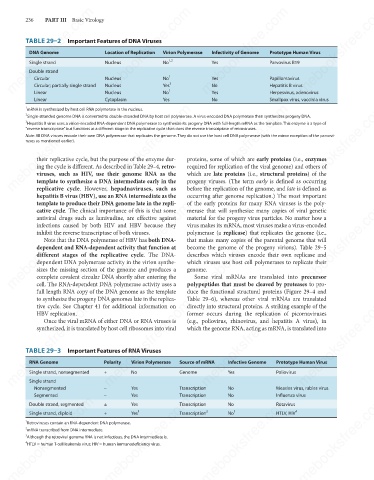
TABLE 29–2 Important Features of DNA Viruses
Prototype Human Virus
DNA Genome
Location of Replication
Virion Polymerase
Infectivity of Genome
1,2
Parvovirus B19
No
Yes
Single strand
Nucleus
Double strand
Circular
No
Circular; partially single strand
Yes
Nucleus
Hepatitis B virus
Herpesvirus, adenovirus
Linear
No
Yes
Smallpox virus, vaccinia virus
Cytoplasm
No
Linear Nucleus No 1 1 3 Yes Papillomavirus
mebooksfree.com
mebooksfree.com
mebooksfree.com mebooksfree.com mebooksfree.com proteins, some of which are early proteins (i.e., enzymes mebooksfree.com
1
mRNA is synthesized by host cell RNA polymerase in the nucleus.
2
Single-stranded genome DNA is converted to double-stranded DNA by host cell polymerase. A virus-encoded DNA polymerase then synthesizes progeny DNA.
3
Hepatitis B virus uses a virion-encoded RNA-dependent DNA polymerase to synthesize its progeny DNA with full-length mRNA as the template. This enzyme is a type of
“reverse transcriptase” but functions at a different stage in the replicative cycle than does the reverse transcriptase of retroviruses.
Note: All DNA viruses encode their own DNA polymerase that replicates the genome. They do not use the host cell DNA polymerase (with the minor exception of the parvovi-
ruses as mentioned earlier).
their replicative cycle, but the purpose of the enzyme dur-
required for replication of the viral genome) and others of
ing the cycle is different. As described in Table 29–4, retro-
viruses, such as HIV, use their genome RNA as the
template to synthesize a DNA intermediate early in the
progeny viruses. (The term early is defined as occurring
replicative cycle. However, hepadnaviruses, such as
before the replication of the genome, and late is defined as
hepatitis B virus (HBV), use an RNA intermediate as the which are late proteins (i.e., structural proteins) of the
occurring after genome replication.) The most important
of the early proteins for many RNA viruses is the poly-
template to produce their DNA genome late in the repli-
mebooksfree.com mebooksfree.com mebooksfree.com virus makes its mRNA, most viruses make a virus-encoded mebooksfree.com
mebooksfree.com
mebooksfree.com
merase that will synthesize many copies of viral genetic
cative cycle. The clinical importance of this is that some
material for the progeny virus particles. No matter how a
antiviral drugs such as lamivudine, are effective against
infections caused by both HIV and HBV because they
polymerase (a replicase) that replicates the genome (i.e.,
inhibit the reverse transcriptase of both viruses.
that makes many copies of the parental genome that will
Note that the DNA polymerase of HBV has both DNA-
become the genome of the progeny virions). Table 29–5
dependent and RNA-dependent activity that function at
different stages of the replicative cycle. The DNA-
describes which viruses encode their own replicase and
which viruses use host cell polymerases to replicate their
dependent DNA polymerase activity in the virion synthe-
sizes the missing section of the genome and produces a
complete covalent circular DNA shortly after entering the
Some viral mRNAs are translated into precursor
cell. The RNA-dependent DNA polymerase activity uses a
polypeptides that must be cleaved by proteases to pro-
duce the functional structural proteins (Figure 29–4 and
full length RNA copy of the DNA genome as the template genome.
Table 29–6), whereas other viral mRNAs are translated
to synthesize the progeny DNA genomes late in the replica-
mebooksfree.com
mebooksfree.com
mebooksfree.com
mebooksfree.com mebooksfree.com Polarity Virion Polymerase Source of mRNA Infective Genome Prototype Human Virus mebooksfree.com
directly into structural proteins. A striking example of the
tive cycle. See Chapter 41 for additional information on
HBV replication.
former occurs during the replication of picornaviruses
(e.g., poliovirus, rhinovirus, and hepatitis A virus), in
Once the viral mRNA of either DNA or RNA viruses is
synthesized, it is translated by host cell ribosomes into viral
which the genome RNA, acting as mRNA, is translated into
TABLE 29–3 Important Features of RNA Viruses
RNA Genome
Single strand, nonsegmented
Single strand
No
Measles virus, rabies virus
Transcription
Nonsegmented
Yes
-
Yes
Segmented + No 1 Genome 2 Yes 3 Poliovirus 4
No
-
Influenza virus
Transcription
mebooksfree.com mebooksfree.com mebooksfree.com mebooksfree.com mebooksfree.com mebooksfree.com
Double strand, segmented
No
Transcription
Yes
±
Rotavirus
HTLV, HIV
Transcription
Yes
+
Single strand, diploid
No
1
Retroviruses contain an RNA-dependent DNA polymerase.
2
mRNA transcribed from DNA intermediate.
3
Although the retroviral genome RNA is not infectious, the DNA intermediate is.
4
HTLV = human T-cell leukemia virus; HIV = human immunodeficiency virus.
mebooksfree.com mebooksfree.com mebooksfree.com mebooksfree.com mebooksfree.com mebooksfree.com

