


Page 319 - Textbook of Pathology, 6th Edition
P. 319
macrophages. These proteins include γ-globulin, C3, 303
haptoglobin, α -antitrypsin and fibrinogen. Elevation of
1
these proteins is responsible for raised ESR commonly
present in these patients.
MEGALOBLASTIC ANAEMIA
The megaloblastic anaemias are disorders caused by
impaired DNA synthesis and are characterised by a distinc-
tive abnormality in the haematopoietic precursors in the bone
marrow in which the maturation of the nucleus is delayed relative
to that of the cytoplasm. Since cell division is slow but
cytoplasmic development progresses normally, the nucleated
red cell precursors tend to be larger which Ehrlich in 1880
termed megaloblasts. Megaloblasts are both morphologically
and functionally abnormal with the result that the mature CHAPTER 12
red cells formed from them and released into the peripheral
blood are also abnormal in shape and size, the most
prominent abnormality being macrocytosis.
The underlying defect for the asynchronous maturation
of the nucleus is defective DNA synthesis due to deficiency
of vitamin B (cobalamin) and/or folic acid (folate). Less
12
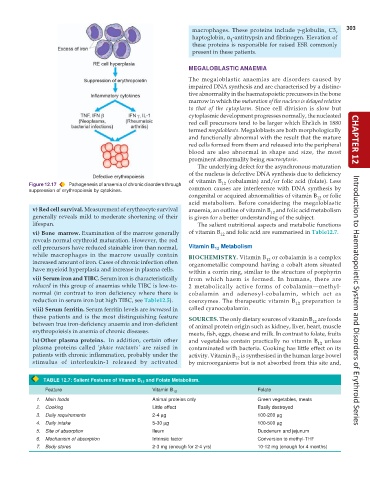
Figure 12.17 Pathogenesis of anaemia of chronic disorders through common causes are interference with DNA synthesis by
suppression of erythropoiesis by cytokines.
congenital or acquired abnormalities of vitamin B or folic
12
acid metabolism. Before considering the megaloblastic
v) Red cell survival. Measurement of erythrocyte survival anaemia, an outline of vitamin B and folic acid metabolism
12
generally reveals mild to moderate shortening of their is given for a better understanding of the subject.
lifespan. The salient nutritional aspects and metabolic functions
vi) Bone marrow. Examination of the marrow generally of vitamin B and folic acid are summarised in Table12.7.
12
reveals normal erythroid maturation. However, the red
cell precursors have reduced stainable iron than normal, Vitamin B Metabolism
12
while macrophages in the marrow usually contain BIOCHEMISTRY. Vitamin B or cobalamin is a complex
12
increased amount of iron. Cases of chronic infection often organometallic compound having a cobalt atom situated
have myeloid hyperplasia and increase in plasma cells. within a corrin ring, similar to the structure of porphyrin
vii) Serum iron and TIBC. Serum iron is characteristically from which haem is formed. In humans, there are
reduced in this group of anaemias while TIBC is low-to- 2 metabolically active forms of cobalamin—methyl-
normal (in contrast to iron deficiency where there is cobalamin and adenosyl-cobalamin, which act as
reduction in serum iron but high TIBC, see Table12.5). coenzymes. The therapeutic vitamin B preparation is Introduction to Haematopoietic System and Disorders of Erythroid Series
12
viii) Serum ferritin. Serum ferritin levels are increased in called cyanocobalamin.
these patients and is the most distinguishing feature SOURCES. The only dietary sources of vitamin B are foods
12
between true iron-deficiency anaemia and iron-deficient of animal protein origin such as kidney, liver, heart, muscle
erythropoieisis in anemia of chronic diseases. meats, fish, eggs, cheese and milk. In contrast to folate, fruits
ix)Other plasma proteins. In addition, certain other and vegetables contain practically no vitamin B unless
12
plasma proteins called ‘phase reactants’ are raised in contaminated with bacteria. Cooking has little effect on its
patients with chronic inflammation, probably under the activity. Vitamin B is synthesised in the human large bowel
12
stimulus of interleukin-1 released by activated by microorganisms but is not absorbed from this site and,
TABLE 12.7: Salient Features of Vitamin B 12 and Folate Metabolism.
Feature Vitamin B 12 Folate
1. Main foods Animal proteins only Green vegetables, meats
2. Cooking Little effect Easily destroyed
3. Daily requirements 2-4 μg 100-200 μg
4. Daily intake 5-30 μg 100-500 μg
5. Site of absorption Ileum Duodenum and jejunum
6. Mechanism of absorption Intrinsic factor Conversion to methyl-THF
7. Body stores 2-3 mg (enough for 2-4 yrs) 10-12 mg (enough for 4 months)

