


Page 839 - Textbook of Pathology, 6th Edition
P. 839
823
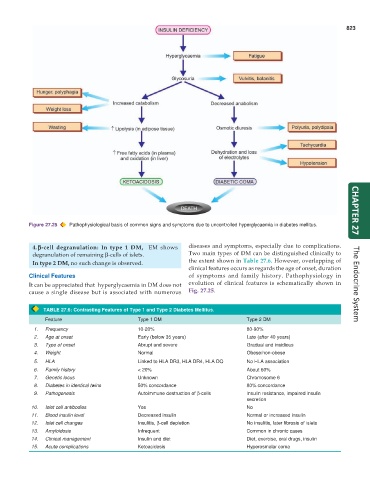
Figure 27.25 Pathophysiological basis of common signs and symptoms due to uncontrolled hyperglycaemia in diabetes mellitus. CHAPTER 27
4. ββ ββ β-cell degranulation: In type 1 DM, EM shows diseases and symptoms, especially due to complications.
degranulation of remaining β-cells of islets. Two main types of DM can be distinguished clinically to
In type 2 DM, no such change is observed. the extent shown in Table 27.6. However, overlapping of
clinical features occurs as regards the age of onset, duration
Clinical Features of symptoms and family history. Pathophysiology in
It can be appreciated that hyperglycaemia in DM does not evolution of clinical features is schematically shown in The Endocrine System
cause a single disease but is associated with numerous Fig. 27.25.
TABLE 27.6: Contrasting Features of Type 1 and Type 2 Diabetes Mellitus.
Feature Type 1 DM Type 2 DM
1. Frequency 10-20% 80-90%
2. Age at onset Early (below 35 years) Late (after 40 years)
3. Type of onset Abrupt and severe Gradual and insidious
4. Weight Normal Obese/non-obese
5. HLA Linked to HLA DR3, HLA DR4, HLA DQ No HLA association
6. Family history < 20% About 60%
7. Genetic locus Unknown Chromosome 6
8. Diabetes in identical twins 50% concordance 80% concordance
9. Pathogenesis Autoimmune destruction of β-cells Insulin resistance, impaired insulin
secretion
10. Islet cell antibodies Yes No
11. Blood insulin level Decreased insulin Normal or increased insulin
12. Islet cell changes Insulitis, β-cell depletion No insulitis, later fibrosis of islets
13. Amyloidosis Infrequent Common in chronic cases
14. Clinical management Insulin and diet Diet, exercise, oral drugs, insulin
15. Acute complications Ketoacidosis Hyperosmolar coma

