


Page 247 - The Netter Collection of Medical Illustrations - Integumentary System_ Volume 4 ( PDFDrive )
P. 247
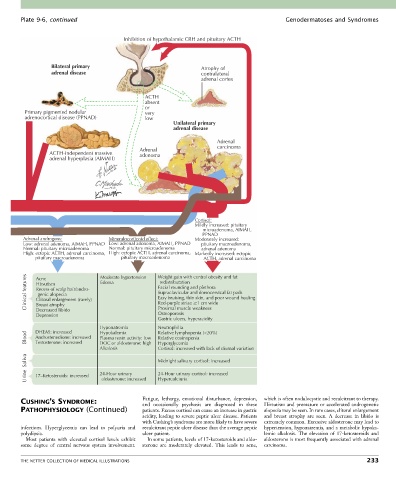
Plate 9-6, continued                                                                        Genodermatoses and Syndromes


                                            Inhibition of hypothalamic CRH and pituitary ACTH


                   Bilateral primary                                  Atrophy of
                   adrenal disease                                    contralateral
                                                                      adrenal cortex


                                                   ACTH
                                                   absent
                                                   or
          Primary pigmented nodular                very
          adrenocortical disease (PPNAD)           low
                                                             Unilateral primary
                                                             adrenal disease

                                                                            Adrenal
                                                                            carcinoma
                                                 Adrenal
                  ACTH-independent massive       adenoma
                  adrenal hyperplasia (AIMAH)


                                                                    Cortisol:
                                                                    Mildly increased: pituitary
                                                                          microadenoma, AIMAH,
                                                                       PPNAD
         Adrenal androgens:            Mineralocorticoid effect:    Moderately increased:
         Low: adrenal adenoma, AIMAH, PPNAD Low: adrenal adenoma, AIMAH, PPNAD  pituitary macroadenoma,
         Normal: pituitary microadenoma  Normal: pituitary microadenoma  adrenal adenoma
         High: ectopic ACTH, adrenal carcinoma, High: ectopic ACTH, adrenal carcinoma, Markedly increased: ectopic
             pituitary macroadenoma        pituitary macroadenoma      ACTH, adrenal carcinoma


          Clinical features  Acne   Moderate hypertension  Weight gain with central obesity and fat
                                                        redistributation
                                    Edema
             Hirsutism
                                                        Facial rounding and plethora
             Recess of scalp hair/andro-
                                                        Supraclavicular and dorsocervical fat pads
              genic alopecia
                                                        Easy bruising, thin skin, and poor wound healing
             Clitoral enlargement (rarely)
                                                        Red-purple striae  1 cm wide
             Breast atrophy
             Decreased libido
                                                        Osteoporosis
             Depression                                 Proximal muscle weakness
                                                        Gastric ulcers, hyperacidity
                                   Hyponatremia         Neutrophilia
             DHEAS: increased
                                   Hypokalemia
                                                        Relative lymphopenia (<20%)
          Blood  Androstenedione: increased  Plasma renin activity: low  Relative eosinopenia
             Testosterone: increased
                                                        Hyperglycemia
                                   DOC or aldosterone: high
                                   Alkalosis            Cortisol: increased with lack of diurnal variation
          Saliva                                        Midnight salivary cortisol: increased
          Urine  17–Ketosteroids: increased  24-Hour urinary  24-Hour urinary cortisol: increased
                                                        Hypercalciuria
                                    aldosterone: increased
        CUSHING’S SYNDROME:                       Fatigue,  lethargy,  emotional  disturbance,  depression,   which is often nodulocystic and recalcitrant to therapy.
                                                                                            Hirsutism and premature or accelerated androgenetic
                                                  and  occasionally  psychosis  are  diagnosed  in  these
        PATHOPHYSIOLOGY (Continued)               patients. Excess cortisol can cause an increase in gastric   alopecia may be seen. In rare cases, clitoral enlargement
                                                  acidity, leading to severe peptic ulcer disease. Patients   and  breast  atrophy  are  seen.  A  decrease  in  libido  is
                                                  with Cushing’s syndrome are more likely to have severe   extremely common. Excessive aldosterone may lead to
        infections.  Hyperglycemia  can  lead  to  polyuria  and   recalcitrant peptic ulcer disease than the average peptic   hypertension, hyponatremia, and a metabolic hypoka-
        polydipsia.                               ulcer patient.                            lemic  alkalosis.  The  elevation  of  17-ketosteroids  and
          Most  patients  with  elevated  cortisol  levels  exhibit   In some patients, levels of 17-ketosteroids and aldo-  aldosterone is most frequently associated with adrenal
        some  degree  of  central  nervous  system  involvement.   sterone  are  moderately  elevated.  This  leads  to  acne,   carcinoma.
        THE NETTER COLLECTION OF MEDICAL ILLUSTRATIONS                                                                          233

