


Page 91 - The Netter Collection of Medical Illustrations - Integumentary System_ Volume 4 ( PDFDrive )
P. 91
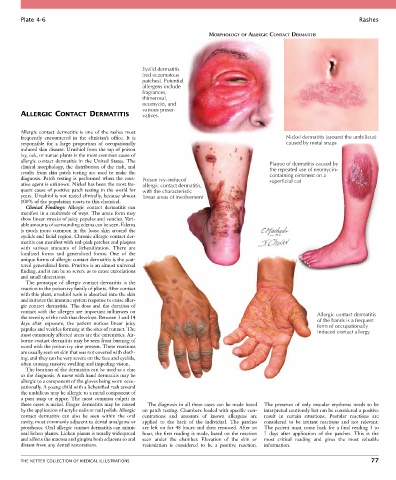
Plate 4-6                                                                                                            Rashes

                                                                         MORPHOLOGY OF ALLERGIC CONTACT DERMATITIS


                                                  Eyelid dermatitis
                                                  (red eczematous
                                                  patches). Potential
                                                  allergens include
                                                  fragrances,
                                                  thimerosal,
                                                  neomycin, and
                                                  various preser-
        ALLERGIC CONTACT DERMATITIS               vatives.


        Allergic  contact  dermatitis  is  one  of  the  rashes  most
        frequently  encountered  in  the  clinician’s  office.  It  is                              Nickel dermatitis (around the umbilicus)
        responsible  for  a  large  proportion  of  occupationally                                  caused by metal snaps
        induced skin disease. Urushiol from the sap of poison
        ivy, oak, or sumac plants is the most common cause of
        allergic  contact  dermatitis  in  the  United  States.  The                          Plaque of dermatitis caused by
        clinical morphology, the distribution of the rash, and                                the repeated use of neomycin-
        results  from  skin  patch  testing  are  used  to  make  the                         containing ointment on a
        diagnosis.  Patch  testing  is  performed  when  the  caus-  Poison ivy–induced       superficial cut
        ative agent is unknown. Nickel has been the most fre-  allergic contact dermatitis,
        quent cause of positive patch testing in the world for   with the characteristic
        years. Urushiol is not tested clinically, because almost   linear areas of involvement
        100% of the population reacts to this chemical.
          Clinical  Findings:  Allergic  contact  dermatitis  can
        manifest in a multitude of ways. The acute form may
        show linear streaks of juicy papules and vesicles. Vari-
        able amounts of surrounding edema can be seen. Edema
        is  much  more  common  in  the  loose  skin  around  the
        eyelids and facial region. Chronic allergic contact der-
        matitis can manifest with red-pink patches and plaques
        with  various  amounts  of  lichenification.  There  are
        localized  forms  and  generalized  forms.  One  of  the
        unique forms of allergic contact dermatitis is the scat-
        tered generalized form. Pruritus is an almost universal
        finding, and it can be so severe as to cause excoriations
        and small ulcerations.
          The  prototype  of  allergic  contact  dermatitis  is  the
        reaction to the poison ivy family of plants. After contact
        with this plant, urushiol resin is absorbed into the skin
        and initiates the immune system response to cause aller-
        gic  contact  dermatitis.  The  dose  and  the  duration  of
        contact with the allergen are important influences on                                                  Allergic contact dermatitis
        the severity of the rash that develops. Between 3 and 14                                               of the hands is a frequent
        days  after  exposure,  the  patient  notices  linear  juicy                                           form of occupationally
        papules and vesicles forming at the sites of contact. The                                              induced contact allergy
        most commonly affected areas are the extremities. Air-
        borne contact dermatitis may be seen from burning of
        wood with the poison ivy vine present. These reactions
        are usually seen on skin that was not covered with cloth-
        ing, and they can be very severe on the face and eyelids,
        often causing massive swelling and impeding vision.
          The location of the dermatitis can be used as a clue
        to the diagnosis. A nurse with hand dermatitis may be
        allergic to a component of the gloves being worn occu-
        pationally. A young child with a lichenified rash around
        the umbilicus may be allergic to a metal component of
        a  pant  snap  or  zipper.  The  most  common  culprit  in
        these cases is nickel. Finger dermatitis may be caused   The diagnosis in all these cases can be made based   The  presence  of  only  macular  erythema  needs  to  be
        by the application of acrylic nails or nail polish. Allergic   on patch testing. Chambers loaded with specific con-  interpreted cautiously but can be considered a positive
        contact  dermatitis  can  also  be  seen  within  the  oral   centrations  and  amounts  of  known  allergens  are   result  in  certain  situations.  Pustular  reactions  are
        cavity, most commonly adjacent to dental amalgams or   applied  to  the  back  of  the  individual.  The  patches   considered  to  be  irritant  reactions  and  not  relevant.
        prostheses. Oral allergic contact dermatitis can mimic   are  left  on  for  48  hours  and  then  removed.  After  an   The  patient  must  come  back  for  a  final  reading  3  to
        oral lichen planus. Lichen planus is usually widespread   hour, the first reading is made, based on the reaction   7  days  after  application  of  the  patches.  This  is  the
        and affects the mucosa and gingiva both adjacent to and   seen  under  the  chamber.  Elevation  of  the  skin  or   most  critical  reading  and  gives  the  most  valuable
        distant from any dental restorations.     vesiculation  is  considered  to  be  a  positive  reaction.   information.


        THE NETTER COLLECTION OF MEDICAL ILLUSTRATIONS                                                                           77

