


Page 384 - Clinical Application of Mechanical Ventilation
P. 384
350    Chapter 11


                                            high  flow  demands,  and  example  b  suggests  a  need  for  increasing  the  V .  In
                                                                                                             T
                                            Figures 11-28 and 11-29, signs of respiratory distress would probably result unless
                                            the patient is being sedated.

                                            Changes in Pressure Waveforms during
                                            Respiratory Mechanics Measurement


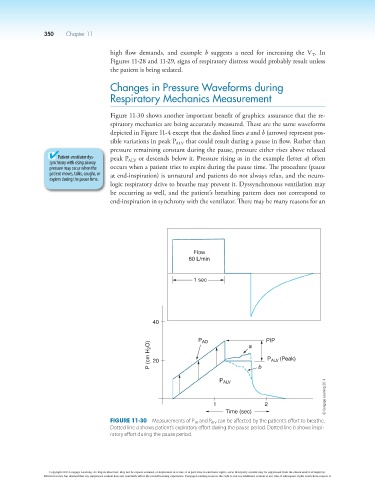
                                            Figure 11-30 shows another important benefit of graphics: assurance that the re-
                                            spiratory mechanics are being accurately measured. These are the same waveforms
                                            depicted in Figure 11-4 except that the dashed lines a and b (arrows) represent pos-
                                            sible variations in peak P ALV  that could result during a pause in flow. Rather than
                                            pressure remaining constant during the pause, pressure either rises above relaxed
                          Patient-ventilator dys-  peak P   or descends below it. Pressure rising as in the example (letter a) often
                        synchrony with rising airway   ALV
                        pressure may occur when the   occurs when a patient tries to expire during the pause time. The procedure (pause
                        patient moves, talks, coughs, or   at end-inspiration) is unnatural and patients do not always relax, and the neuro-
                        expires during the pause time.
                                            logic respiratory drive to breathe may prevent it. Dyssynchronous ventilation may
                                            be occurring as well, and the patient’s breathing pattern does not correspond to
                                            end-inspiration in synchrony with the ventilator. There may be many reasons for an


                                                                       Flow
                                                                     60 L/min


                                                                       1 sec


                                                         40


                                                                        P AO             a    PIP
                                                        P (cm H 2 O)  20                    b  P ALV  (Peak)


                                                                               P ALV
                                                                                                                  © Cengage Learning 2014


                                                                             1                2
                                                                                 Time (sec)
                                            Figure 11-30  Measurements of P TA  and P ALV  can be affected by the patient’s effort to breathe.
                                            Dotted line a shows patient’s expiratory effort during the pause period. Dotted line b shows inspi-
                                            ratory effort during the pause period.


                        Copyright 2013 Cengage Learning. All Rights Reserved. May not be copied, scanned, or duplicated, in whole or in part. Due to electronic rights, some third party content may be suppressed from the eBook and/or eChapter(s).
                      Editorial review has deemed that any suppressed content does not materially affect the overall learning experience. Cengage Learning reserves the right to remove additional content at any time if subsequent rights restrictions require it.

