


Page 697 - Textbook of Pathology, 6th Edition
P. 697
681
TABLE 22.12. Contrasting Features of Ischaemic and Toxic ATN.
Feature Ischaemic ATN Toxic ATN
1. Synonyms Tubulorrhectic ATN, lower (distal) nephron Nephrotoxic ATN, upper (proximal) nephron
nephrosis, anoxic nephrosis, shock kidney nephrosis, toxic ATN
2. Frequency More common (80% cases) Less common
3. Major etiologies Shock, crush injuries, mismatched blood Poisons, heavy metals, certain drugs
transfusion
4. G/A Kidneys enlarged, swollen, cut section Similar to ischaemic ATN
cortex pale, medulla dark
5. M/E i) Distal tubular damage more prominent i) Proximal tubular damage more prominent
ii) Focal tubular necrosis ii) More diffuse tubular injury
iii) Regenerating epithelium iii) Regenerating epithelium
iv) Casts: Hyaline, pigment, myoglobin iv) Tubular lumina may contained dystrophic
calcification
v) Basement membrane disrupted v) Basement membrane generally intact
6. Prognosis Worse Good
ETIOPATHOGENESIS. Most cases of acute pyelonephritis diabetes mellitus, pregnancy, urinary tract obstruction or
follow infection of the lower urinary tract. The most instrumentation. Bacteria multiply in the urinary bladder and
common pathogenic organism in urinary tract infection produce asymptomatic bacteriuria found in many of these
(UTI) is Escherichia coli (in 90% of cases), followed in cases. After having caused urethritis and cystitis, the bacteria
decreasing frequency, by Enterobacter, Klebsiella, in susceptible cases ascend further up into the ureters against
Pseudomonas and Proteus. The bacteria gain entry into the the flow of urine, extend into the renal pelvis and then the
urinary tract, and thence into the kidney by one of the two renal cortex. The role of vesico-ureteral reflux is not of a great CHAPTER 22
routes: ascending infection and haematogenous infection significance in the pathogenesis of acute chronic pyelo-
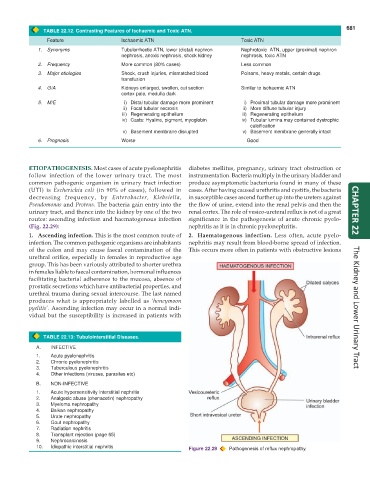
(Fig. 22.29): nephritis as it is in chronic pyelonephritis.
1. Ascending infection. This is the most common route of 2. Haematogenous infection. Less often, acute pyelo-
infection. The common pathogenic organisms are inhabitants nephritis may result from blood-borne spread of infection.
of the colon and may cause faecal contamination of the This occurs more often in patients with obstructive lesions
urethral orifice, especially in females in reproductive age
group. This has been variously attributed to shorter urethra
in females liable to faecal contamination, hormonal influences
facilitating bacterial adherence to the mucosa, absence of
prostatic secretions which have antibacterial properties, and
urethral trauma during sexual intercourse. The last named
produces what is appropriately labelled as ‘honeymoon
pyelitis’. Ascending infection may occur in a normal indi- The Kidney and Lower Urinary Tract
vidual but the susceptibility is increased in patients with
TABLE 22.13: Tubulointerstitial Diseases.
A. INFECTIVE
1. Acute pyelonephritis
2. Chronic pyelonephritis
3. Tuberculous pyelonephritis
4. Other infections (viruses, parasites etc)
B. NON-INFECTIVE
1. Acute hypersensitivity interstitial nephritis
2. Analgesic abuse (phenacetin) nephropathy
3. Myeloma nephropathy
4. Balkan nephropathy
5. Urate nephropathy
6. Gout nephropathy
7. Radiation nephritis
8. Transplant rejection (page 65)
9. Nephrocalcinosis
10. Idiopathic interstitial nephritis Figure 22.29 Pathogenesis of reflux nephropathy.

