


Page 705 - Textbook of Pathology, 6th Edition
P. 705
689
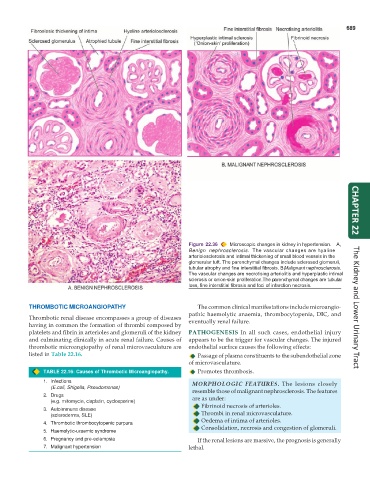
Figure 22.36 Microscopic changes in kidney in hypertension. A, CHAPTER 22
Benign nephrosclerosis. The vascular changes are hyaline
arteriolosclerosis and intimal thickening of small blood vessels in the
glomerular tuft. The parenchymal changes include sclerosed glomeruli,
tubular atrophy and fine interstitial fibrosis. B, Malignant nephrosclerosis.
The vascular changes are necrotising arteriolitis and hyperplastic intimal
sclerosis or onion-skin proliferation. The parenchymal changes are tubular
loss, fine interstitial fibrosis and foci of infarction necrosis.
THROMBOTIC MICROANGIOPATHY The common clinical manifestations include microangio- The Kidney and Lower Urinary Tract
pathic haemolytic anaemia, thrombocytopenia, DIC, and
Thrombotic renal disease encompasses a group of diseases eventually renal failure.
having in common the formation of thrombi composed by
platelets and fibrin in arterioles and glomeruli of the kidney PATHOGENESIS In all such cases, endothelial injury
and culminating clinically in acute renal failure. Causes of appears to be the trigger for vascular changes. The injured
thrombotic microangiopathy of renal microvasculature are endothelial surface causes the following effects:
listed in Table 22.16. Passage of plasma constituents to the subendothelial zone
of microvasculature.
TABLE 22.16: Causes of Thrombotic Microangiopathy. Promotes thrombosis.
1. Infections MORPHOLOGIC FEATURES. The lesions closely
(E.coli, Shigella, Pseudomonas) resemble those of malignant nephrosclerosis. The features
2. Drugs are as under:
(e.g. mitomycin, cisplatin, cyclosporine)
3. Autoimmune disease Fibrinoid necrosis of arterioles.
(scleroderma, SLE) Thrombi in renal microvasculature.
4. Thrombotic thrombocytopenic purpura Oedema of intima of arterioles.
5. Haemolytic-uraemic syndrome Consolidation, necrosis and congestion of glomeruli.
6. Pregnancy and pre-eclampsia If the renal lesions are massive, the prognosis is generally
7. Malignant hypertension lethal.

